How to Color Mushrooms and Toadstools: The Cap-First Method
There’s a specific disappointment every colorist knows: the mushroom page that was supposed to be the coziest thing in the book comes out flat. The caps read like gray blobs, the gills smear into mud, and the red fly agaric looks painted on instead of grown. After a season of cottagecore pages, I can tell … Read more
Coloring Gingerbread and Baked Goods: The Crumb Method

Every December, someone colors a gingerbread house that comes out the color of a cardboard box. It is not a talent problem — it is a one-brown problem. Real gingerbread is never one brown: the flat faces bake lighter, the puffed seams and roof joints bake darker, and the whole surface carries a speckle of … Read more

The Weave-First Method for Knit Sweaters and Cozy Fabric

How to Color Knit Sweaters and Cozy Fabric with Colored Pencils: The Weave-First Method

Knit fabric is the most common thing in fall and holiday coloring books — and the most commonly flattened. You pick a nice warm beige, color the whole sweater in, maybe add some darker lines along the pattern, and step back to find a brown rectangle with stripes. It reads as cloth, not yarn. The … Read more

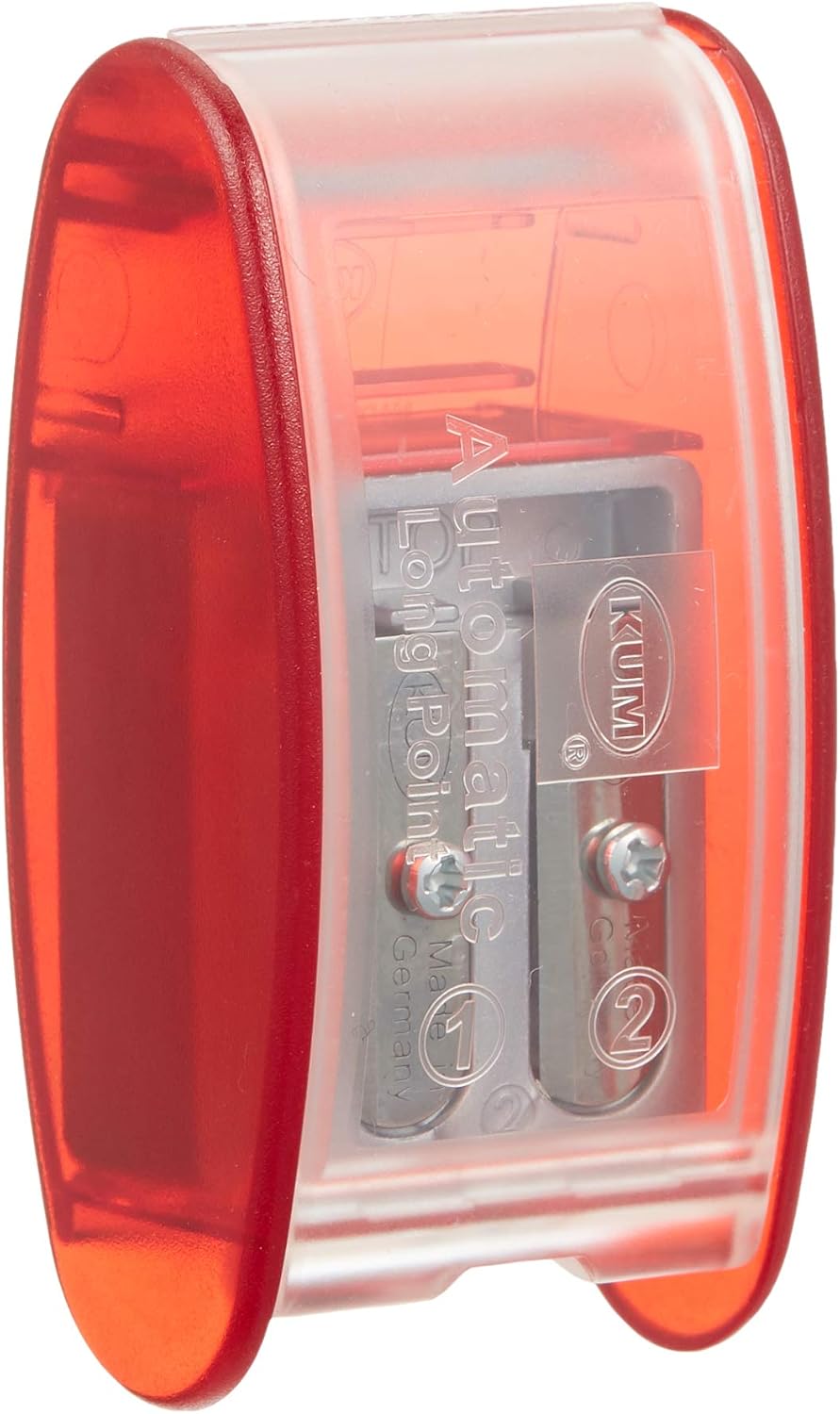
Sharpeners That Do Not Crack Colored Pencil Cores: The Two-Step Method

Sharpeners That Do Not Crack Colored Pencil Cores: The Two-Step Method

You sharpen a pencil, and somewhere in the twist a faint tick travels up the barrel — that is the sound of a colored pencil core starting to crack. You will not see the damage until three layers deep, when the core drops out of the wood casing mid-stroke and your page gets a scar … Read more

Gemstones and Crystals: The Light-First Method

How to Color Gemstones and Crystals with Colored Pencils: The Light-First Method

Every colorist eventually hits the page that humbles them: a gemstone study that looks like muddy gravel instead of a jewel. The problem is almost never the pencils. Gems are one of the few subjects where the paper does half the work, because the entire look of a gemstone — that glassy depth, the facets … Read more

Fire and Candlelight: The Glow-First Method

How to Color Fire and Candlelight with Colored Pencils: The Glow-First Method

Fire is the most forgiving subject in colored pencil — and the most commonly muddied. The mistake is always the same: color the flame orange, color the background dark, done. A real flame is a light source, which means everything else in the page borrows its glow. When you treat fire as a lamp instead … Read more

How to Color Water and Reflections

How to Color Water and Reflections with Colored Pencils

Every colorist eventually tries to paint water and gets a blue smear that looks like a swimming pool. Here is why that happens: water is transparent, so what you are actually drawing is not water — it’s what water does to the things around it. It darkens what’s underneath, mirrors what’s above, breaks both into … Read more

Smooth Gradients: Pressure, Direction, and the Two-Pencil Method

How to Color Smooth Gradients with Colored Pencils: Pressure, Direction, and the Two-Pencil Method

Flat color killed more of my early pages than wrong paper ever did. You pick the right blues for a sky, lay them down with patient strokes — and the result is a flat, plasticky band of color that looks like it came out of a marker, not a pencil. The problem is never the … Read more

Picking Paper That Grabs Pigment: Tooth, Weight, and 3 Pads Worth Buying

How to Pick Colored Pencil Paper That Grabs Pigment: Tooth, Weight, and 3 Pads Worth Buying

If you have ever layered a rich sienna over a light peach, watched it go down beautifully for about three passes, and then had the paper simply refuse to take any more pigment, you have met the paper ceiling. Nothing is wrong with your pencils or your technique — your paper ran out of tooth. … Read more

How to Fix Mistakes with Colored Pencils: A Practical Guide

How to Fix Mistakes with Colored Pencils: A Practical Guide

Six hours into a page. The petals are shaded, the background is blended, and then your hand drags a rust-orange line straight across the white margin. Every colorist knows the stomach drop that follows. The panic move — scrubbing at it with whatever hard eraser is nearest — is usually what actually ruins the page, … Read more