This article contains affiliate links. We may earn a commission from qualifying purchases.
Some content on this site is AI-assisted and reviewed by our editorial team.
Every December, someone colors a gingerbread house that comes out the color of a cardboard box. It is not a talent problem — it is a one-brown problem. Real gingerbread is never one brown: the flat faces bake lighter, the puffed seams and roof joints bake darker, and the whole surface carries a speckle of crumbs and sugar that breaks up the color. Colorists who grab a single brown and fill the shape are skipping the three things that make baked goods read as baked: a warm shadow trio, reserved icing white, and crumbs lifted back out of the mid-tones.
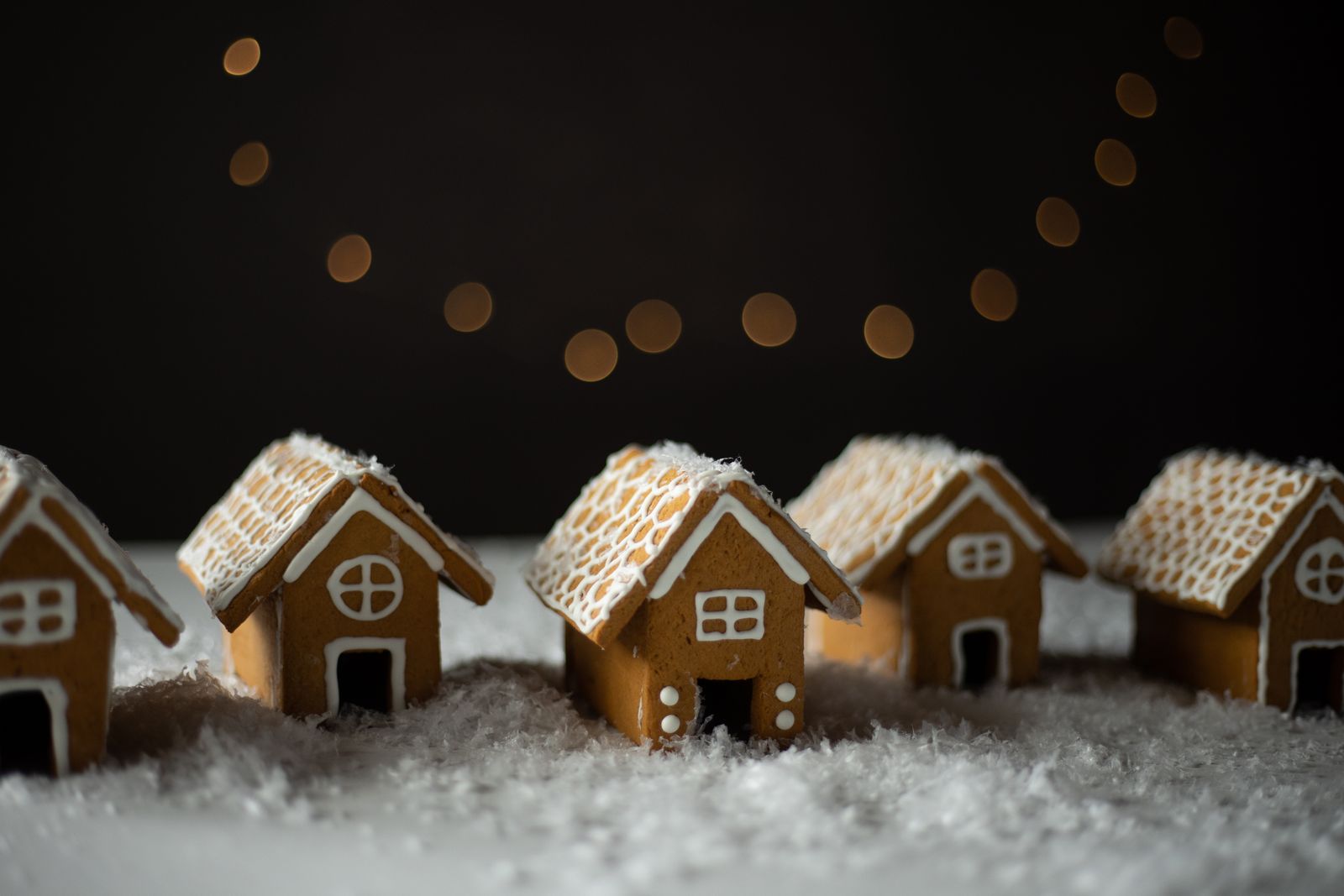
This works for cookies, houses, cinnamon buns — anything from an oven. The crumbs are lifted back out of the page, not drawn on top.
Step 1 — Build the Warm-Shadow Trio Before You Touch the Page
Gingerbread needs three warm colors, not one: a mid tan for the baked face (goldenrod or a light sienna), a warm reddish-brown for the general shadow, and a deep chestnut for crevices and seams. Test them side by side on scrap paper first — the trio should look like three stages of the same cookie darkening, not three unrelated browns. If your set only has two browns, let the lighter one do the face and press harder with it for shadow; a two-brown gingerbread beats a muddled five-brown one.
Step 2 — Lay the Face in Two Layers, Not One
Fill the flat faces with the mid tan at light pressure — barely tinting the paper’s tooth. Then go back over everything EXCEPT the puffed seams with the second brown at the same light pressure. The seams of a gingerbread house are where dough bulges and bakes darker: roof joints, wall edges, the bases of chimneys. Leaving those lighter in the first pass is what gives you somewhere to go.
Step 3 — The Crumb Lift, Which Is the Whole Method
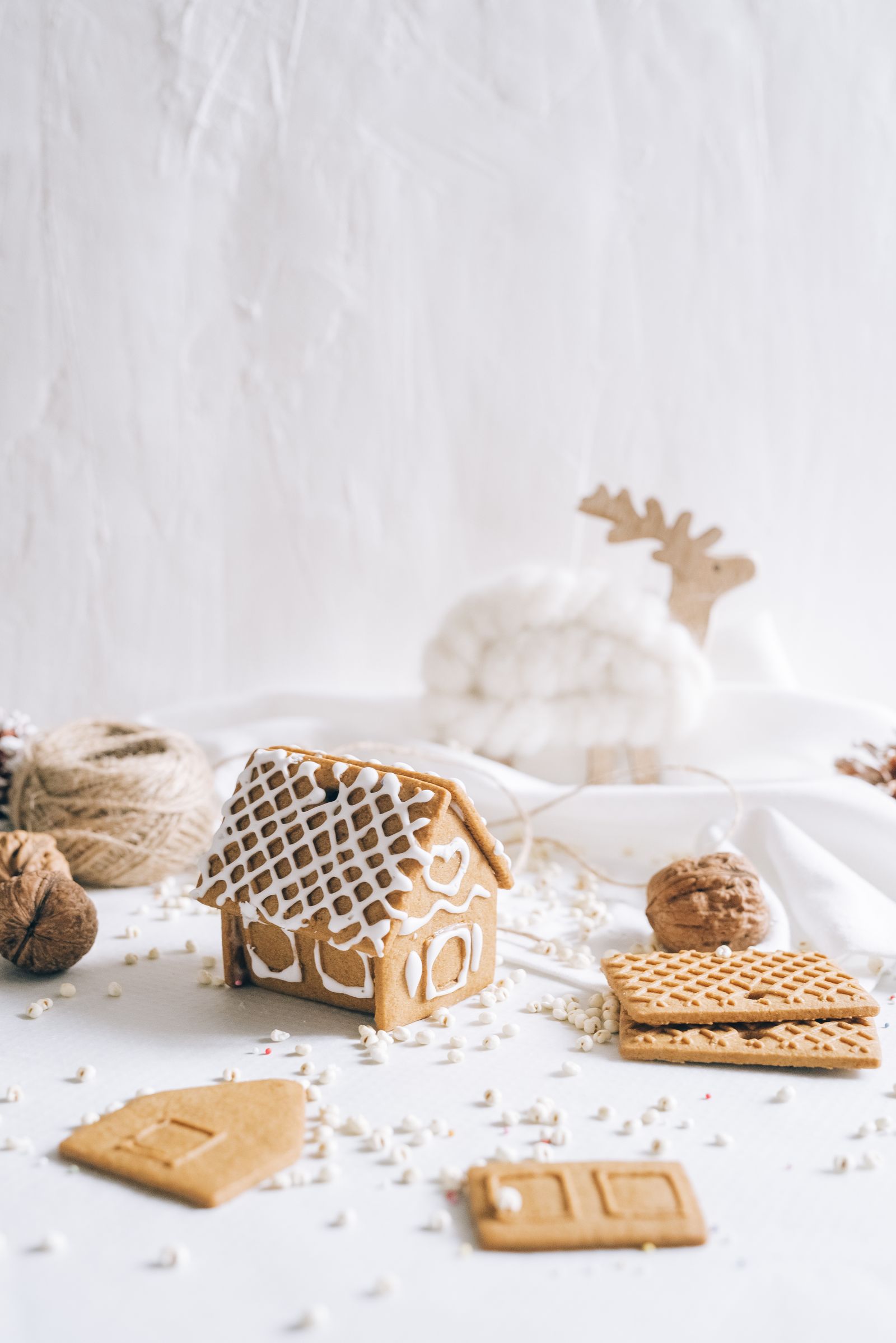
Here is the part most tutorials skip: real baked surfaces are speckled, not smooth. After your two layers, take a precision eraser — I use a Tombow Mono Zero, the 2.3mm round tip, about $6 — and dot tiny crumbs of pigment back off the surface at irregular spacing. Press, twist slightly, lift. Vary the size: some specks barely visible, a few bold ones near the edges where a real cookie cracks.
Step 4 — Icing Is Reserved White, Not Colored White
Icing reads as icing because it is brighter than everything around it. The strongest way to get that is to not color it at all in step 2 — work around the icing areas completely, letting the paper’s white sit untouched. Then, if your book’s printing shades the icing gray, bring it back: a few strokes with a white gel pen over the reserved areas (the Uni-ball Signo broad, about $6 for a 3-pack, is the standard for this) restores the pop. One clean pass, no scrubbing, and leave the icing edges crisp — icing is defined by its edges more than its surface.
Step 5 — Sugar and Sprinkles: Dots, Not Confetti
Sprinkles are tiny cylinders, not dots of random color — and the ones that read best are the four or five you place deliberately, not the twenty you scatter. Lift a speck with the Mono Zero, dot it with the Signo if it catches light, and leave most of the surface quiet. On heavy spangle pages, less is more; a gingerbread roof with three believable sprinkles beats one with thirty blobs.
Common Mistakes
One brown, pressed hard. The cardboard-box look. If your gingerbread is one color, it is not a color choice — it is a missing trio.
Shading icing like fabric. Icing takes a shadow line at its edge, not gradients across its face. When in doubt, leave icing flat.
Skipping the crumb lift. The eraser is not optional equipment on baked goods — it is the main tool of the method.
Cool shadows on warm subjects. Gingerbread shadow goes warmer and redder, never toward gray or blue. A cool shadow makes cookie dough look like slate.
The Supplies I Use for the Crumb Method
Prismacolor Premier Soft Core 72 — The Brown Range You Need
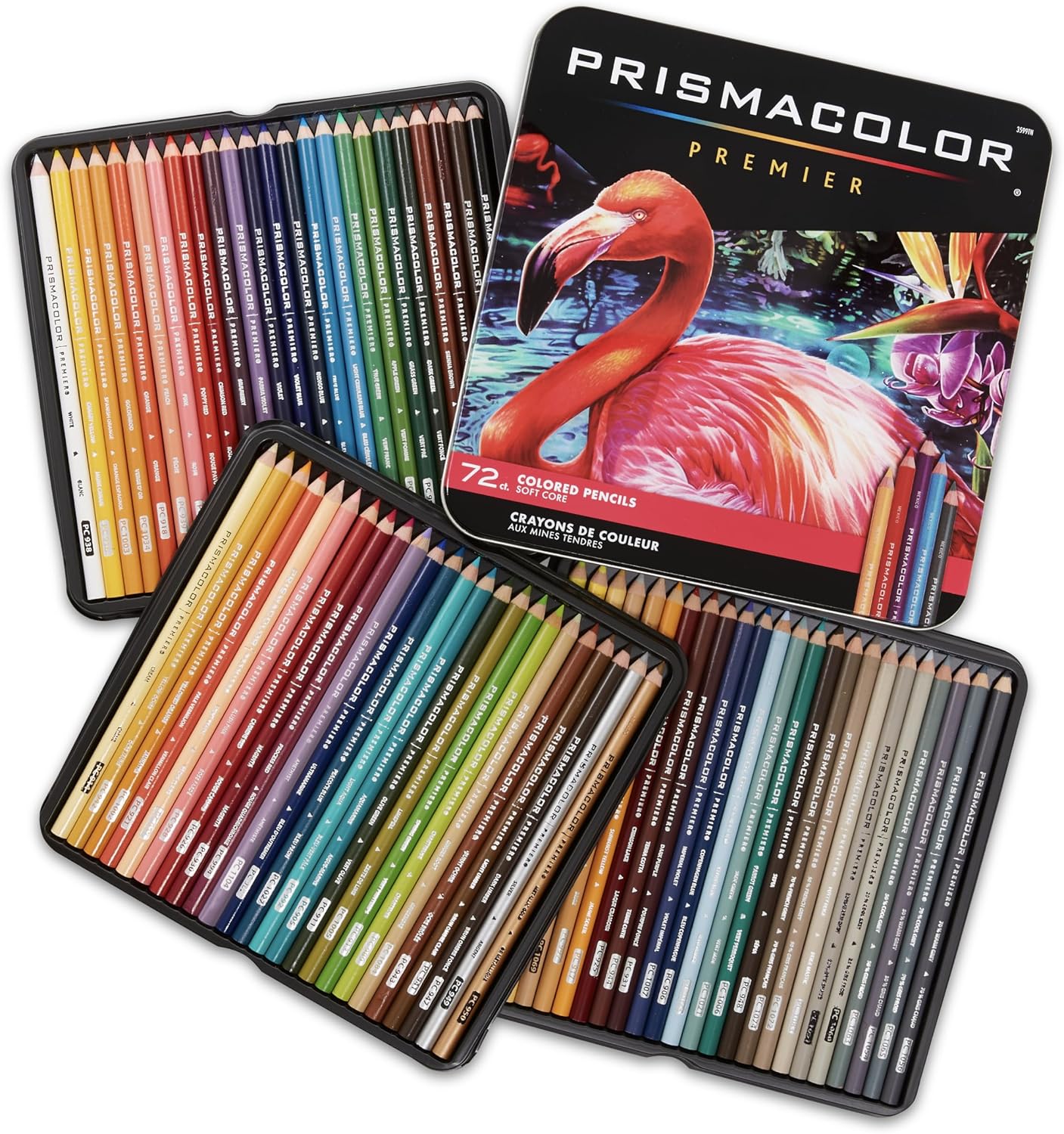
The Prismacolor Premier 72-count (about $74 tonight) is the set that pays for itself in browns alone — it carries the full sienna-to-chestnut spread gingerbread demands.
Soft wax cores are what make step 2 work: at light pressure they tint without filling the paper’s tooth, which is exactly what you need to lift crumbs back out later.
Con: the soft cores blunt fast on speckle work, and wax bloom can appear if you layer heavy — this is a two-light-layers method, so use it that way.
My take: The full warm range in one tin — buy it if baked goods, fur, or wood grain are regular subjects for you.
Arteza 48-Count — Budget Browns That Layer
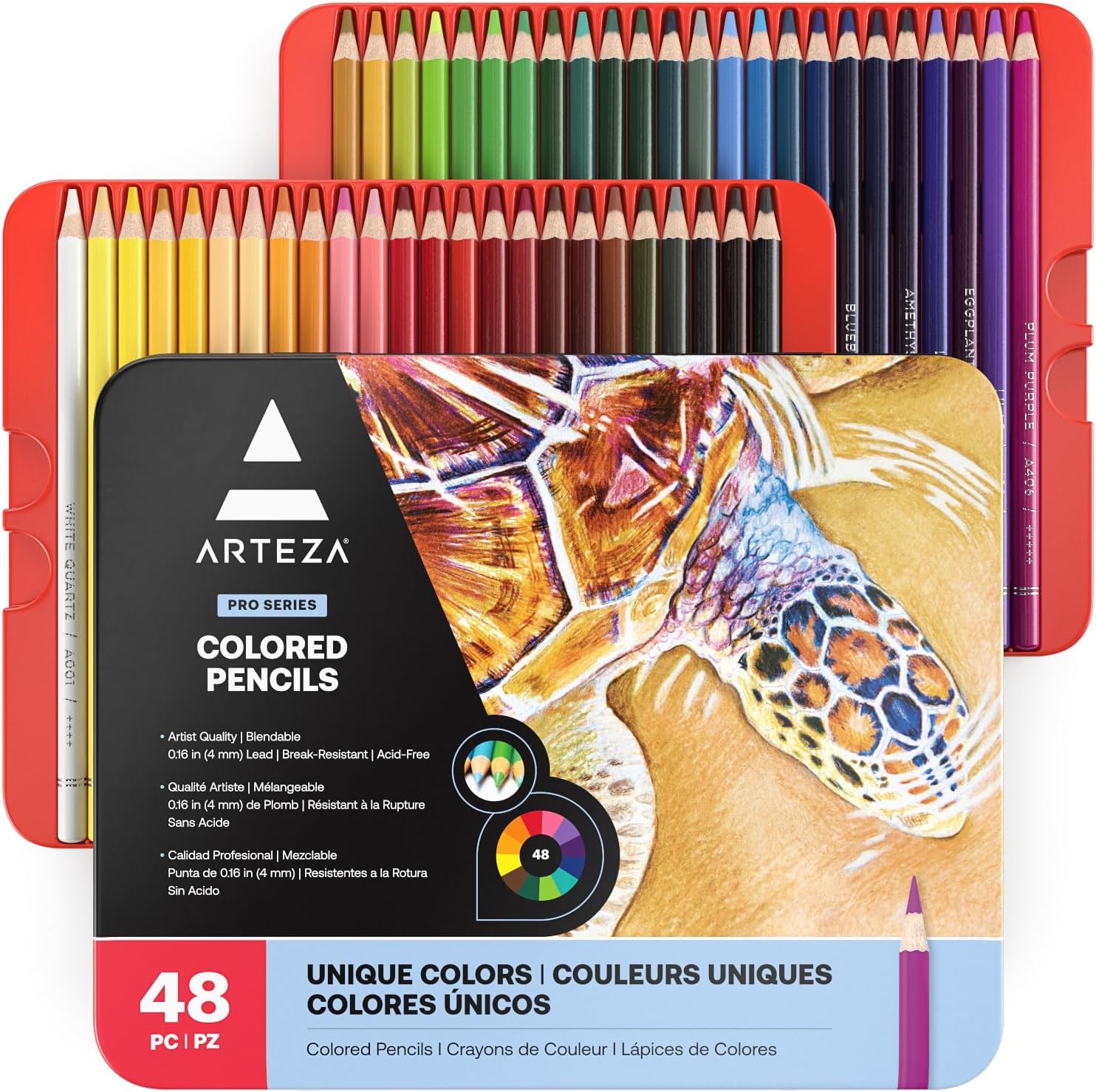
The Arteza 48-count tin ran about $15 tonight, and its warm range is workable enough to do this whole method honestly.
The honest tradeoff is layer count: Arteza’s harder cores need about four passes where Prismacolor needs two. On gingerbread that is fine — the speckle step actually benefits from a slightly harder core, and the crumb lift comes up cleaner off a lightly-burnished surface.
Cons: the tin’s brown range is narrower (you may miss the deep chestnut and mix it by layering), and color matching across sheets takes a swatch page.
My take: The under-$20 answer if gingerbread season is your project, not your lifestyle.
Uni-ball Signo Broad — Icing Highlights
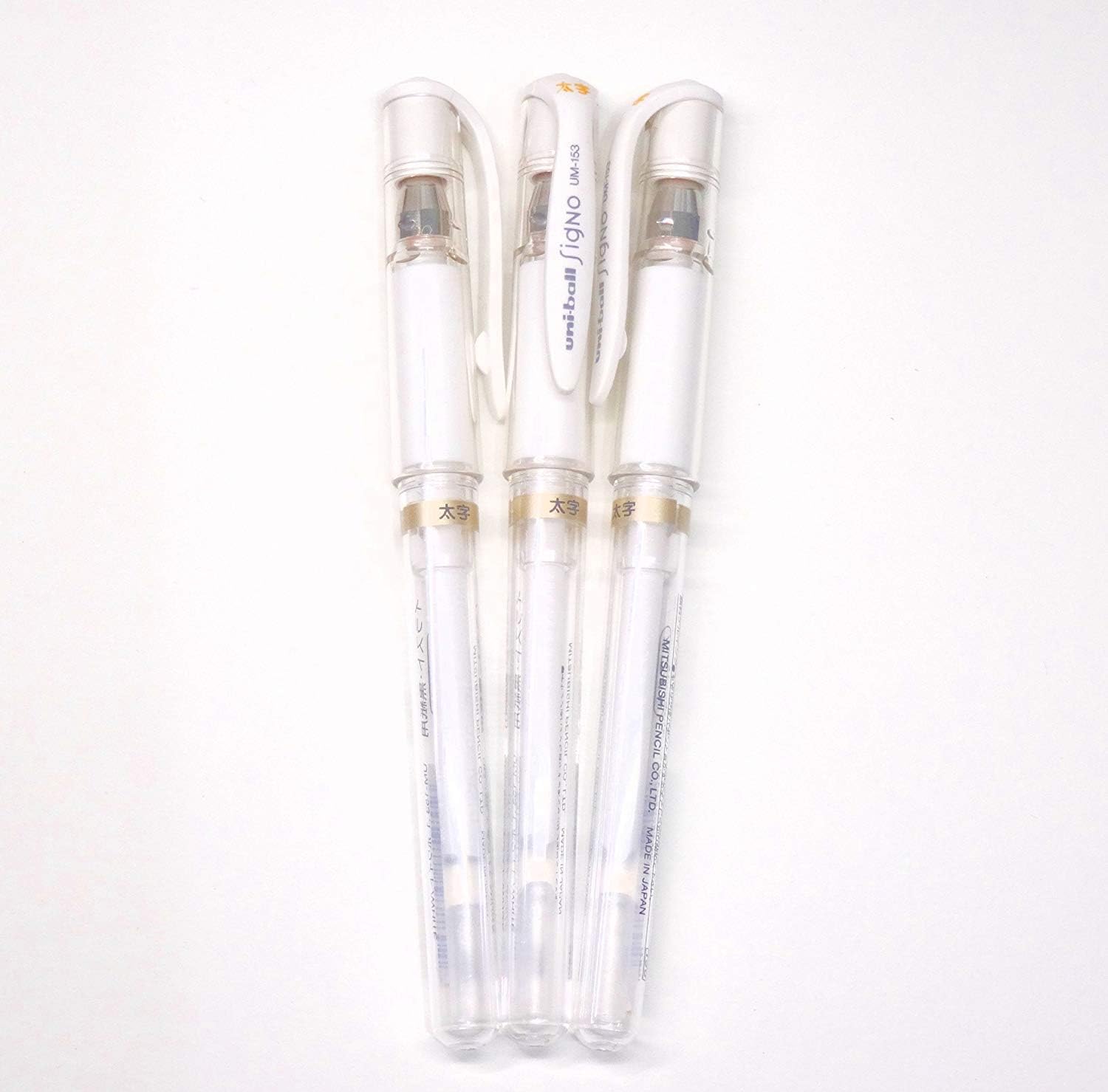
The Uni-ball Signo broad white gel pen (about $6 for a 3-pack) is the single tool that makes icing read as icing.
The broad 0.8mm point puts down a wet, opaque white that sits on top of pencil work — exactly what icing does on a cookie.
Con: it skips over heavy wax bloom, so test on scrap if your page is burnished; on slick cardstock it can take a second to dry.
My take: Six dollars that do more for baked goods than any expensive pencil — the icing pen.
Tombow Mono Zero — The Crumb Tool
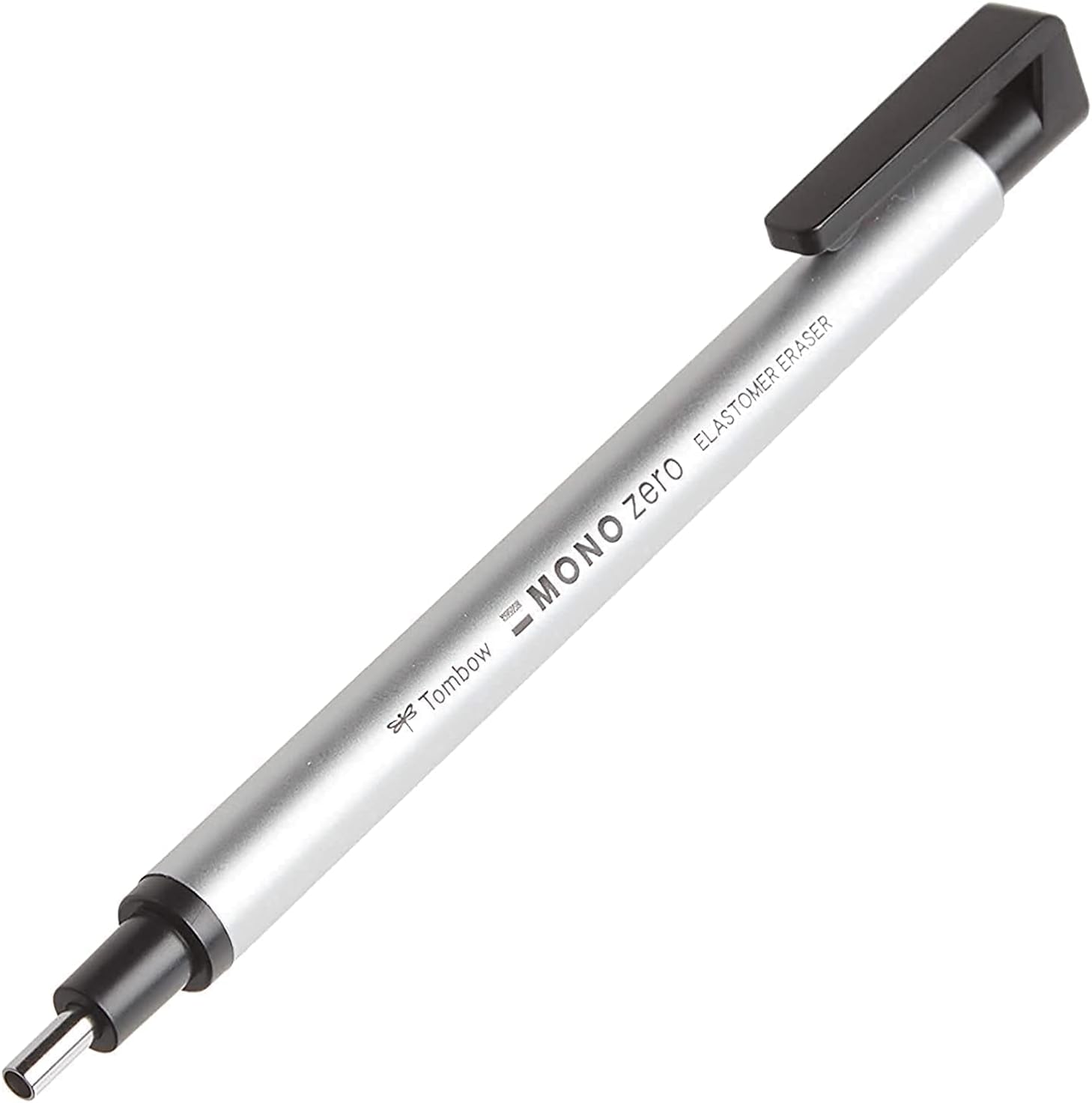
The Tombow Mono Zero round-tip precision eraser (about $6) is the crumb lift itself: a 2.3mm tip that pulls specks of pigment out of mid-browns without gouging.
A block eraser takes the page with it; a kneaded eraser dabs too wide. The Mono Zero’s pen-shaped tip is the only tool I have found that makes a speck exactly as big as a speck.
Con: the tiny tip wears and the sleeve needs retracting discipline — treat it like a pen, not a stick, and it lasts.
My take: The most important $6 in the method — the crumb lift does not work with a block eraser.
Budget Note
The cheapest honest setup for the Crumb Method: the Arteza 48 tin (about $15), one Signo white pen (about $6), and the Mono Zero (about $6) — under $30 total. Upgrade to Prismacolor only when the browns start limiting you.
Pair the method with pages worth practicing it on — the Christmas coloring books roundup has cozy holiday titles in stock now, and the weave-first knit method is the natural companion piece for the sweaters and hats in the same books. And deep-focus coloring hits different with an audiobook — Audible’s free trial is here (that’s an affiliate link too).
ColoredCalm is reader-supported. As an Amazon Associate, I earn from qualifying purchases. That means if you buy through one of the links above, I get a small commission at no extra cost to you. I only recommend supplies I actually color with.
Related guides
- Realistic Eyes: The Four-Zone Method
- Color by Number for Adults: Why Structured Coloring Is Making a Comeback
- Toned-Paper Coloring With Colored Pencils: The Mid-Tone Method
- Slow Living Coloring: How to Turn a Simple Coloring Session Into a Mindful Daily Ritual
- Gemstones and Crystals: The Light-First Method
🎨 Get Your Free Stress Relief Coloring Guide
Join our newsletter and get this free printable plus weekly tips.
Frequently Asked Questions
How do you color gingerbread with colored pencils?
Use a warm-shadow trio - mid tan face, warm reddish-brown shadow, deep chestnut crevices - in two light layers, then lift tiny crumbs of pigment back out with a precision eraser like the Tombow Mono Zero. The speckle is what makes the surface read as baked instead of a flat brown shape. Full method is above.
What colors make baked goods look real?
Three warm stages of the same cookie: a mid tan (goldenrod or light sienna) for flat faces, a warm reddish-brown for general shadow, and a deep chestnut for seams and crevices. Keep shadows warm - gingerbread shadow goes redder, never gray or blue, or the cookie reads as slate instead of dough.
How do you make icing look white with colored pencils?
Reserve it: work around the icing areas entirely and let the paper stay untouched, then restore the pop with one clean pass of a white gel pen (the Uni-ball Signo broad is the standard). One pass, no scrubbing, crisp edges - icing is defined by its edges more than its surface.
How do you draw sugar sprinkles with colored pencils?
Place four or five deliberately instead of scattering thirty. Lift a speck with the precision eraser, then dot it with the white gel pen if it catches light. A roof with three believable sprinkles reads better than one with thirty blobs.
Do I need expensive pencils to color baked goods?
No. The Arteza 48-count tin (about $15) carries enough warm range to run the whole method - it just needs four light layers where Prismacolor needs two. The two tools that matter more than pencil brand are the white gel pen (about $6) and the precision eraser (about $6).
Liked this guide? Get the next one in your inbox — the coloring starter checklist is free too.
✓ You're in — check your inbox.
No spam. Unsubscribe anytime. We never share your email.
Prices move fast. Start your Amazon trip from our Shop & Support page and your purchases support ColoredCalm at no extra cost to you.
Price Check
Prices verified via our product tracker. Updated Oct 31.
| Tombow Mono Zero Eraser, Round 2.3mm : Pen Style Erasers : | $5.80 | 4.8★ (4,352) |
| Uni-Ball UM 153 Signo Broad Point Gel Pen - White - Pack o | $6.18 | 4.7★ (1,694) |
| Prismacolor Premier Colored Pencils, Soft Core, 72 Count | $74.49 | 4.8★ (29,632) |
As an Amazon Associate we earn from qualifying purchases.