This article contains affiliate links. We may earn a commission from qualifying purchases.
Some content on this site is AI-assisted and reviewed by our editorial team.
Flat Red Circles and the Page That Made Me Quit
Every colorist hits the same wall the first December: a page of Christmas ornaments comes out as flat red circles, side by side, like a row of stickers. The drawing gave you spheres — round things with highlights already inked in — and you colored them like a fill tool. The page goes back in the drawer, and the book quietly becomes a January project.
Here is the shift: a bauble is a sphere, and a sphere is a light source plus a shadow plus a reflection. The sequence is shade first, color second, highlight last — and the single biggest trick is leaving the highlight as bare paper or laying it over the top with a white pencil, never trying to draw it with the red itself. Holiday pages get started in October for exactly this reason: the ornaments take a few tries to click.
The technique first, then the supplies that make it possible.
The Sphere Sequence, Step by Step
1. Find the light source before touching color. Most coloring-book pages imply light from the upper left. Commit to it and stay consistent across the whole page — mixed light sources are what make a tree look confused.
2. Shade the sphere in bands, not one flat coat. Work three tones: darkest at the lower-right edge, mid-tone across the middle, and almost no pigment in the upper-left quadrant. Light pressure, small circular strokes, build slowly. Two thin layers beat one heavy one.
3. Leave the highlight zone bare. That upper-left patch of white paper is your brightest possible highlight — no white pencil matches actual untouched paper. Resist coloring it “to be neat.”
4. The reflection band goes near the bottom. Real baubles mirror the room. One soft stroke of the paper’s own color, flipped, along the lower curve sells the glass. This is the detail that separates a sphere from a sticker.
5. Cap and hook last, with a sharp point. The metal cap is where fine-motor patience pays: hard gray strokes, one white glint line, and the little loop above. Dull points make mush of exactly this step.
6. White pencil over the top. Lay the final glints over finished color — one confident stroke on the sphere, a tight dot on the cap. White-on-top pops; red-left-white never does.
Prismacolor Premier Soft Core 36-Count — The Ornament Palette
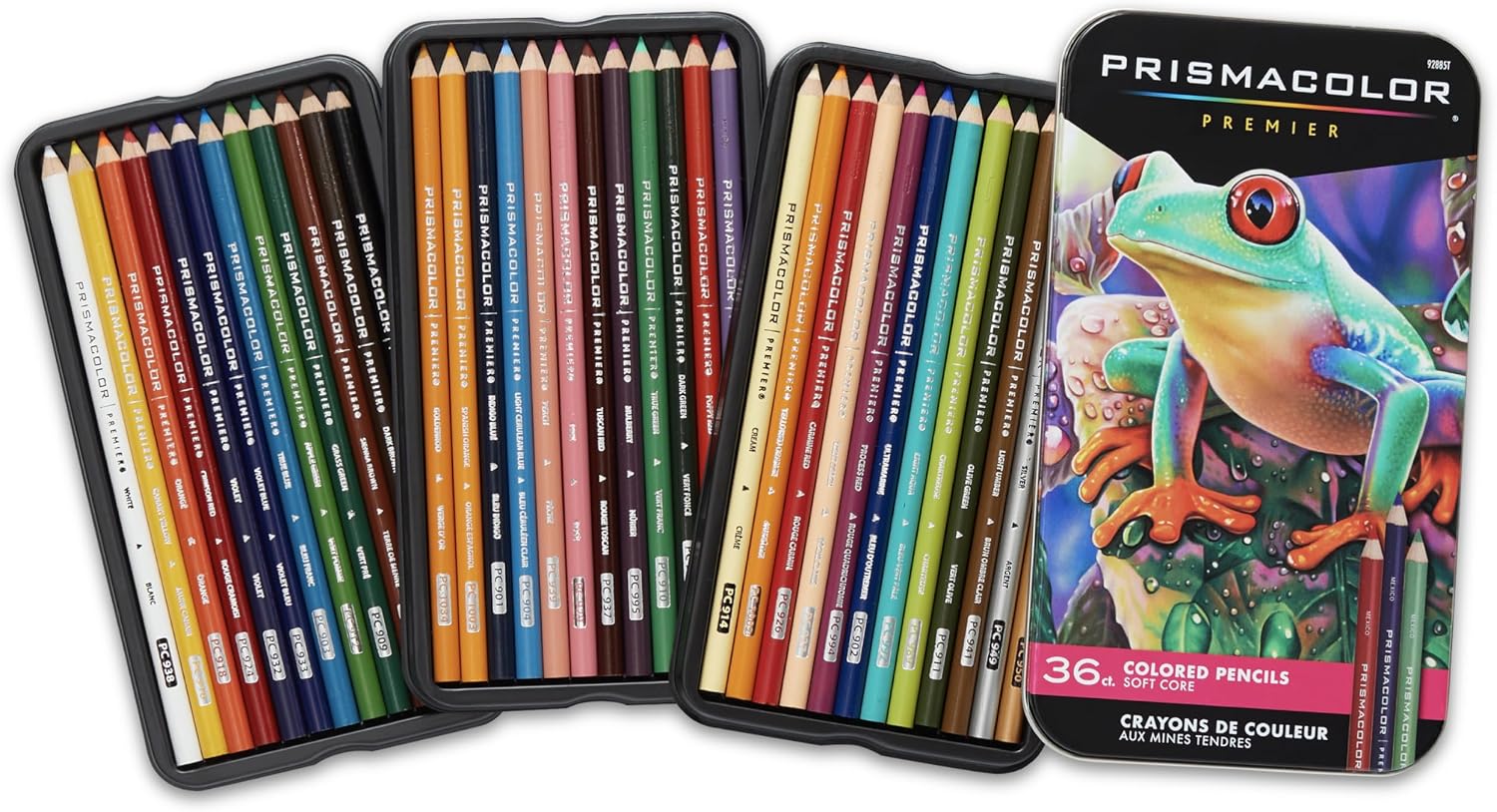
The Prismacolor Premier 36-count at about $36 carries the reds, golds, and deep greens a tree full of baubles needs, and its soft wax cores are made for the layering this technique runs on — light pressure, three bands, done in one sitting. The honest con: the same softness snaps tips on the tiny cap-and-hook details, so sharpen often and expect some casualties at $36 a tin. The set has crept up in price over the past year; on sale it is still the best soft-core value.
My take: The workhorse set for this technique — soft cores are not optional for sphere shading, they are the whole mechanism.
Prismacolor White Pencils — The Highlight That Actually Shows
The white that lays glints over finished color is its own tool, and the Prismacolor 3365 white dozen at about $17 for a two-pack of dozens is the supply drawer’s quiet hero: 24 white pencils, which sounds absurd until you realize white is the first core you sharpen down to a nub. The honest con: soft white leads are the fastest-breaking pencils in any tray — sharpen gently, and never drop them.

My take: If your baubles look dead, this is the missing five dollars of equipment, not more practice.
Prismacolor Colorless Blender 2-Count — The Seam Eraser
Where your three shading bands meet, a hard edge shows. The Prismacolor 962 colorless blender — about $5 to $6 for a two-count, marketplace-priced and worth it — melts that seam without adding pigment. The con is pressure: pressing too hard burns the paper’s tooth flat, and then nothing more will layer on that spot. Light circles, and stop early.
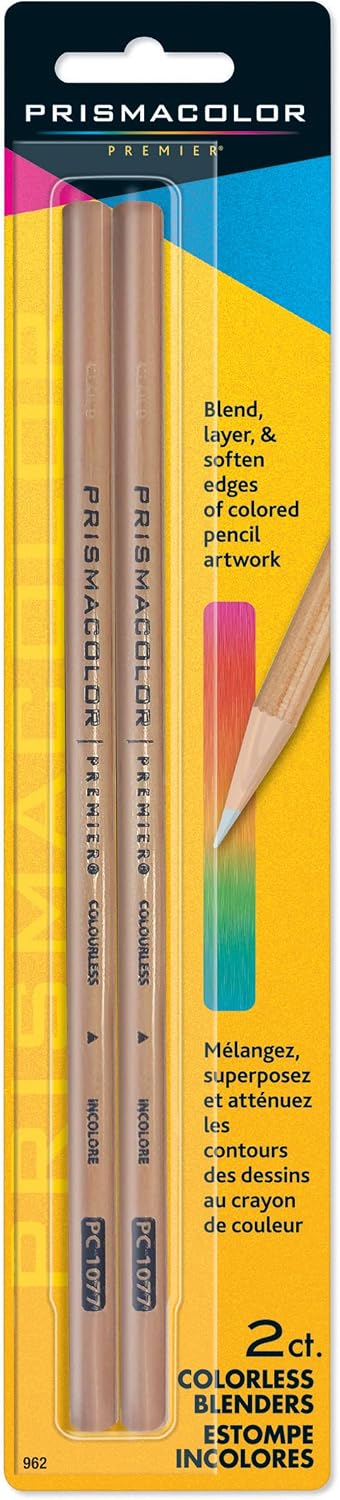
My take: The cheapest tool on this page and the one that makes bands look airbrushed. Buy it with the whites.
Sakura Gelly Roll Moonlight 10-Pack — The Opaque Pop Pen
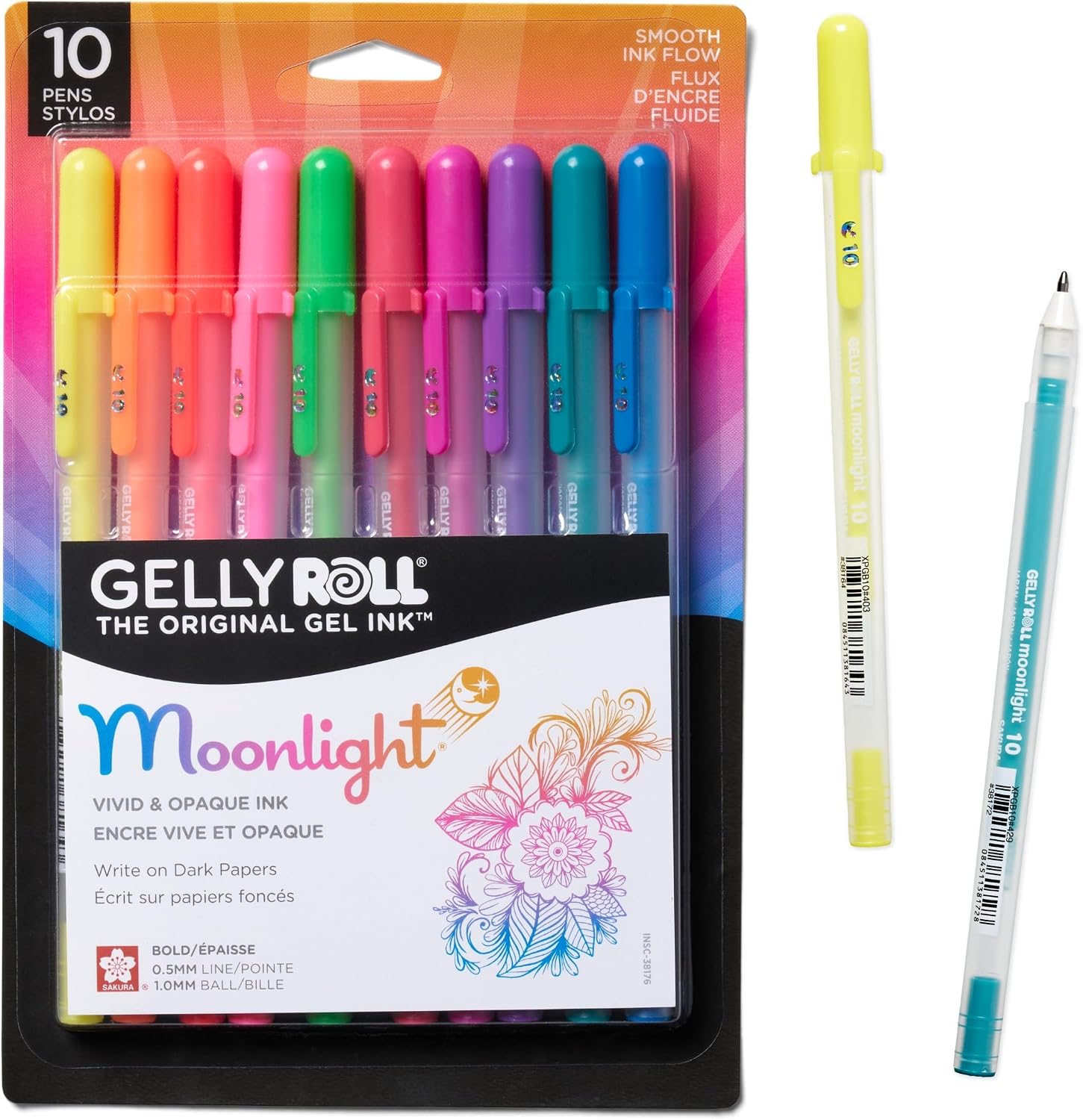
For highlights that sit on top of dark ornaments and ribbon — the places white pencil cannot reach cleanly — the Gelly Roll Moonlight 10-pack at about $12 lays opaque pigment that stays bright over heavy color layers. Use it for the tiny star glints and the reflection dots. The con: gel pens skip over wax bloom, so if you burnished heavily, lift the shine with a tissue before the pen touches down.
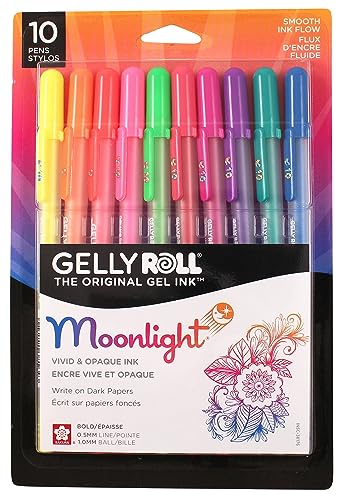
My take: The finishing tool. White pencil for big glints, gel pen for the tiny ones nothing else can reach.
Worlds of Wonder — The Practice Pages
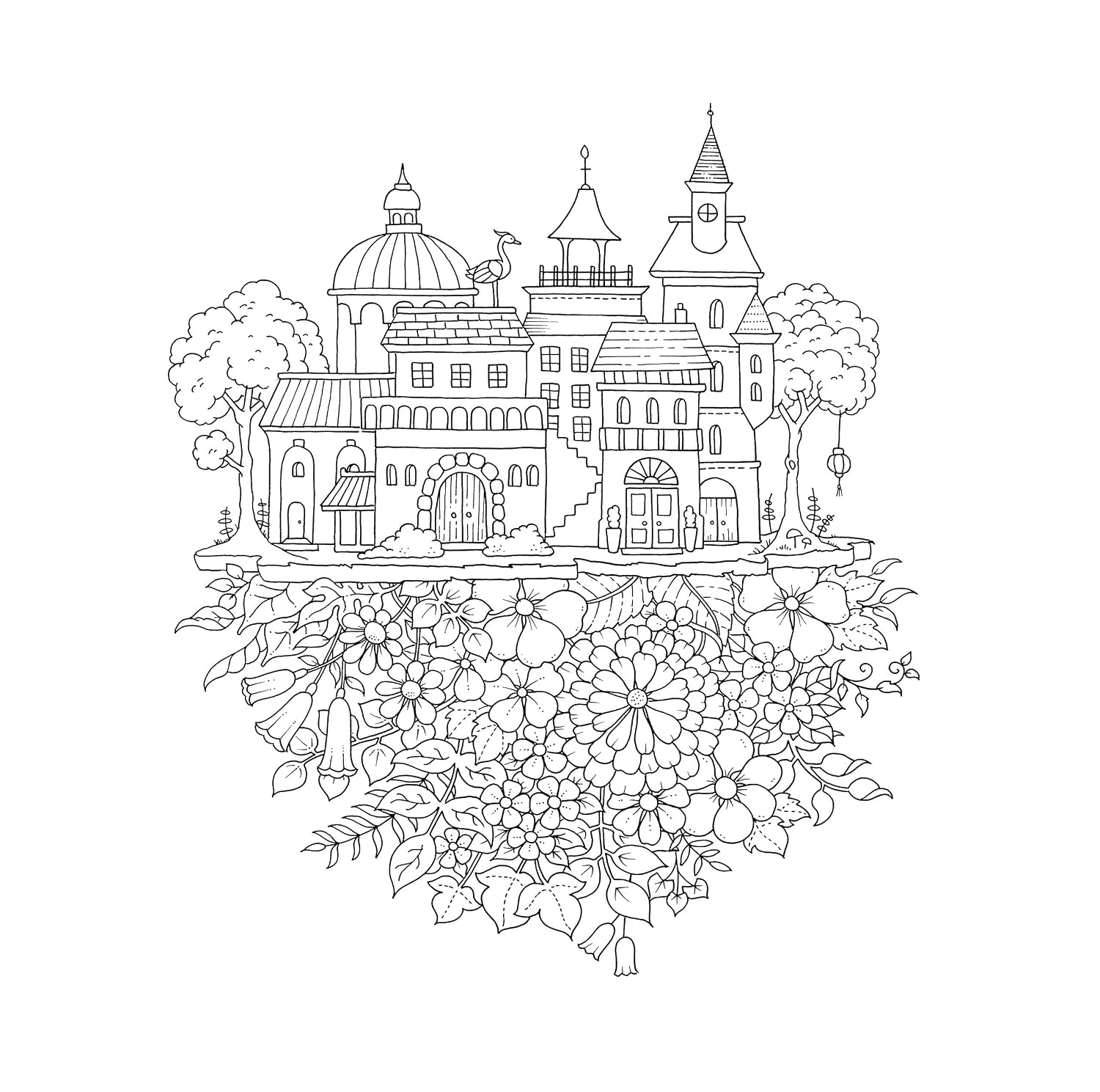
Johanna Basford’s Worlds of Wonder at about $11 is dense with exactly the shapes this technique drills: baubles, garlands, tiny repeats, and decorative ink pages where a beginner can warm up before the showpiece spreads. The back third demands sharp points and patience — treat those pages as the final exam, not the first attempt.
My take: The best single book for drilling spheres and metallic details without buying a whole holiday shelf.
Common Mistakes (I Made All Four)
Coloring the highlight zone red “for coverage.” Bare paper is the brightest white available. Guard it.
One flat coat of red. Flat is what you are trying to escape. Three tones minimum.
Skipping the reflection band. It feels wrong to add color near the bottom of a “shiny” object, and it is exactly what makes glass read as glass.
Burnishing early. Once the tooth is flattened, no more layers stick. Blend last, lightly.
The Budget Note
The full kit above runs about $65. The minimum viable version: any soft-core set with three usable reds plus one white pencil — about $25 total — will produce spheres that read as glass. The white pencil is the only non-negotiable.
Deep-focus coloring hits different with an audiobook — Audible’s free trial is here.
Keep reading: the same light logic runs this year’s cozy Christmas book picks, and I wrote the full sphere-and-light breakdown for gemstones here — a bauble is just a gem with a hook.
ColoredCalm is reader-supported. As an Amazon Associate, I earn from qualifying purchases. That means if you buy through one of the links above, I get a small commission at no extra cost to you. I only recommend supplies I actually color with.
Related guides
- Black Paper Coloring with Colored Pencils: A Practical Guide
- How to Color Rain and Wet Streets With Colored Pencils
- Skin Tones: The Five-Layer Method
- How to Color Metallic and Shiny Effects with Colored Pencils
- Glass and Transparent Objects: The Light-First Method
🎨 Get Your Free Stress Relief Coloring Guide
Join our newsletter and get this free printable plus weekly tips.
Frequently Asked Questions
How do you shade a sphere with colored pencils?
Pick the light source first (most coloring pages imply upper-left), then build three tone bands with light circular strokes: darkest at the lower-right edge, mid-tone across the middle, and almost no pigment in the upper-left quadrant. Two thin layers beat one heavy one, and the highlight zone stays bare paper until the very end.
How do you color glass ornaments?
Glass reads as glass because of two things: a bare-paper or white-pencil highlight at the light source, and a soft reflection band laid along the lower curve — a flipped stroke of the ornament's own color, mirroring the room. Add the reflection before the highlight, and the flat sticker look disappears.
What white pencil works best for highlights?
Prismacolor's 3365 white (sold by the dozen) is the standard answer for laying glints over finished color — opaque enough to pop over dark reds and greens. Soft white leads break easily, so sharpen gently. For the brightest possible highlight, nothing beats leaving the paper white in the first place; the pencil is for glints you forgot to save.
Liked this guide? Get the next one in your inbox — the coloring starter checklist is free too.
✓ You're in — check your inbox.
No spam. Unsubscribe anytime. We never share your email.
Prices move fast. Start your Amazon trip from our Shop & Support page and your purchases support ColoredCalm at no extra cost to you.
Price Check
Prices verified via our product tracker. Updated Oct 31.
| Prismacolor Premier Colored Pencils, Soft Core, Assorted C | $36.00 | 4.8★ (51,601) |
| 3365 White Colored Pencils 2x12 | $17.09 | 4.8★ (206) |
| Prismacolor 962 Premier Colorless Blender Pencils, 2-Count | $9.69 | 4.7★ (12,660) |
| Sakura Gelly Roll Moonlight 10 Gel Pens, Assorted Bright, | $11.99 | 4.8★ (8,695) |
| Worlds of Wonder: A Coloring Book for the Curious: 9780143 | $17.95 | 4.8★ (6,100) |
As an Amazon Associate we earn from qualifying purchases.