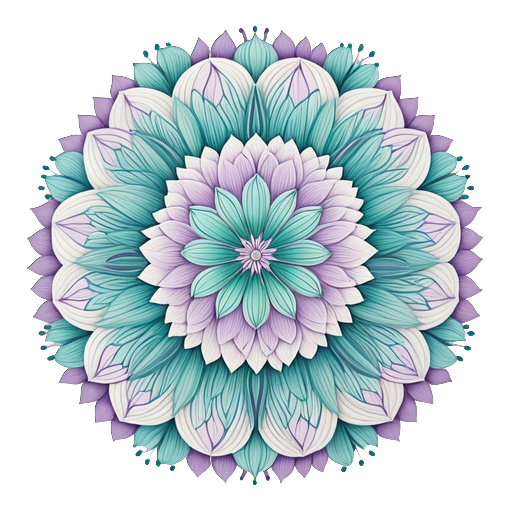
This article contains affiliate links. We may earn a commission from qualifying purchases.
Some content on this site is AI-assisted and reviewed by our editorial team.
Floral <a href="https://coloredcalm.com/best-<a href="https://coloredcalm.com/fix-Coloring-mistakes-without-starting-over-2/”>Coloring-bags-and-totes-for-taking-your-supplies-on-the-go-2/”>Coloring Books for Adults: How to Bring Flowers to Life on the Page
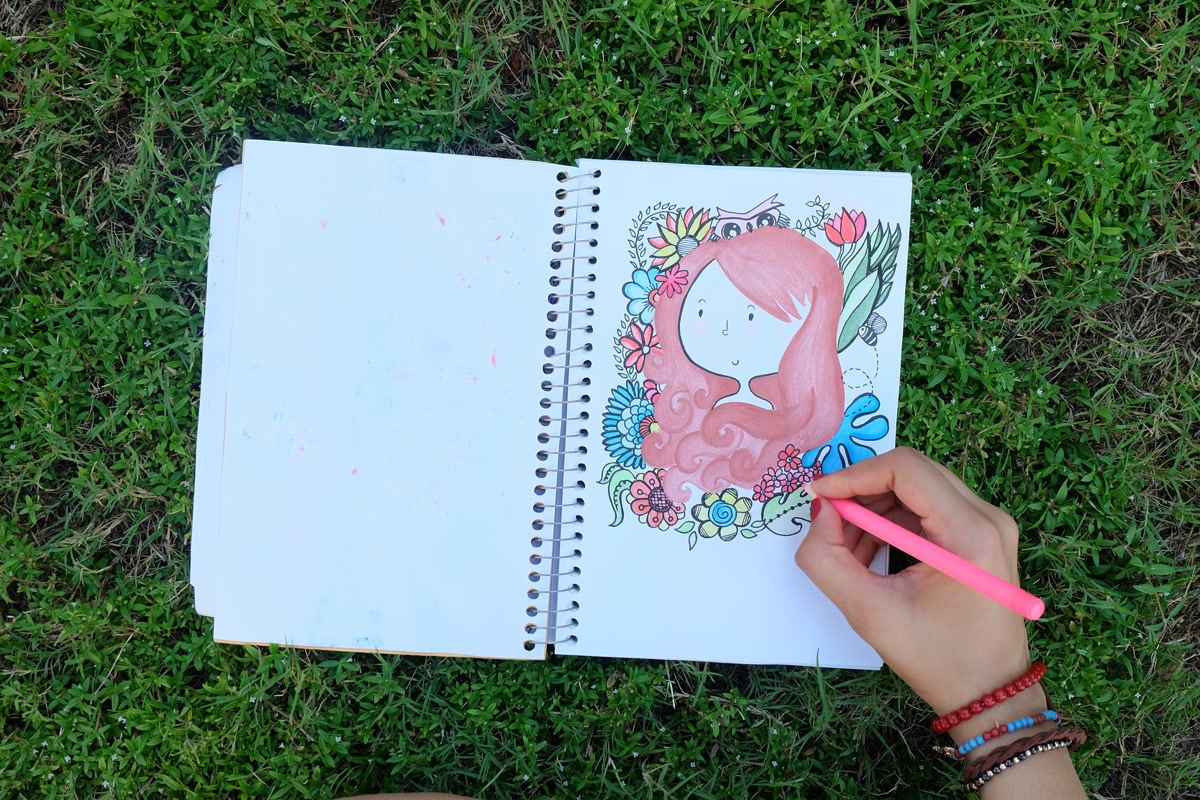
Flowers are the original coloring subject. Before mandalas, before fantasy dragons, before geometric patterns, people were coloring flowers. The reason is simple: flowers are naturally beautiful, naturally colorful, and naturally varied. No two flowers look exactly the same, which means no two coloring pages feel exactly the same. Whether you are coloring a detailed rose, a loose spray of wildflowers, or a formal botanical illustration, floral coloring pages offer a specific kind of satisfaction that no other subject can match.
Disclosure: As an Amazon Associate, ColoredCalm earns from qualifying purchases. This post contains affiliate links, which means we may earn a commission if you click through and make a purchase, at no additional cost to you.
This guide covers everything you need to know about floral coloring books, how to choose the right one, how to pick colors that look natural (and when to ignore nature entirely), the techniques that make flowers look three-dimensional, and the supplies that work best for petal and leaf details.
Why Floral Coloring Books Are Different
Floral designs are unique among coloring subjects because they are based on something real. When you color a mandala or a geometric pattern, you are making up colors from scratch. When you color a flower, you have a reference point, you know what a rose looks like, what a sunflower looks like, what a tulip looks like. This can be comforting (you have a guide) or intimidating (what if you pick the wrong colors?). The secret is that there are no wrong colors in floral coloring. A blue rose is not a mistake, it is a choice.
What makes floral books special is the range of detail. Some floral coloring books feature simple, bold flowers with thick outlines and large petals, perfect for beginners or for relaxing, low-focus coloring. Others are essentially botanical illustrations with fine lines, subtle shading suggestions, and dozens of tiny petals that demand precision and patience. The range means there is a floral coloring book for every mood and skill level.
Choosing the Right Floral Coloring Book
For Beginners: Bold and Simple
If you are new to floral coloring, start with books that have large, simple flower designs. The Easy Coloring Book with Bold and Easy Designs includes floral patterns among its simple designs, and the thick lines and large shapes make it nearly impossible to color outside the lines. This builds confidence and lets you focus on color choice without worrying about precision.
For Intermediate Colorists: Detailed but Manageable
The Cottagecore Coloring Book by Chartwell includes beautiful floral and botanical designs in a cozy, rustic aesthetic. The detail level is moderate, enough to be engaging, but not so fine that you need a magnifying glass. The cottagecore aesthetic pairs perfectly with floral subjects, combining flowers with cozy scenes like kitchen windowsills and garden paths.
For Advanced Colorists: Botanical Illustrations
For experienced colorists who want a challenge, the Secret Garden by Johanna Basford is the gold standard. Basford essentially created the adult coloring book market with this title, and it remains one of the most detailed and beautiful floral coloring books ever published. The designs include dense gardens, hidden creatures, and intricate petal patterns that reward careful, patient coloring.
How to Color Flowers: Techniques That Make Petals Pop
Layering for Depth
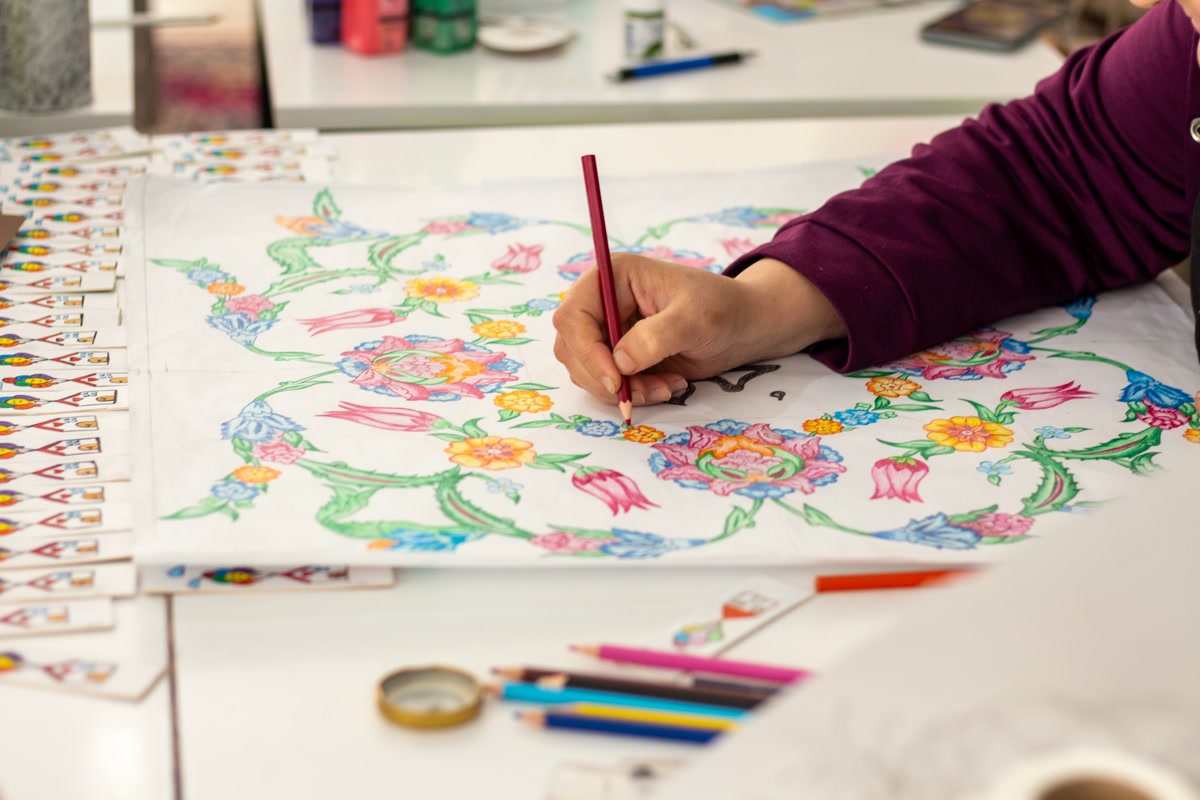
Real flowers are not flat. A rose has petals that curve inward and outward, creating shadows and highlights. To replicate this on a flat page, use layering. Start with the lightest version of your flower color as a base across the entire petal. Then add a slightly darker shade to the areas where petals overlap or curl inward, these are the shadow areas. Finally, add the darkest shade only at the very edges where petals meet the center. Three layers, darkening as you go inward, creates a three-dimensional effect.
The Center Is the Darkest Part
In most flowers, the center is darker than the outer petals. This is where petals cluster and create shadows. Start your darkest coloring at the center and fade outward to lighter shades at the petal tips. This simple rule makes flowers look more realistic instantly, even if you are using non-natural colors.
White Highlights for Dew Drops
One of the most satisfying techniques in floral coloring is adding dew drops. After coloring a petal, use a white gel pen to add a small circle of white near the edge of a petal. Add a tiny dot of silver or light blue inside the circle. Suddenly, it looks like a drop of morning dew sitting on the petal. It is a tiny detail that elevates the entire page. The Mr. Pen White Gel Pens are perfect for this, the ink is opaque enough to show up over colored pencil.
Leaves Are Not Afterthoughts
Most colorists spend all their attention on the flowers and rush through the leaves. But leaves are half the page. Use at least two shades of green for every leaf, a yellow-green for highlights and a blue-green for shadows. Add a darker green along the vein lines. This makes the leaves look as dimensional as the flowers, and the contrast between detailed leaves and detailed flowers makes the whole page look more finished.
Color Palettes for Floral Coloring
Naturalistic Palettes
These use the colors flowers actually appear in in nature:
- Rose garden: Crimson, deep pink, soft pink, cream, with dark green and sage leaves
- Spring meadow: Lavender, buttercup yellow, cornflower blue, white, with bright green stems
- Autumn bouquet: Burnt orange, golden yellow, deep red, rust, with olive and brown-green leaves
- Tropical garden: Magenta, coral, turquoise, lime green, with deep emerald leaves
Fantasy Palettes
These ignore nature entirely and use color combinations that look striking, not realistic:
- Galaxy rose: Deep purple, navy blue, magenta, and silver, with dark blue-green leaves
- Monochrome blue: Every shade of blue from navy to sky, with grey-green leaves
- Sunset bloom: Orange, pink, yellow, and red blending outward like a setting sun
- Jewel tones: Emerald, sapphire, amethyst, and ruby, rich, saturated, and bold
Best Supplies for Floral Coloring
Floral coloring benefits from fine-tipped tools. The detail in most floral books, thin petal lines, delicate vein patterns, tiny centers, demands precision. Here is what works best:
- Prismacolor Premier Colored Pencils, soft, blendable lead that is ideal for layering petals
- Faber-Castell Polychromos, harder lead than Prismacolor, better for fine details and vein lines
- Mr. Pen White Gel Pens, for dew drops, highlights, and petal edges
- Sakura Pigma Micron Fineliners, for adding detail lines or re-darkening faded outlines
Floral Coloring Is Not About Botanical Accuracy
The most important thing to remember about floral coloring is that it is not a test of botanical knowledge. You do not need to know whether a flower is a peony or a camellia. You do not need to know what color it is in real life. You need to enjoy the process of putting color on petals and watching a page come to life.
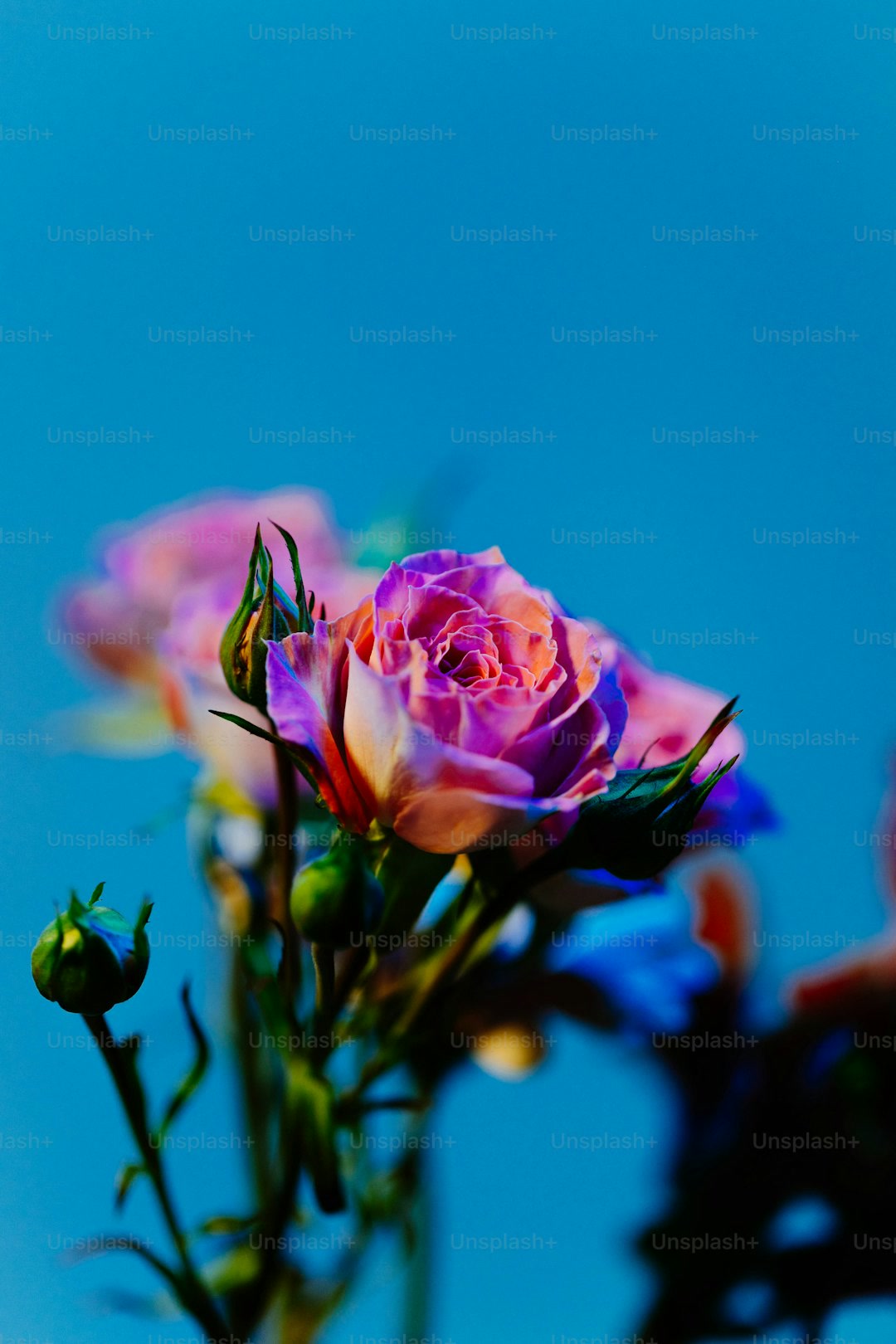
Color a rose blue. Color a sunflower purple. Color leaves orange. The flower on your page is not a real flower, it is a design inspired by a flower, and you get to decide what it looks like. That freedom is what makes floral coloring so enduringly popular. Every other coloring subject comes with expectations. Floral coloring comes with none. Just petals, leaves, and your color choices.
Not a Prime member yet? Get FREE 2-day shipping on millions of items, plus access to Prime Video, Prime Music, and Prime Reading. Start your 30-day Prime free trial
Bottom Line
Floral coloring books are the most versatile, forgiving, and endlessly varied subject in adult coloring. They work for beginners and experts, for quick sessions and long ones, for naturalistic coloring and pure fantasy. Start with a book that matches your skill level, use at least two shades for every petal and every leaf, add white highlights for dew drops, and remember: there are no wrong colors for a flower that exists only on your page.
🎨 Get Your Free Stress Relief Coloring Guide
Join our newsletter and get this free printable plus weekly tips.