This article contains affiliate links. We may earn a commission from qualifying purchases.
Some content on this site is AI-assisted and reviewed by our editorial team.
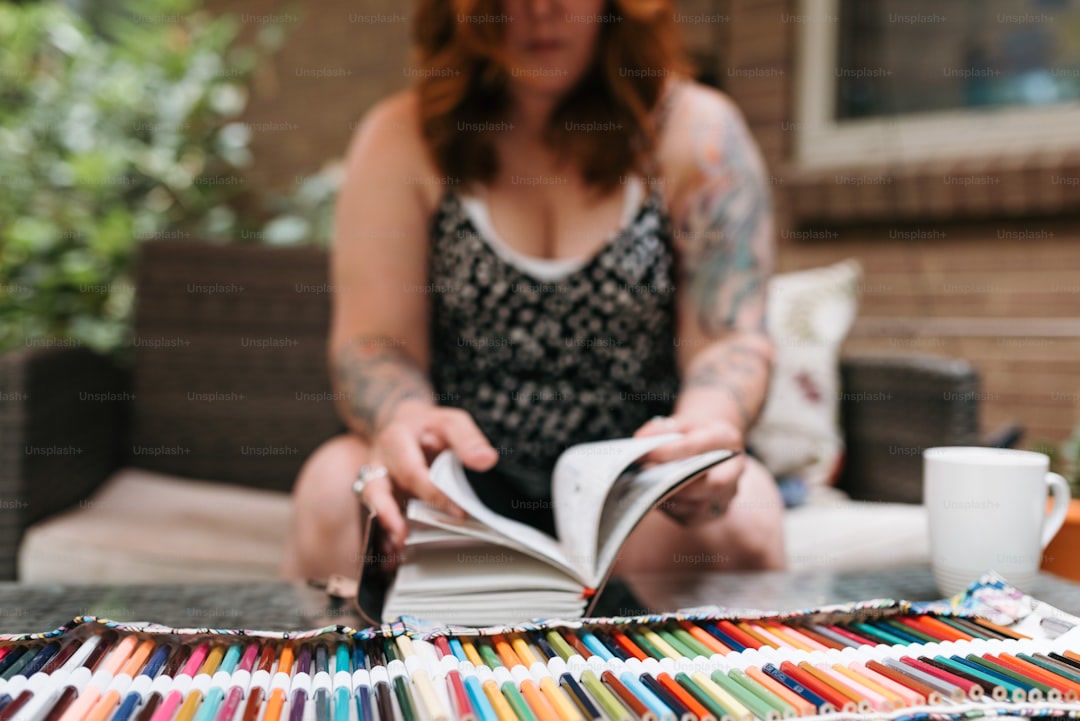
We’ve all been there. You sit down with a new coloring book, fresh pencils, and big plans for a relaxing evening. Three hours later, you’ve smudged half the page, torn through the paper, and your “relaxing” activity has become a source of frustration.
Disclosure: As an Amazon Associate, ColoredCalm earns from qualifying purchases. This post contains affiliate links, which means we may earn a commission if you click through and make a purchase, at no additional cost to you.
Here are seven mistakes that ruin coloring pages, and how to fix each one.
1. Pressing Too Hard on Your First Layer
Quality pencils need less pressure to lay down color. Prismacolor Premier pencils have soft wax cores that blend with barely any pressure.
This is the number one mistake, especially for beginners. You press hard because you want bold color, but then you can’t add shadows, blends, or details on top. The paper gets that waxy buildup that repels additional layers, and you’re stuck with a flat, one-dimensional result.
Fix: Start light. Build color in two or three light layers instead of one heavy pass. You can always add more pigment, but you can’t take it away.
2. Using the Wrong Paper for Your Medium
Standard coloring books use 60-80gsm paper. That’s fine for colored pencils. It’s a disaster for markers or watercolors, they’ll bleed through, warp the page, and potentially ruin the next page too.
Fix: If you want to use markers, either buy coloring books specifically printed on single-sided heavy paper (look for 150gsm+), or slide a piece of cardstock behind the page you’re working on. For watercolors, you need to photocopy pages onto watercolor paper.
3. Sharpening Wrong (or Not Sharpening at All)
The Kum Automatic Long Point Sharpener gives you a fine point without eating through your pencils.
Dull pencils give you imprecise, muddy-looking fills. But over-sharpening soft pencils like Prismacolors leads to constant breakage, and every broken tip means wasted pencil and a jagged edge.
Fix: Use a manual sharpener (not electric, they eat pencils). Twist slowly and evenly. Stop sharpening when you have a reasonable point, you don’t need a needle tip. For detail work, rotate the pencil as you draw to maintain the point.
4. Ignoring the Direction of Your Strokes
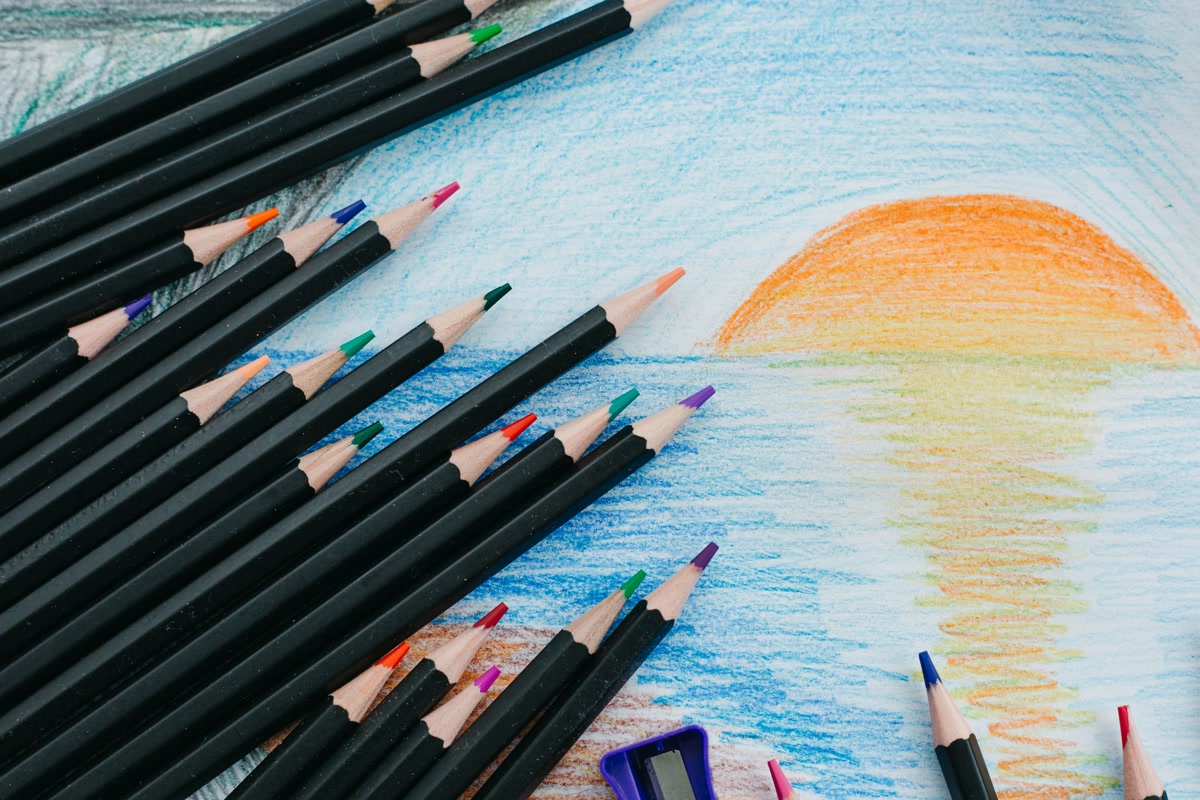
Random stroke directions make a colored area look fuzzy and uneven. You might not notice it on a small area, but fill a large space with haphazard strokes and it looks messy, even from a distance.
Fix: Pick a direction and stick with it. For large areas, use small, circular motions (like you’re polishing something). For directional elements like leaves or hair, follow the natural direction of the shape. Consistent strokes are the difference between “professional” and “I tried.”
5. Coloring Everything to the Edges First
For practicing technique, Secret Garden by Johanna Basford has designs with clear boundaries that make it easy to practice filling in shapes.
When you color to the edges first, you create a border that’s darker and more saturated than the interior. This happens because you naturally slow down at edges, pressing more pigment into those areas. The result: a dark outline inside the printed line that makes the whole thing look sloppy.
Fix: Start coloring from the center of each shape and work outward. When you reach the edge, use lighter pressure. This naturally creates depth and keeps your edges clean.
6. Not Testing Colors Before Committing
You look at a pencil, see “light green,” start coloring a leaf, and 20 minutes in you realize it’s actually more of a yellow-green that clashes with everything else on the page. Now you have to either start over or live with it.
Fix: Keep a scrap piece of paper next to you. Test every color on it before you use it on your page. This takes 5 seconds and saves you from the “wrong color” trap. Also, test your color layering, put two colors next to each other on scrap to see how they interact.
7. Skipping the White Pencil
White colored pencils aren’t just for snow. They’re your secret weapon for blending, softening, and adding highlights. A light layer of white over a blended area smooths out transitions. White over dark colors creates depth and dimension. A white pencil is like the eraser of the coloring world, it fixes things you didn’t even know needed fixing.
Fix: Always have a white pencil handy. Use it to blend transitions between colors, lighten areas that got too dark, and add highlight dots to things like water, eyes, and shiny surfaces. It’s the single most underrated tool in coloring.
Bonus: The One Thing That Fixes Most Mistakes
Step back. No, literally, put the page down, walk across the room, and look at it from a few feet away. Most “mistakes” disappear at viewing distance. That slightly uneven fill? Invisible. The color that seemed too dark? Looks like intentional shading. Coloring is like painting, it looks different from three feet away than it does from six inches.
Shop This Guide
- Prismacolor Premier Colored Pencils 72-Pack
- Prismacolor Premier 72-Color Set
- Crayola 50-Count
- Compare prices
- Prismacolor Colorless Blender
- Compare prices
- Electric Pencil Sharpener
- Compare prices
- Adult Coloring Book
- Compare prices
n
Not a Prime member yet? Get FREE 2-day shipping on millions of items, plus access to Prime Video, Prime Music, and Prime Reading. Start your 30-day Prime free trial
Bottom Line
Most coloring frustrations come down to a few fixable habits: using the wrong paper, pressing too hard, and skipping basic techniques. Start with good paper, a light hand, and patience for layering. Your coloring will improve faster than you think.
🎨 Get Your Free Stress Relief Coloring Guide
Join our newsletter and get this free printable plus weekly tips.
Price Check
Prices verified via our product tracker. Updated Sep 27.
| Amazon.com : Prismacolor Premier Colored Pencils, Soft Cor | $74.99 | 4.8★ (29,632) |
| Amazon.com: Kum AS2, Two Hole Automatic Long Point Pencil | $8.10 | 4.5★ (1,942) |
| Amazon.com : Prismacolor Premier Colored Pencils, Soft Cor | $48.80 | 4.8★ (16,317) |
| Amazon.com: Tamaki Pencil Sharpeners Manual Dual Holes, 4 | $5.99 | 4.7★ (472) |
| Secret Garden: An Inky Treasure Hunt and Coloring Book for | $15.95 | 4.7★ (16,080) |
| Amazon.com: Crayola Adult Colored Pencil Set (100ct), Prem | $24.08 | 4.7★ (55,736) |
| Amazon.com: Crayola Colored Pencils For Adults (50ct), Col | $13.99 | 4.7★ (55,736) |
| Amazon.com: Premier Colorless Blender Pencils 2 Packs : Of | $9.74 | 4.8★ (4,131) |
| Amazon.com : AFMAT Electric Pencil Sharpener, Heavy Duty P | $29.99 | 4.7★ (15,176) |
| Amazon.com: Coloring Book For Adults: 100 Mandalas: Stress | $9.99 | 4.7★ (9,703) |
As an Amazon Associate we earn from qualifying purchases.