
This article contains affiliate links. We may earn a commission from qualifying purchases.
Some content on this site is AI-assisted and reviewed by our editorial team.
How to Prevent Wax Bloom on Colored Pencil Art (And Fix It When It Happens)
You finish a coloring page. The colors look rich and vibrant. You set it aside, come back two days later, and there’s a cloudy white film over the dark areas. That’s wax bloom. It’s not a defect in your pencils. It’s a natural property of wax-based colored pencil cores, and there are simple ways to deal with it.
Disclosure: As an Amazon Associate, ColoredCalm earns from qualifying purchases. This post contains affiliate links, which means we may earn a commission if you click through and make a purchase, at no additional cost to you.
If you use Prismacolor Premier, Crayola Signature, or any other wax-based colored pencil, you’ll encounter wax bloom eventually. The more layers you apply, the more likely it is. But once you understand what causes it, preventing it becomes a simple habit.

What Causes Wax Bloom
Wax-based colored pencils get their soft, blendable texture from wax binders holding the pigment together. When you layer heavily, excess wax rises to the surface as the pigment settles into the paper fibers. This wax migration happens slowly, over hours or days, and it shows up as a frosted, cloudy film.
Dark colors show wax bloom more than light colors. A heavy layer of black, navy, or dark brown will almost always develop some bloom. Light colors like yellow and pink rarely show it because the wax film is white and only visible against dark pigment.
Wax bloom is not the same as fading. Your colors haven’t lost their vibrancy. The wax is just sitting on top, scattering light. If you wipe the surface with a soft cloth, the color returns. But wiping can also smear your work, so it’s not a permanent fix.
How to Prevent It
Apply Lighter Layers
The more wax you pile on, the more bloom you’ll get. Instead of pressing hard to get dark coverage, build up color with multiple light layers. Two or three light layers give you the same saturation as one heavy layer, but with less excess wax on the surface.
Use a Colorless Blender Sparingly
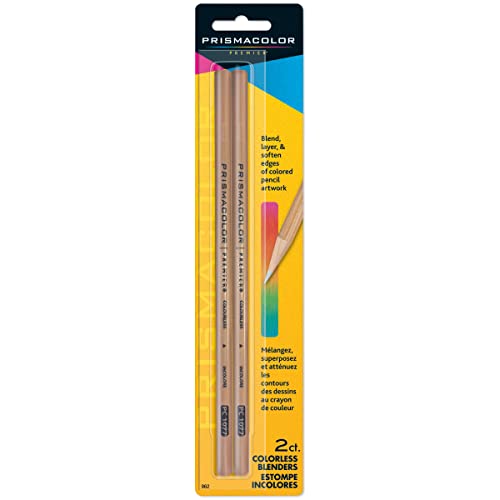
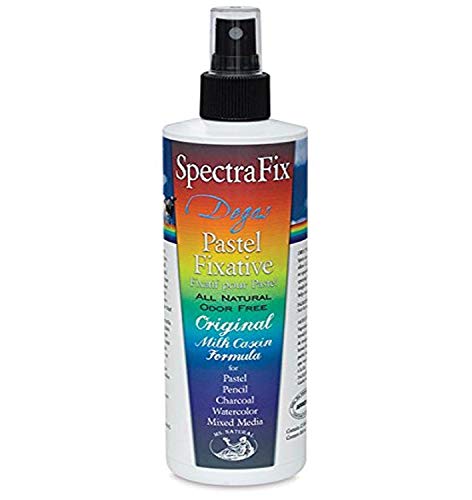
A colorless blender pencil helps merge colors, but it also pushes wax around. If you blend heavily, you’re moving wax to the surface where it will bloom. Use the blender for the final layer only, not between every color layer.
Finish with a Fixative Spray
The most reliable prevention is a fixative spray applied after your artwork is complete. Fixative creates a thin barrier that holds the wax in place and prevents it from migrating to the surface.
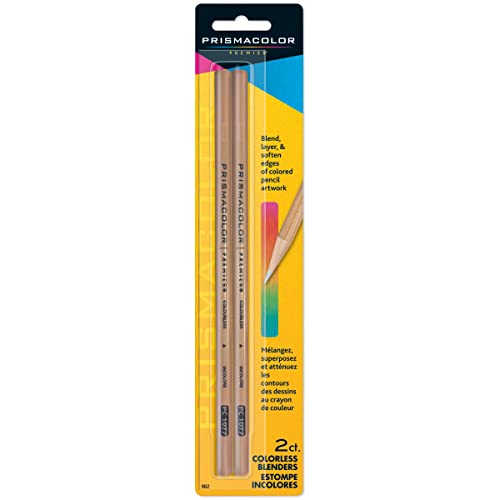
Krylon Workable Fixatif is the standard choice. It’s acid-free, archival-safe, and comes in an 11-ounce aerosol can. One light coat is enough for coloring book pages. Spray outdoors or in a well-ventilated area, hold the can 12 inches from the paper, and use a sweeping motion.
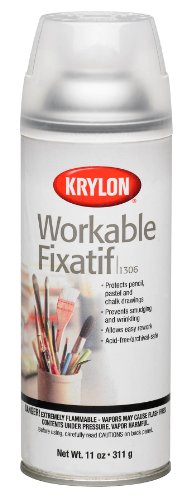
For a non-aerosol alternative, SpectraFix Degas Fixative comes in a pump spray bottle. It’s non-toxic, odor-free, and made from casein and alcohol. It’s safe to use indoors, which matters if you’re coloring at your desk and don’t want to go outside to spray.

How to Fix Wax Bloom After It Happens
If you already have wax bloom on a finished piece, here are three ways to remove it:
1. Wipe gently with a microfiber cloth. A soft, lint-free cloth will pick up the wax film without damaging the pigment underneath. Don’t rub hard. Light pressure is enough.
2. Use a hair dryer on low heat. Hold a hair dryer 12 inches from the artwork on its lowest setting. The warmth softens the wax and lets it reabsorb into the pigment. This takes 30 to 60 seconds. Don’t use high heat, which can melt the wax and smear your colors.
3. Spray with fixative after wiping. Once you’ve removed the bloom, spray with Krylon Workable Fixatif to prevent it from coming back. The fixative locks the wax in place.
Listen while you color. Audible has thousands of audiobooks perfect for coloring sessions. Try Audible FREE for 3 months
Does Wax Bloom Happen with Oil-Based Pencils?
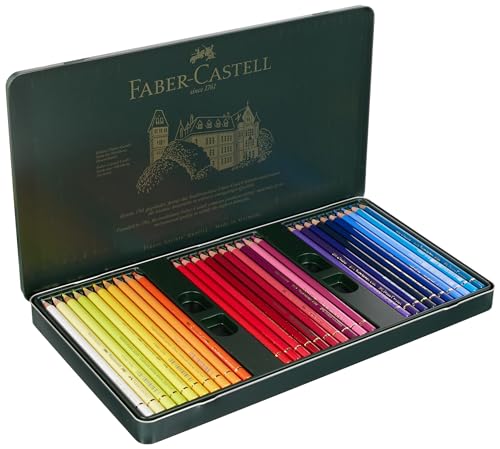
No. Oil-based pencils like Faber-Castell Polychromos use an oil binder instead of wax. Oil doesn’t migrate to the surface the way wax does, so you won’t see bloom with oil-based pencils. This is one of the advantages of oil-based pencils for detailed work where you apply many layers. For a full comparison, see our Prismacolor vs Polychromos guide.
Bottom Line
Wax bloom is normal. Every wax-based pencil will produce some if you layer heavily. The fix is simple: build color with light layers, finish with a fixative spray, and keep a microfiber cloth handy. If you want to skip the issue entirely, switch to oil-based pencils for your dark, heavily layered sections. Browse our colored pencil guide or under 50 dollars guide for recommendations.
🎨 Get Your Free Stress Relief Coloring Guide
Join our newsletter and get this free printable plus weekly tips.
Price Check
Prices verified via our product tracker. Updated Sep 27.
| Krylon Workable Fixative Spray, Clear, Gloss, Solvent, 11 | $9.19 | 4.7★ (8,402) |
| Amazon.com: SpectraFix SFX-31270 12 oz Spectrafixative Fix | $26.99 | 4.4★ (795) |
| Amazon.com: Polychromous Colored Pencil Set In Metal Tin 6 | $79.56 | 4.8★ (4,529) |
As an Amazon Associate we earn from qualifying purchases.