This article contains affiliate links. We may earn a commission from qualifying purchases.
Some content on this site is AI-assisted and reviewed by our editorial team.
Prismacolor vs Faber-Castell Polychromos: Which Colored Pencils Are Worth Your Money?
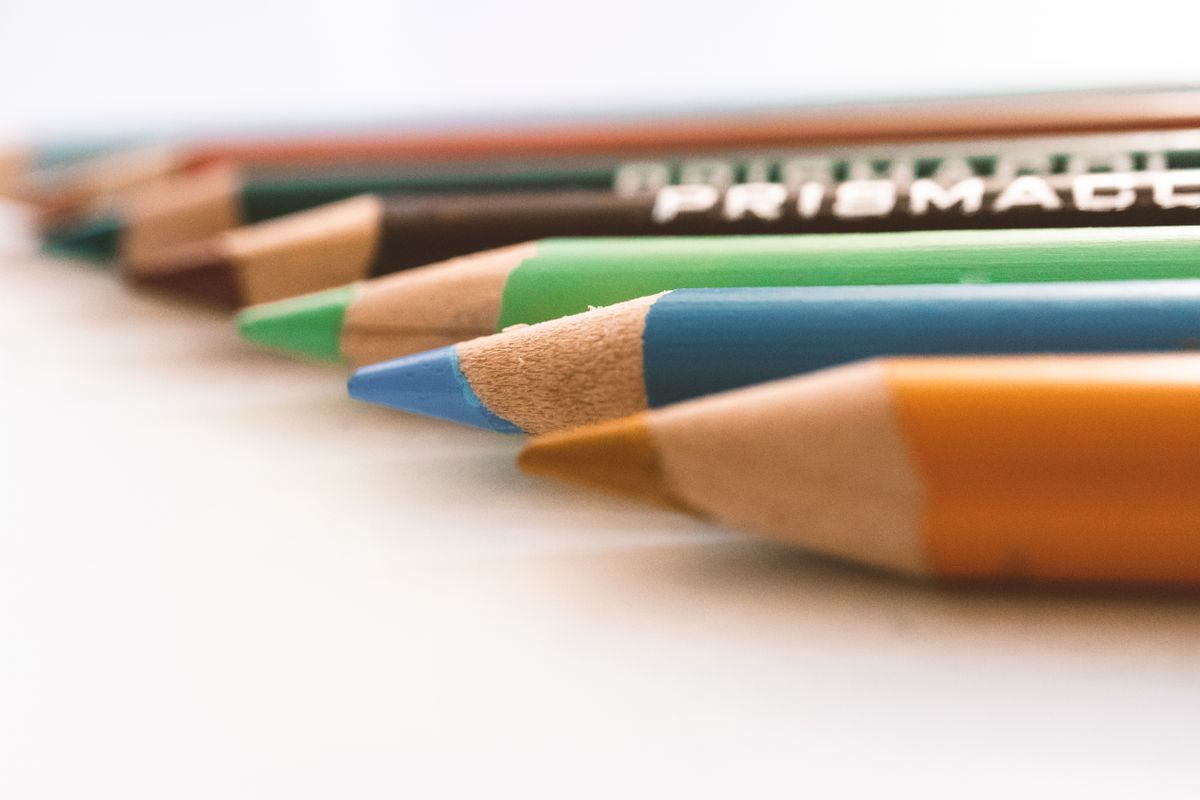
If you have spent any time in adult coloring circles, you have heard the debate. Prismacolor Premier or Faber-Castell Polychromos? It is the Coke vs Pepsi of colored pencils, and everyone has an opinion. The problem is that most of those opinions come from artists who work on large-format paper, not coloring book pages printed on 80-100 lb stock.
Disclosure: As an Amazon Associate, ColoredCalm earns from qualifying purchases. This post contains affiliate links, which means we may earn a commission if you click through and make a purchase, at no additional cost to you.
I have used both sets extensively on coloring books. The answer is more nuanced than “pick one.” Each brand excels at different things, and the right choice depends on how you color, what you color on, and what your budget looks like.
Price and Set Options
Prismacolor Premier is the budget-friendly option, and that matters more than you might think. A 72-color set of Prismacolor Premier runs about $35-45 depending on the sale, while a comparable 60-color set of Faber-Castell Polychromos costs $50-65. That is a 40-50% premium for Faber-Castell.
Prismacolor also offers more set sizes: 24, 36, 48, 72, 132, and 150 colors. Faber-Castell offers 24, 36, 60, 120, and the full 120-color wood box set. The lack of a 72-color option from Faber-Castell means you either buy fewer colors or jump to the expensive 120 set.
For most adult colorists, the 72-color Prismacolor set hits the sweet spot of color range and value. You get enough shades to handle almost any coloring book page without constantly mixing, and the price per pencil is about $0.50-0.60.
Pigment and Color Quality
Both brands use high-quality pigments, but they behave differently on paper. Prismacolor pencils have a soft, wax-based core that lays down color thickly and smoothly. One or two passes and you have solid coverage. The colors are vibrant and slightly translucent, which makes layering easy but can feel less saturated on white paper.
Faber-Castell Polychromos use an oil-based core that produces slightly more transparent but incredibly consistent color. The pigment density is excellent, and colors build up gradually rather than in thick layers. This makes Polychromos better for fine detail work and subtle shading, but it takes more passes to get full coverage on cheaper coloring book paper.
On coloring book pages specifically, Prismacolor wins for immediate impact. The soft core fills paper tooth quickly, and the wax binder creates a smooth finish that blends effortlessly. Polychromos excel on higher-quality paper where you can take advantage of their transparency for glazing techniques.
Core Softness and Breakage
This is where the comparison gets lopsided. Prismacolor cores are notoriously soft, which is great for smooth coverage but terrible for durability. The breakage rate on Prismacolor pencils is higher than any other major brand. Dropping one on a hard floor often means a broken core that will crumble every time you sharpen it.
Faber-Castell Polychromos cores are firmer and significantly more durable. You can drop them, carry them in a bag, and sharpen them without constant breakage anxiety. If you color on the go or share supplies with kids, this durability factor alone might justify the higher price.
For sharpening, a quality long-point sharpener makes a big difference with both brands. The Kum long-point sharpener handles both well, but Prismacolor cores still need gentler pressure to avoid snapping.

Blending and Layering
Prismacolor is the blending champion. The wax-based core almost blends itself. Light pressure with a colorless blender or even just a white pencil will merge colors seamlessly. Layering is forgiving because each new color partially melts into the layer beneath it.
Polychromos blend well but require more deliberate technique. The oil-based core does not self-blend the way Prismacolor does. You need to build layers gradually and use solvents or blending pencils for smooth transitions. The advantage is that you can layer more colors without the buildup becoming muddy or waxy.
For coloring book pages, where you are usually working small and fast, Prismacolor’s easy blending is a real advantage. The ability to smooth a gradient in two or three strokes saves time and frustration. Polychromos reward patience and precision, which is great for detailed art but can slow you down on a simple coloring page.
Detail Work and Sharp Points
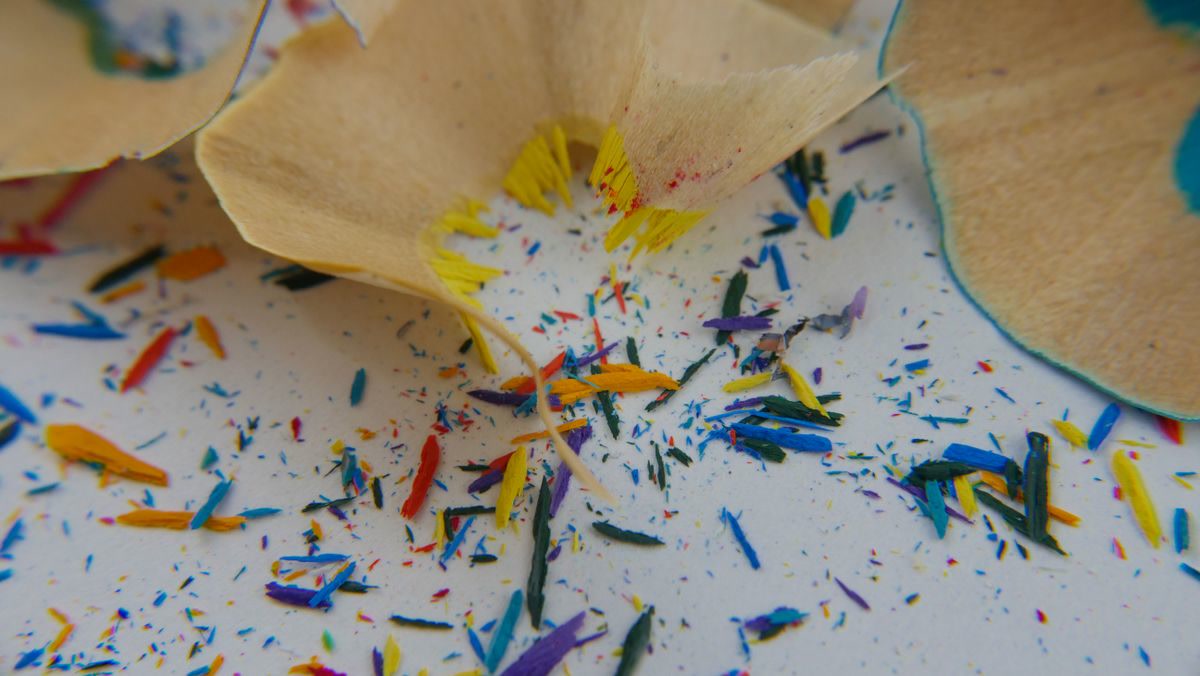
Faber-Castell Polychromos hold a sharp point far better than Prismacolor. The firmer core means you can sharpen to a needle point and maintain it through a longer coloring session. For intricate mandala designs, tiny patterns, and fine line work, this is a significant advantage.
Prismacolor points dull quickly due to the soft wax core. You will sharpen more frequently, which wastes pencil and slows your workflow. For large areas and bold coloring, this is fine. For detailed work in adult coloring books with small spaces, it gets frustrating fast.
Lightfastness
If you plan to display or frame your finished coloring pages, lightfastness matters. Faber-Castell Polychromos have superior lightfast ratings across their range, with most colors rated ASTM I or II (excellent to very good). Prismacolor ratings vary widely by color, with some rated III (fair) or lower.
For coloring book pages that stay in a book or on a fridge, this is not critical. But if you want your work to look the same in five years, Polychromos are the safer choice.
Which Should You Buy?
Choose Prismacolor Premier if:
- You are new to colored pencils and want the best value
- You color primarily in adult coloring books on standard paper
- You prefer smooth, easy blending and bold coverage
- You want the widest color range per dollar
Choose Faber-Castell Polychromos if:
- You want durable pencils that survive travel and frequent use
- You do detailed, intricate work that needs sharp points
- You plan to frame or display finished pieces
- You prefer building color gradually through layering
Buy both if you are serious about coloring. Many experienced colorists use Prismacolor for large areas and blending, then switch to Polychromos for details and sharp lines. The two brands complement each other surprisingly well, and having a 72-color Prismacolor set alongside a 24-color Polychromos set gives you the best of both worlds for about $60 total.
Read unlimited books? With Kindle Unlimited, read as much as you want from 4M+ titles, including thousands of coloring and art books. Try Kindle Unlimited FREE for 2 months
Bottom Line
Prismacolor Premier is the best overall value for adult coloring. The soft core, easy blending, and wide color range make it the most forgiving and enjoyable pencil for coloring book pages. Faber-Castell Polychromos are the premium choice for durability and detail work, worth the extra cost if you color frequently or want your tools to last.
Start with a Prismacolor 72-color set if you are buying your first quality pencils. Add Polychromos in a smaller set later for detail work and you will have a kit that handles anything a coloring book throws at you.
🎨 Get Your Free Stress Relief Coloring Guide
Join our newsletter and get this free printable plus weekly tips.
Price Check
Prices verified via our product tracker. Updated Sep 27.
| Amazon.com : Prismacolor Premier Colored Pencils, Soft Cor | $74.99 | 4.8★ (29,632) |
| Amazon.com: Polychromous Colored Pencil Set In Metal Tin 6 | $79.56 | 4.8★ (4,529) |
| Amazon.com: AS2M (1053121), Long Point Sharpener, sharpens | $8.14 | 4.6★ (2,983) |
As an Amazon Associate we earn from qualifying purchases.