
This article contains affiliate links. We may earn a commission from qualifying purchases.
Some content on this site is AI-assisted and reviewed by our editorial team.
Colored Pencil Accessory Guide: Erasers, Blenders, and Solvents
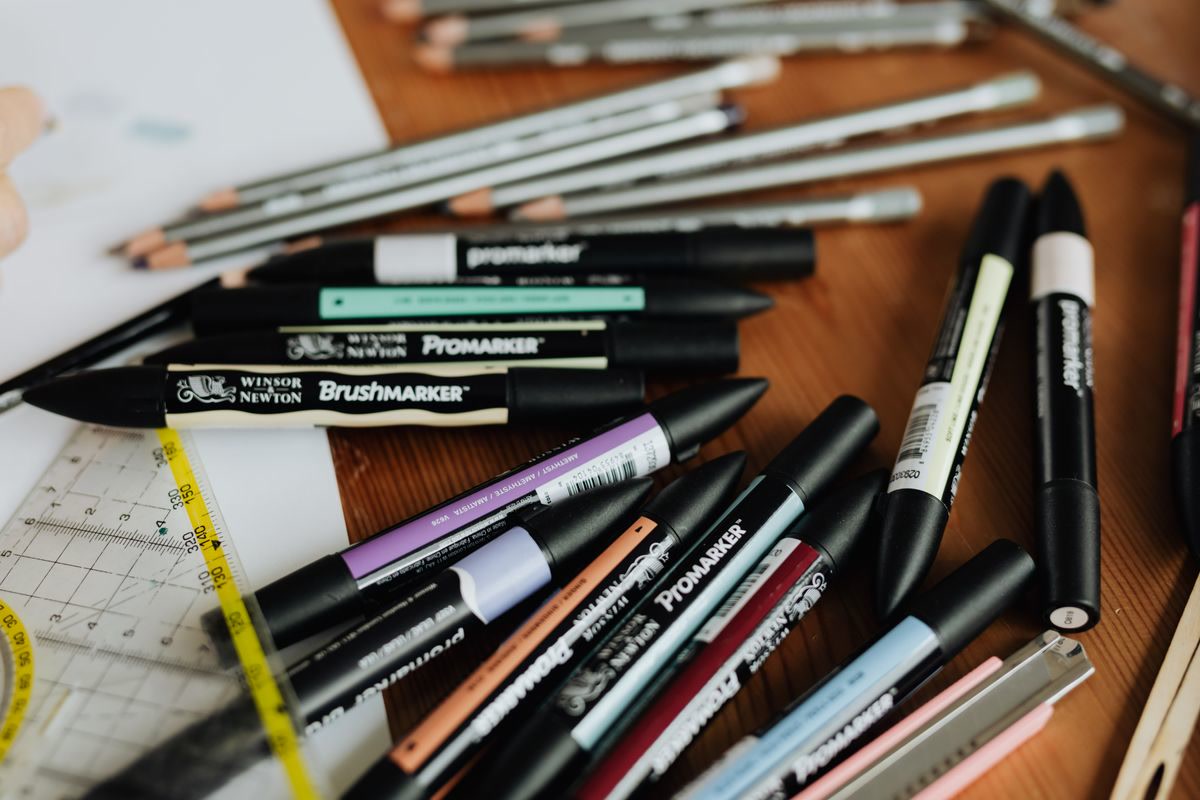
You have a good set of colored pencils. You have paper you like. But something is missing, your blending is patchy, your highlights are muddy, and you cannot fix mistakes without ruining the page. The problem is not your pencils. It is your accessories.
Disclosure: As an Amazon Associate, ColoredCalm earns from qualifying purchases. This post contains affiliate links, which means we may earn a commission if you click through and make a purchase, at no additional cost to you.
Colored pencil accessories are the difference between fighting your materials and working with them. A good eraser lifts pigment cleanly. A colorless blender smooths transitions that layers alone cannot achieve. And a quality solvent turns pencil marks into paint-like washes. None of these are expensive, but the right ones transform your coloring experience.
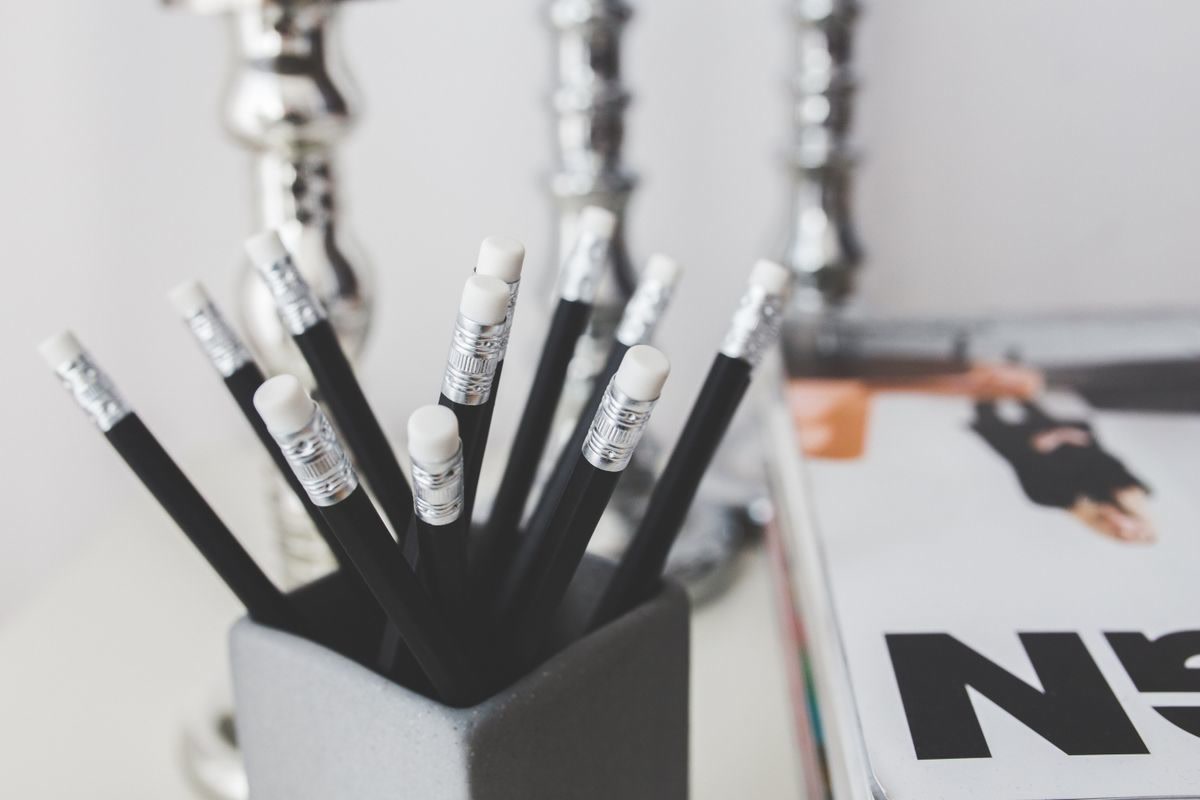
Erasers: Fixing Mistakes and Creating Highlights
Kneaded Eraser
A kneaded eraser is the most versatile eraser for colored pencil work. Unlike a rubber eraser that abrades the paper, a kneaded eraser lifts pigment by gently pressing and lifting, no rubbing required. This means you can lighten areas, create soft highlights, and remove stray marks without damaging the paper surface.
To use a kneaded eraser, press it flat against the area you want to lighten, then lift straight up. The pigment transfers to the eraser. For tighter areas, roll the eraser into a point and dab precisely. When the eraser gets dirty, stretch and fold it a few times to reveal a clean surface.
Kneaded erasers are cheap and last for months. Every colored pencil artist should have one.
Kneaded Eraser, around $2-4
Battery-Operated Eraser
For precision erasing, like cleaning up edges around a mandala or lifting a small highlight in an eye, a battery-operated eraser gives you control that a kneaded eraser cannot match. The spinning tip removes pigment surgically without affecting surrounding areas.
The technique takes practice. Use light pressure and let the eraser do the work, pressing too hard can burnish the paper and make it difficult to reapply color. Start with a small area and test before committing.
Blenders: Smoothing and Unifying Color
Colorless Blender Pencil
A colorless blender pencil is a pencil with a core made of wax or oil binder without any pigment. When you draw over existing colored pencil layers with it, the binder dissolves and redistributes the pigment, creating a smooth, blended surface.
This is the tool for achieving the seamless gradients that make colored pencil work look painterly. Use it after you have built up 3-4 layers of color, the blender needs enough pigment to work with. Apply with light pressure in small circles, and watch the texture smooth out.
The Prismacolor colorless blender is the industry standard. It works with any wax-based pencil, not just Prismacolor. For oil-based pencils like Polychromos, use a blending stump or solvent instead.
Prismacolor Colorless Blender Pencil, around $3-5
Blending Stumps and Tortillons
Blending stumps are tightly rolled paper wands with pointed tips. They work by picking up pigment from one area and smearing it into another, creating soft transitions. Tortillons are similar but looser and more pointed, for tighter areas.
Use blending stumps with oil-based pencils or for detailed work where a blender pencil is too broad. Clean the tip by rubbing it on a piece of scrap paper or using a kneaded eraser to pull out the accumulated pigment.
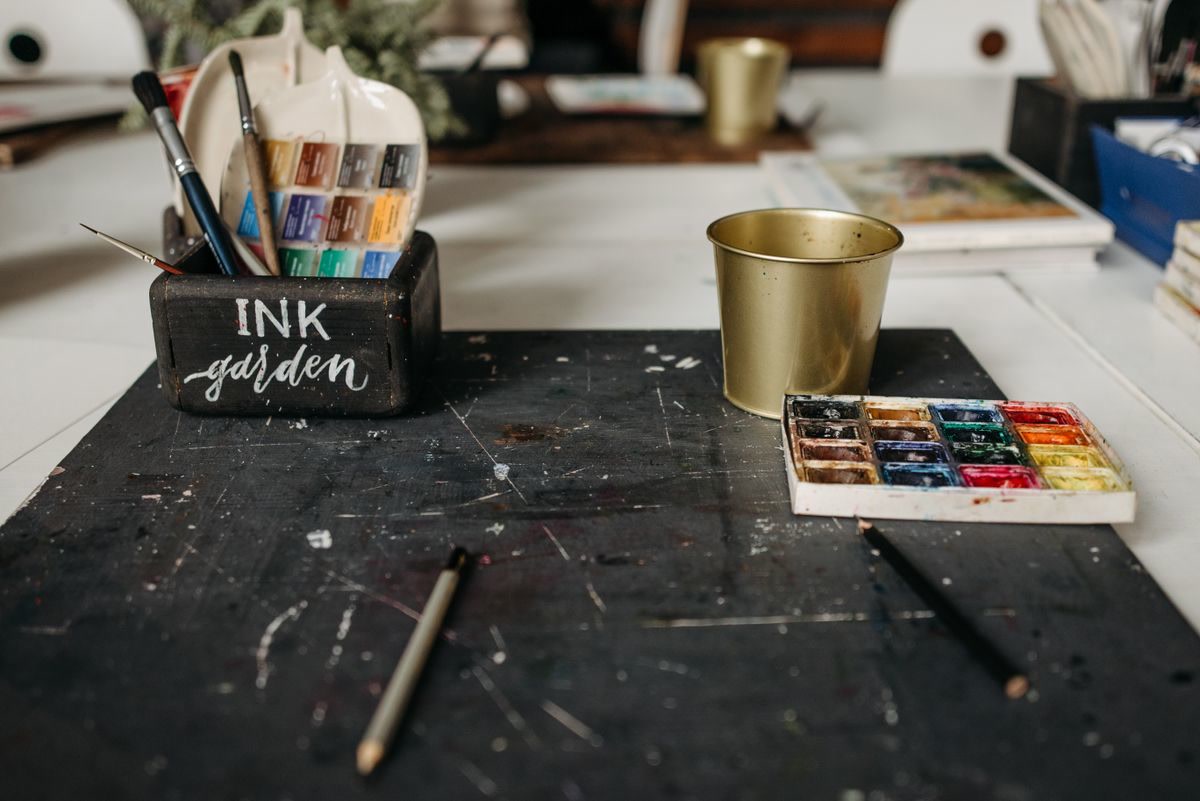
Solvents: Paint-Like Effects with Pencils
Odorless Mineral Spirits
Solvents dissolve the binder in colored pencils, turning dry pencil marks into liquid paint. The result is a completely smooth, brushstroke-free surface that looks like watercolor or oil paint. This technique is called solvent blending, and it is the secret behind the most photorealistic colored pencil art.
Gamsol is the most popular odorless mineral spirit for artists. It is highly refined, minimally toxic, and does not leave a residue. To use it, apply your colored pencil layers as usual, then use a small brush dipped in Gamsol to paint over the area. The pigment dissolves and smooths out instantly.
Use solvent blending in a well-ventilated area, and keep the bottle closed when not in use. A little goes a long way, a 2-ounce bottle lasts for months of regular use.
Gamsol Odorless Mineral Spirits, around $10-15
Rubbing Alcohol
If you want to try solvent blending without buying mineral spirits, rubbing alcohol (70% isopropyl) works with most colored pencils. It is less effective than Gamsol, it does not dissolve wax-based pencils as completely, but it is cheaper, safer, and available at any pharmacy.
Use a cotton swab or small brush to apply. The effect is subtler than mineral spirits: it softens texture and smooths transitions without completely dissolving the pigment. For coloring book pages, this subtlety is often exactly what you want.
Sharpeners: The Foundation of Good Technique
No accessory guide is complete without mentioning sharpeners. A dull pencil tip makes every technique harder, blending becomes muddy, highlights become imprecise, and layering becomes patchy. The Kum long-point sharpener produces a long, fine point that is essential for detailed coloring work. It has two holes: one for stripping the wood and one for sharpening the core, which preserves the pencil and reduces breakage.
Not a Prime member yet? Get FREE 2-day shipping on millions of items, plus access to Prime Video, Prime Music, and Prime Reading. Start your 30-day Prime free trial
Bottom Line
You do not need every accessory on this list. But three of them will change your coloring immediately: a kneaded eraser for lifting and highlighting, a colorless blender pencil for smooth gradients, and a Kum sharpener for consistent tips. Add Gamsol when you are ready to try paint-like blending. None of these costs more than $15, and together they will improve your coloring more than upgrading to a more expensive pencil set.
🎨 Get Your Free Stress Relief Coloring Guide
Join our newsletter and get this free printable plus weekly tips.
Price Check
Prices verified via our product tracker. Updated Sep 27.
| Amazon.com: Faber-Castell Kneadable Eraser for Artists in | $35.00 | 4.7★ (21,212) |
| Amazon.com: Gamsol Odorless Mineral Spirits 128 oz | $61.18 | 4.9★ (357) |
| Amazon.com: AS2M (1053121), Long Point Sharpener, sharpens | $8.14 | 4.6★ (2,983) |
As an Amazon Associate we earn from qualifying purchases.