This article contains affiliate links. We may earn a commission from qualifying purchases.
Some content on this site is AI-assisted and reviewed by our editorial team.
Animal <a href="https://coloredcalm.com/fix-<a href="https://coloredcalm.com/summer-Coloring-setup-how-to-create-the-perfect-outdoor-and-travel-coloring-station/”>Coloring-mistakes-without-starting-over-2/”>Coloring Books for Adults: Why Coloring Wildlife Is the Most Popular Niche of All
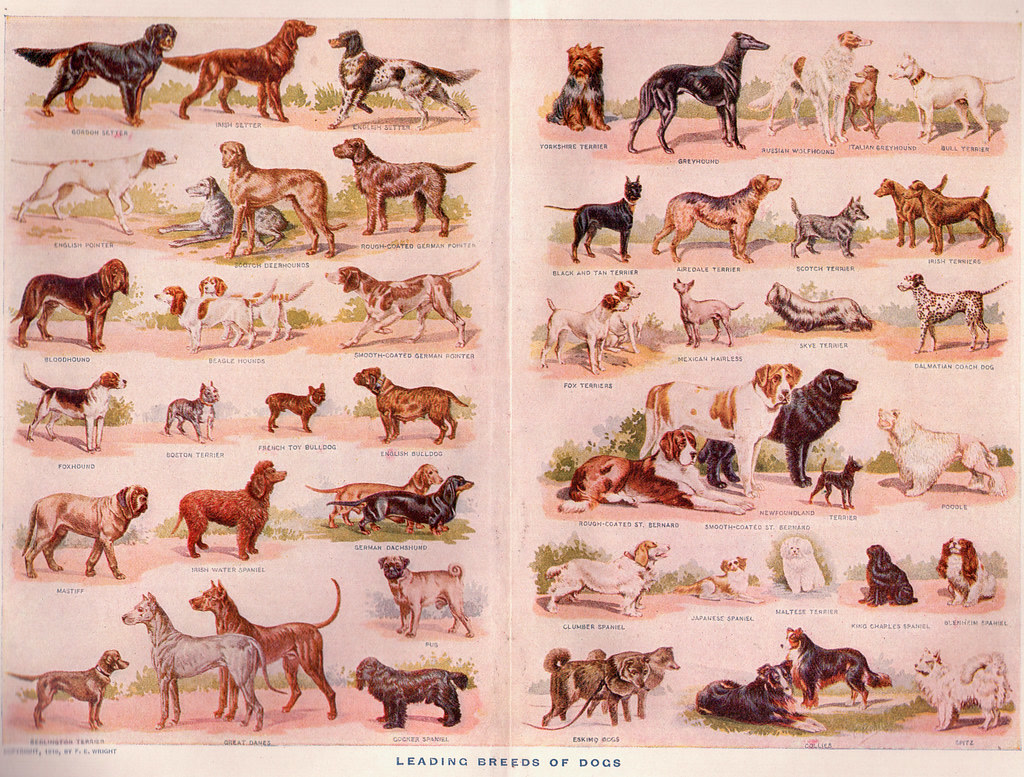
Animal coloring books outsell every other category in adult coloring. Not mandalas, not florals, not geometric patterns, animals. From realistic wildlife portraits to cute cartoon cats, animal designs dominate the adult coloring market, and they have since the beginning of the trend. There is a simple reason for this: animals are inherently fascinating to look at and deeply satisfying to color. The variety of textures, patterns, and colors in the animal kingdom gives you more creative freedom than any other subject.
If you have been coloring mandalas and floral designs and are ready for something different, or if you are new to adult coloring and want to start with the most popular category, here is everything you need to know about animal coloring books for adults.
Why Animal Coloring Books Are So Popular
Natural Variety
Every animal is a different coloring challenge. A lion has fur texture. A butterfly has symmetrical wing patterns. A peacock has iridescent feathers. A sea turtle has layered shell scutes. This variety keeps animal coloring books interesting across dozens of pages, you never feel like you are coloring the same thing over and over, because every animal presents a different texture, palette, and set of decisions.
Creative Freedom
While a mandala is abstract and a flower is limited to realistic greens and pinks, animals can be colored in any way you want. You can go realistic, a lion in golden savanna tones, a peacock in iridescent blues and greens. Or you can go fantastical, a purple tiger, a rainbow owl, a blue fox with silver markings. Both approaches look good because the underlying animal drawing is compelling regardless of color choice. This creative freedom is part of what makes animal coloring so addictive.
Emotional Connection
People love animals. There is an emotional response to coloring a wolf staring out of a snowy forest, an elephant walking across a savanna, or a hummingbird hovering over a flower, that you simply do not get from coloring a geometric pattern. You are not just filling in shapes, you are bringing a living creature to life on the page. That emotional engagement keeps you absorbed in the coloring process for longer and makes the finished result more meaningful.
Types of Animal Coloring Books
Realistic Wildlife Portraits
These books feature detailed, lifelike animal illustrations, the kind that look like they belong in a nature magazine. They are the most challenging type of animal coloring book because the realism demands careful color work. You cannot just fill a lion with random colors, the proportions and shading are meant to mimic real fur, real eyes, real anatomy. The Realistic Animals and Landscapes Coloring Book combines wildlife portraits with natural backgrounds, giving you both the animal and its habitat to color.
Forest and Woodland Wildlife
If you prefer gentler, more pastoral scenes, forest wildlife coloring books feature deer, foxes, owls, rabbits, bears, and woodland birds in natural settings. The Forest Wildlife Coloring Book features beautiful woodland scenes with enough detail to be engaging without being so intricate that they become frustrating. These books are a great middle ground, more detailed than cute animals, less demanding than photorealistic wildlife.
Bold and Easy Animals
If you want something relaxing rather than challenging, bold and easy animal books have larger sections and simpler designs. The Wild Animals Coloring Book for Adults offers stress-relief designs that are bold and satisfying without the fine detail that makes some animal books exhausting. This is a good choice for evening coloring or for days when you want results without effort.
Techniques for Coloring Animals
Fur Texture
Fur is the signature challenge of animal coloring. The trick is to use short, directional strokes that follow the direction of the fur growth, rather than filling the area with solid color. Use a light touch and build up layers, varying the pressure to create depth. For a lion’s mane, start with a light golden base, then add darker strokes in the direction the fur flows, then add individual darker strands on top for detail.
Eyes That Look Alive
The eyes are what make an animal illustration feel real. Take extra care with the eyes, they are worth more time than any other part of the page. Start with a dark pupil, add a colored iris ring around it, and leave a small white spot for the highlight. The white highlight is what makes the eye look wet and alive. Without it, the eye looks flat and dead.
Layered Textures
Many animals have multiple textures, a butterfly has smooth wing sections and fuzzy body segments, a bird has smooth beak and feathered body. Use different coloring techniques for each texture within the same animal. Smooth, even strokes for sleek areas. Short, directional strokes for fur and feathers. Solid, flat color for shells and scales. The contrast between textures is what makes the finished animal look dimensional.
Color Palettes for Popular Animals
If you are going for realism, here are reference palettes for commonly colored animals:
| Animal | Base Color | Shadow | Highlight |
|---|---|---|---|
| Lion | Golden tan | Dark brown | Cream |
| Peacock | Teal | Deep blue | Gold |
| Fox | Orange-red | Dark brown | White |
| Elephant | Gray | Dark gray | Light gray |
| Owl | Brown | Dark brown | Cream |
| Sea turtle | Olive green | Dark green | Pale yellow |
Or you can ignore all of this and color your lion purple. That is the joy of animal coloring, the drawing is compelling enough that any color palette works.
An Animal Coloring Starter Kit
- Realistic Animals and Landscapes Coloring Book, for detailed wildlife portraits
- Forest Wildlife Coloring Book, for gentler woodland scenes
- Crayola 100-Count Colored Pencils, the wide range handles any animal palette
Under 35 dollars for access to the most popular, most varied, and most emotionally engaging category in adult coloring.
Bottom Line
Animal coloring books are the bestselling category in adult coloring for a reason. They offer more variety, more creative freedom, and more emotional engagement than any other subject. The textures, the colors, the eyes, every page is a new challenge and a new opportunity to bring something alive on paper. Whether you prefer photorealistic wildlife, gentle forest scenes, or bold and easy designs, there is an animal coloring book that will pull you in and keep you coloring for hours.
Start with one book. Pick the animal that most appeals to you, a lion, a fox, a butterfly, an owl. Color its eyes first. Then step back and watch how a few strokes of color transform a drawing into something that seems to look back at you. That moment is why animal coloring is the most popular niche in adult coloring, and why it will still be the most popular long after the trends have moved on.
🎨 Get Your Free Stress Relief Coloring Guide
Join our newsletter and get this free printable plus weekly tips.