This article contains affiliate links. We may earn a commission from qualifying purchases.
Some content on this site is AI-assisted and reviewed by our editorial team.
Mandala <a href="https://coloredcalm.com/best-Coloring-bags-and-totes-for-taking-your-supplies-on-the-go-2/”>Coloring for Beginners: Why the Oldest Coloring Tradition Is Still the Best Stress Relief
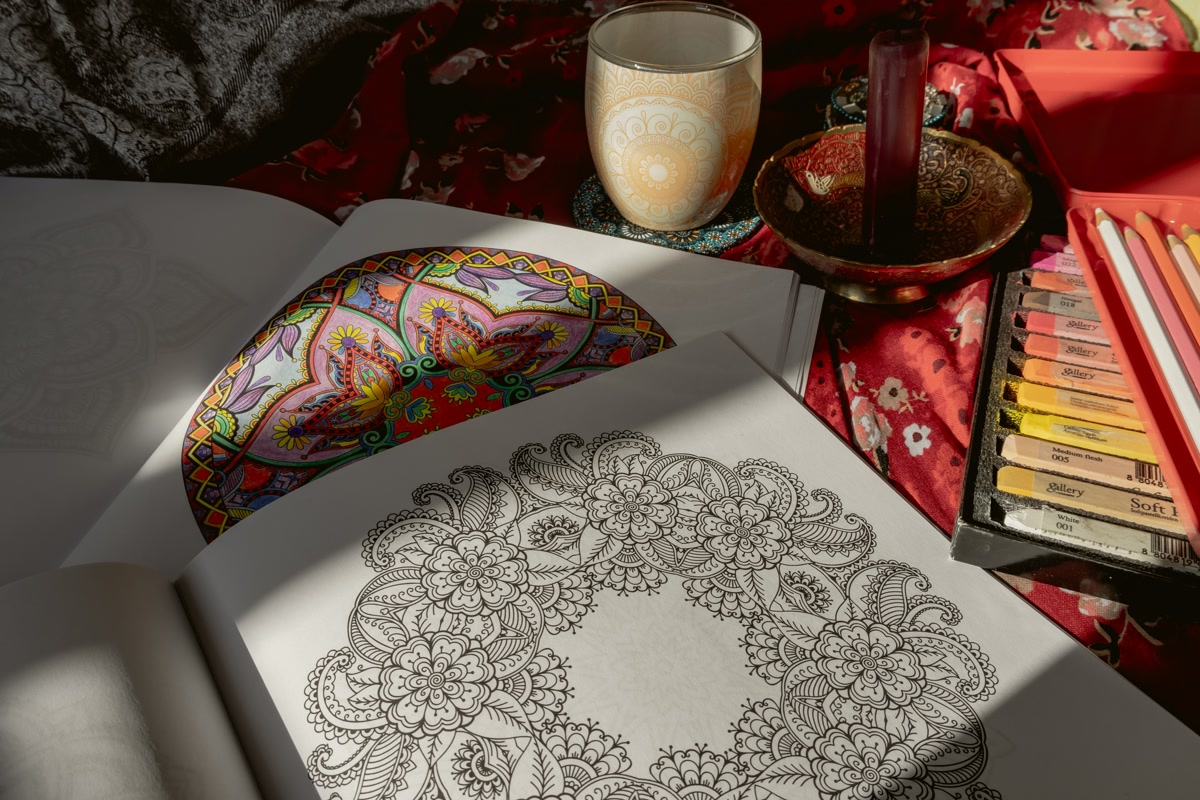
The mandala is the oldest and most enduring design in adult coloring. Long before Coloring Books became a wellness trend, people were coloring mandalas, circular geometric patterns that have been used for meditation and spiritual practice for thousands of years across cultures from Tibet to Native America. When adult coloring books first became popular in 2015, mandalas were the design that launched the trend. A decade later, they are still the bestselling category in adult coloring.
There is a reason mandalas have survived every coloring trend that has come and gone. They work. The circular, symmetrical, repeating patterns create a coloring experience that is uniquely meditative, and no other design type delivers the same combination of visual satisfaction and mental calm. If you have never tried mandala coloring, or if you tried one and did not understand the appeal, here is what you are missing and how to get it right.
What Makes Mandalas Different
Radial Symmetry
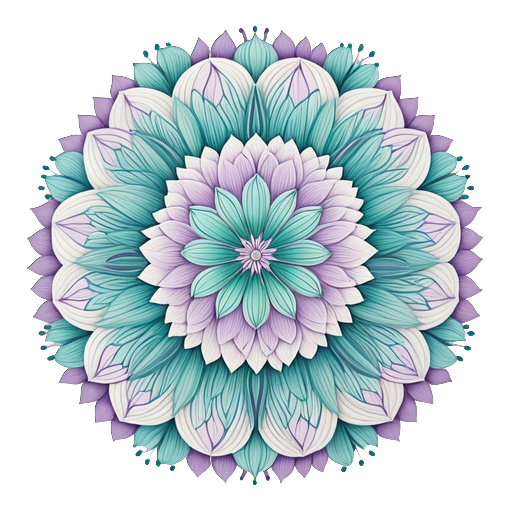
Mandalas are radially symmetrical, every section repeats around a central point like the spokes of a wheel. This is fundamentally different from regular coloring, where every part of the page is a different shape. With a mandala, once you color one section, you know exactly what the rest of the sections will look like, they are the same shape, just rotated. This creates a rhythmic, repetitive coloring experience that is inherently meditative. You fall into a pattern: color a section, rotate, color the next section, rotate. It is the visual equivalent of a mantra.
No Right or Wrong Colors
Mandalas are abstract. There is no sky that has to be blue, no leaf that has to be green. Every color choice is valid, which removes the anxiety that comes with realistic coloring. You can use any palette you want, warm jewel tones, cool blues and purples, a full rainbow, or a single color repeated throughout. The mandala does not look wrong no matter what you choose. This creative freedom is part of why mandala coloring is so relaxing, there is no decision anxiety, only the pleasure of filling shapes with color.
A Natural Completion Journey
A mandala has a clear structure: you start at the center and work outward, or start at the outer edge and work inward. Either way, you are moving along a path with a clear beginning and end. This gives each coloring session a sense of journey and completion that regular coloring pages do not have. When you finish a mandala, you have created something complete and symmetrical, a visual object that feels balanced and whole.
Choosing Your First Mandala Coloring Book
For Volume and Variety: 100 Mandalas
The 100 Mandalas Coloring Book is the best value mandala book available. With 100 designs ranging from simple to complex, it gives you plenty of variety to explore without buying multiple books. Start with the simpler designs and work your way up to the more intricate ones as your confidence grows. This is the book to get if you are not sure whether mandala coloring is for you, you will know long before you finish all 100 designs.
For Bold and Easy Coloring
If you find some mandala designs too intricate, look for bold and easy versions with thicker lines and larger sections. The Mandala Coloring Book for Adults Volume 1: 50 Bold and Easy Designs features mandalas with bigger shapes and heavier lines that are easier to color and less intimidating for beginners. They are also better if you prefer using markers over pencils, since the larger sections are more satisfying to fill with broad strokes.
For Premium Quality: Hardcover Spiral Bound
If you want a mandala book that feels like a proper art book, the Mandala Coloring Book for Adults: Hardcover Spiral Bound offers a premium experience. The spiral binding means the book lies completely flat, no fighting with a spine that keeps closing, and the hardcover protects your work. The designs are printed on heavier paper that handles markers and light watercolor without bleeding. This is the book for someone who has fallen in love with mandala coloring and wants an upgrade.
How to Color a Mandala: Three Approaches
1. The Symmetrical Approach
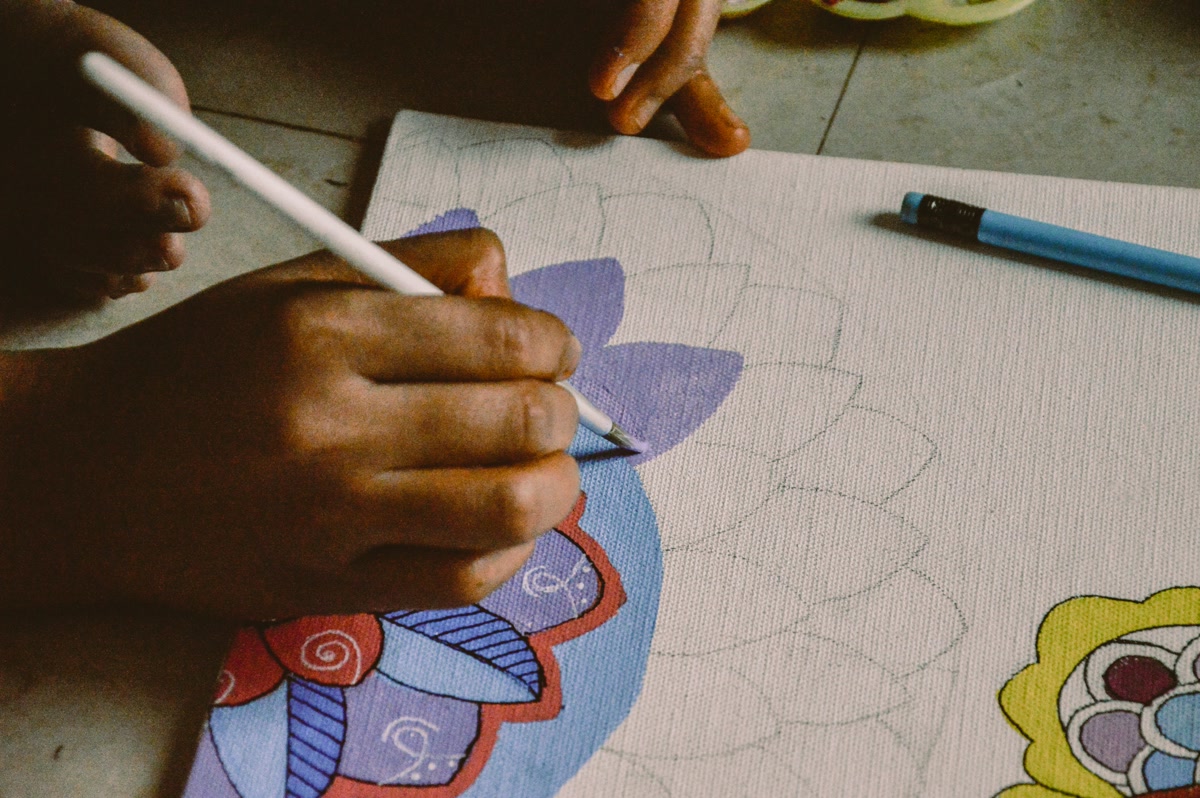
Color each repeating section identically. If the mandala has eight identical wedges radiating from the center, color all eight wedges with the same pattern. This creates a perfectly symmetrical finished piece that looks like a stained glass window or a kaleidoscope image. It is the most traditional approach and the most visually satisfying, the symmetry is part of what makes mandalas powerful.
2. The Gradient Approach
Color each section with a slightly different shade, creating a gradient that flows around the circle. Start with one color, transition to a related color in the next section, and continue around the mandala until you return to your starting color. This creates a flowing, seasonal feel, like spring greens transitioning to summer yellows to autumn oranges. It is less formal than the symmetrical approach but equally beautiful.
3. The Free Approach
Ignore symmetry entirely. Color each section however you feel like it, using any color that appeals to you in the moment. This is the most creative and least structured approach, and it produces mandalas that look like joyful, chaotic celebrations of color rather than precise geometric art. There is no wrong way to do this, the mandala will still look good because the underlying structure is so strong.
Color Schemes That Always Work
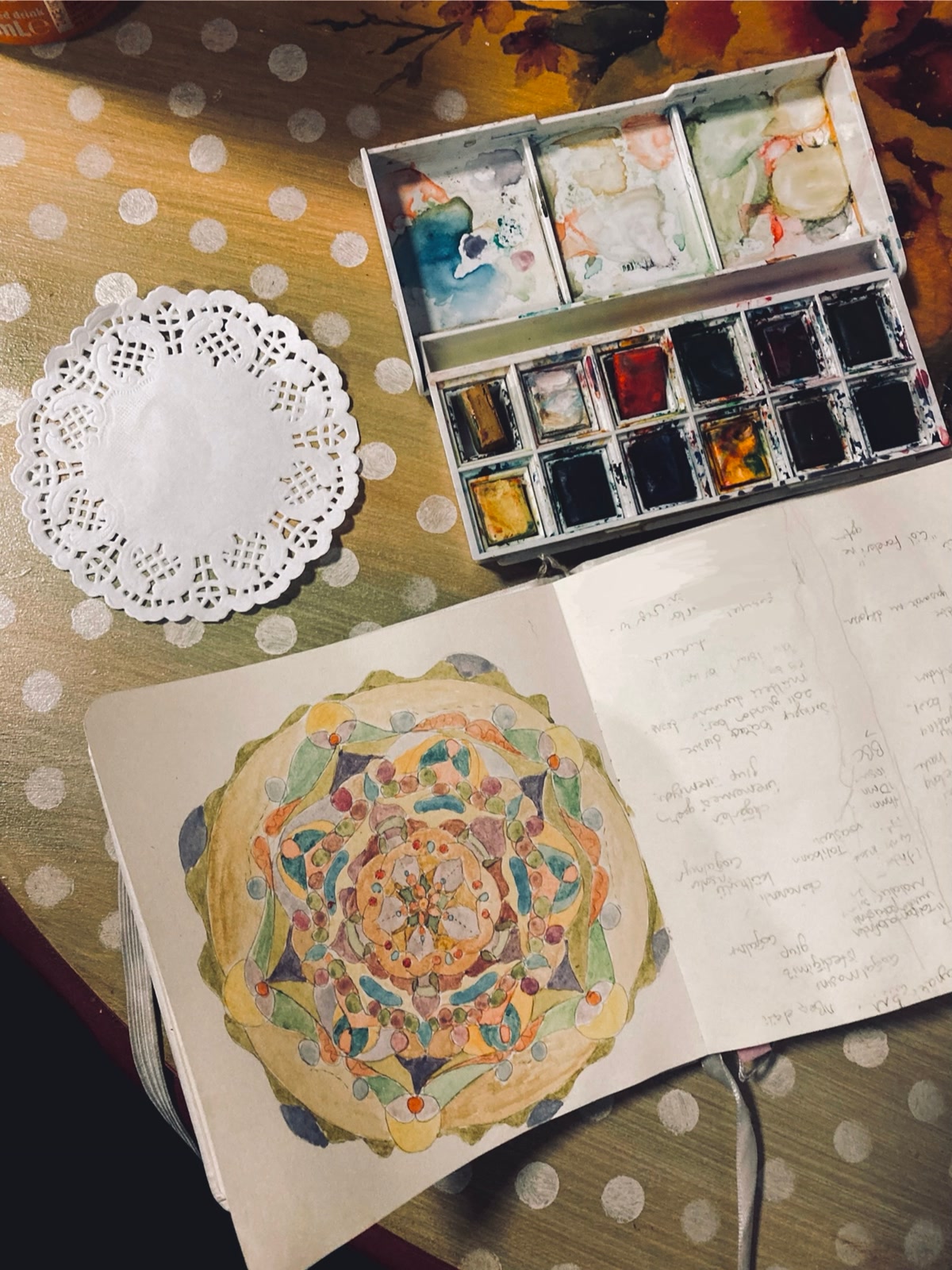
If you are staring at a blank mandala and do not know where to start, here are three color schemes that always look good:
The Jewel Tone Palette
Deep blues, rich purples, emerald greens, ruby reds, and warm golds. This is the classic mandala palette and it looks stunning every time. Choose 5 to 6 jewel tones and repeat them in symmetrical sections.
The Monochrome Palette
Choose a single color and use 5 to 6 shades of it, light to dark. A blue mandala using pale blue, sky blue, medium blue, royal blue, navy, and midnight creates a cohesive, oceanic feel. This is the easiest palette for beginners because everything automatically matches.
The Complementary Palette
Choose two complementary colors (colors opposite each other on the color wheel: blue and orange, red and green, purple and yellow) and alternate them. The high contrast creates a vibrant, energetic mandala that pops visually.
The Meditative Aspect: Why Mandala Coloring Feels Different
Mandala coloring has a long association with meditation and mindfulness practice. Carl Jung, the Swiss psychiatrist, had his patients draw and color mandalas as a way to access their unconscious minds, and he saw the circular form as a symbol of the self. In Tibetan Buddhism, mandalas are created as a meditation practice and then destroyed to symbolize impermanence.
You do not need to be spiritual about it to get the meditative benefit. The structure of mandala coloring, the symmetry, the repetition, the gradual filling of a circular space, naturally creates a meditative state. Your breathing slows. Your thoughts settle. Time passes differently. Many colorists report that twenty minutes of mandala coloring feels like ten, and that they emerge from a session feeling the way you feel after a good meditation, calm, clear, and oddly refreshed.
A Mandala Coloring Starter Kit
- 100 Mandalas Coloring Book, the best first mandala book, 100 designs at every difficulty level
- Crayola 100-Count Colored Pencils, more than enough colors for any mandala palette you choose
Under 25 dollars for access to the oldest, most enduring, and most meditative form of adult coloring.
Bottom Line
Mandalas are the foundation of adult coloring for a reason. They combine visual beauty, creative freedom, and meditative rhythm in a way that no other design type matches. They are beginner-friendly because there are no wrong colors, they are endlessly replayable because every color scheme creates a completely different look, and they are genuinely therapeutic in a way you can feel from your first session.
Start with one mandala book and the pencils you already own. Color one simple design, working from the center outward, using whatever colors feel right. When you finish and look at the completed circle, you will understand why this design has lasted a thousand years.
🎨 Get Your Free Stress Relief Coloring Guide
Join our newsletter and get this free printable plus weekly tips.