This article contains affiliate links. We may earn a commission from qualifying purchases.
Some content on this site is AI-assisted and reviewed by our editorial team.
Autumn leaves are the most tempting subject in adult coloring and the fastest way to end up with a muddy page. Every colorist has done it: grab orange, scribble the leaf, try to add yellow, watch the whole thing turn brown, and quietly decide the page was “supposed to look rustic.” The problem isn’t your skill — it’s that a real autumn leaf holds four to six distinct color stages at once, and most of us are taught to color it with one or two.
The good news: leaves are actually one of the most forgiving subjects to layer, because nature already blurred the transitions for you. Here is the five-layer method that keeps the color bright, and the paper that makes or breaks it.
The Five-Layer Leaf Method
Layer 1 — Yellow under everything. Pick a warm yellow (Prismacolor 917 Pale Yellow or similar) and lay a flat, light-pressure base over every leaf, even the parts you plan to finish deep red. This is the trick almost everyone skips: yellow is the “light channel” that keeps red and orange transparent instead of brick-dark. Use the side of a sharpened point, oval strokes, about 30% of the pressure you think you need, and leave small pale gaps where a highlight should live.
Layer 2 — Orange into the body. With a mid-orange (PC 918), build tone from each leaf’s outer edge inward, stopping about a third of the way to the center, where the yellow should still glow. Keep the same stroke direction as layer one. Two light passes beat one heavy pass; if you can hear the pencil scratching, you’re pushing too hard.
Layer 3 — Red only at the turn. Add a burnt red or sienna (PC 923 Scarlet Lake or 917-adjacent darks) at the leaf tips, the stem end, or along the curl of a folded leaf — the places where an actual leaf turns color first. Feather it outward so it melts into the orange with no visible boundary. This is what makes a page look “seasoned” rather than flat.
Layer 4 — Shadow with a temperature drop. The mistake: reaching for black. Instead use a slate or dark brown (PC 948 Sepia or the Hue 1080 family) under leaf edges that overlap each other and beneath the leaf pile where it meets the ground. Shadows on foliage read warm. Black kills the layering you just built.
Layer 5 — Burnish, then re-declare. Go back over the whole leaf with the original yellow, heavier pressure now, to meld the layers and fill the tooth. Once the surface is slick, re-add the tiniest red accents on top. Burnishing with a light color — never white first on leaves — is what separates “colored” from “colored well.”
Choosing Which Leaves Turn First
A page of identical orange leaves looks printed. Real piles are a color schedule: maples flame red-orange first, oaks hold rust and brown longest, and scattered yellow birch leaves stay lightest. On my page I make about a third of the leaves deep red-orange, a third mid-orange with yellow centers, and the rest mostly yellow with just red tips — the mixed pile is what sells autumn. Under-lit leaves (the ones facing up toward the “sun”) get the yellow treatment pushed brightest; leaves lying flat in shadow stay deeper.
The Paper Question — Why Your Layers Went Muddy
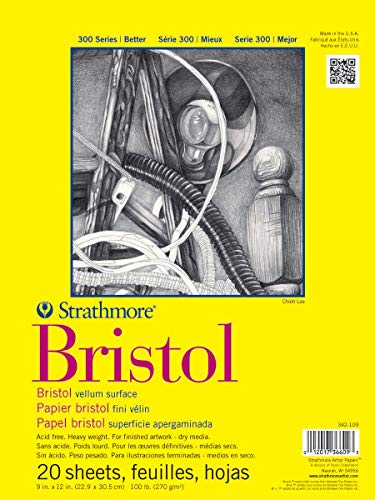
If layers 1 through 3 keep sliding into each other, the paper is the culprit, not your hands. Five layers of pencil need tooth — a slight bite in the surface that grabs pigment — and smooth office or printer paper can swallow only one or two layers before everything smears into brown. A dedicated pad earns its price here. For the money, the Strathmore 300 Series Bristol pad (about $11, 100 lb vellum surface) is the sweet spot — vellum’s fine tooth grabs layer after layer without wax buildup, and 20 sheets last a season. If you color dark and want maximum layering room, the Strathmore 400 Series Artagain Coal Black pad (about $13) flips the method: leaf colors pop off the black ground like stained glass, and you skip the background problem entirely. For pure budget practice, a lighter-weight drawing pad in the same series (about $8) takes two layers happily while you learn the stroke rhythm.
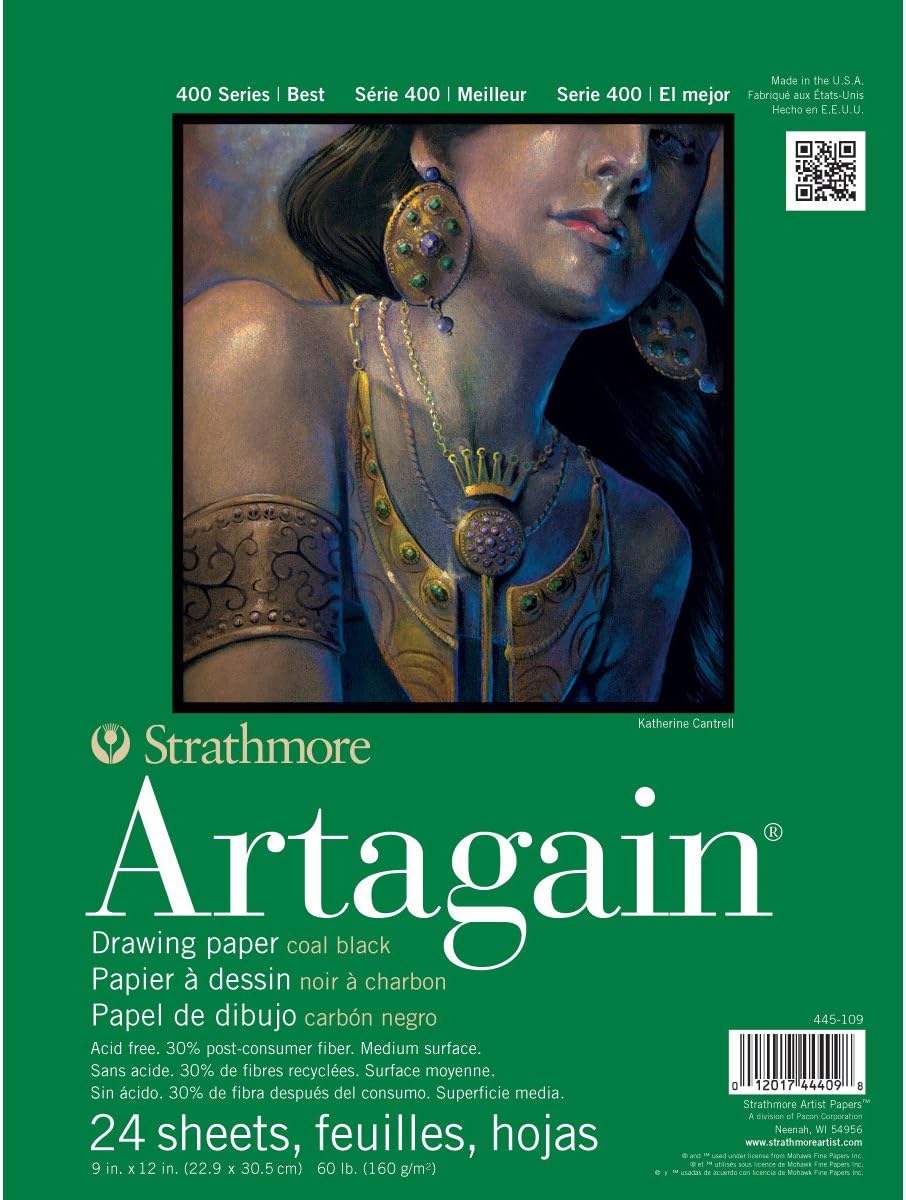
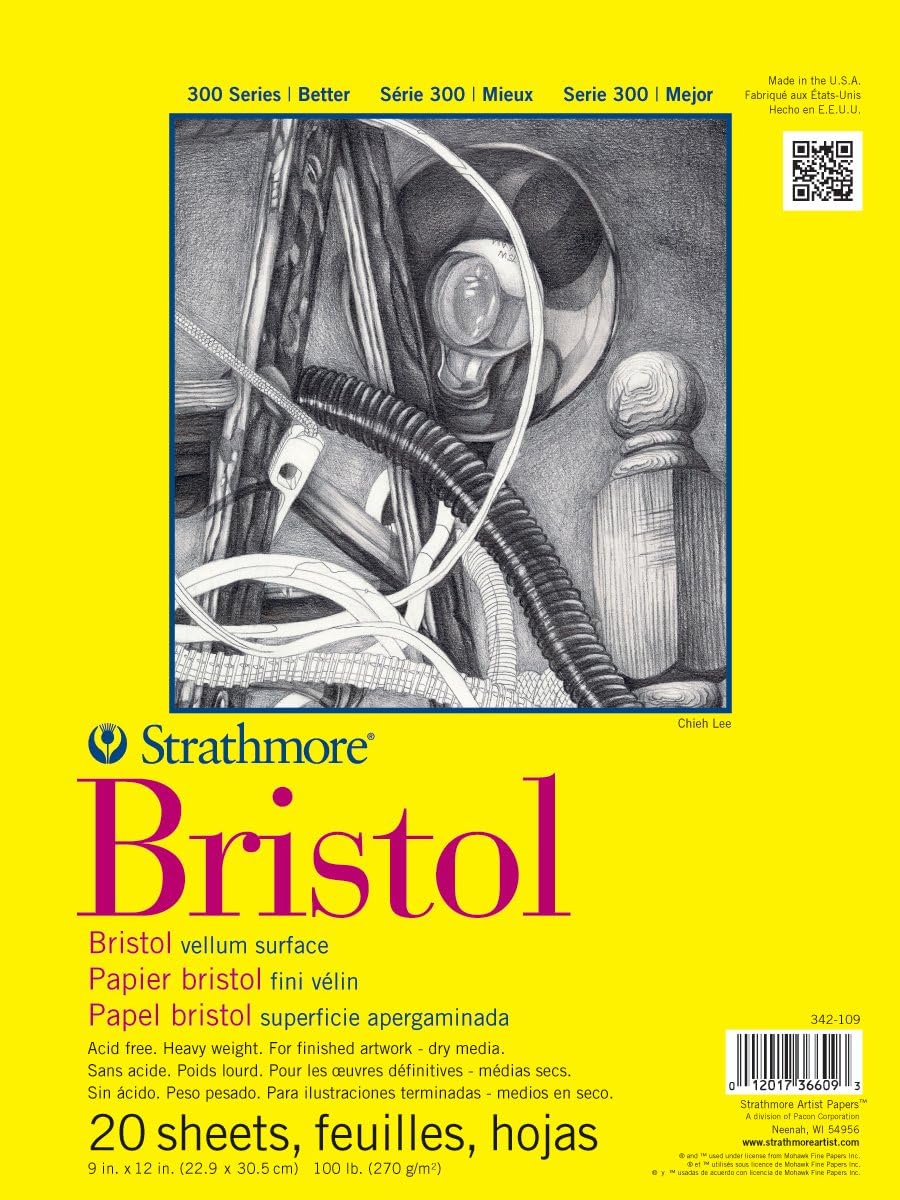
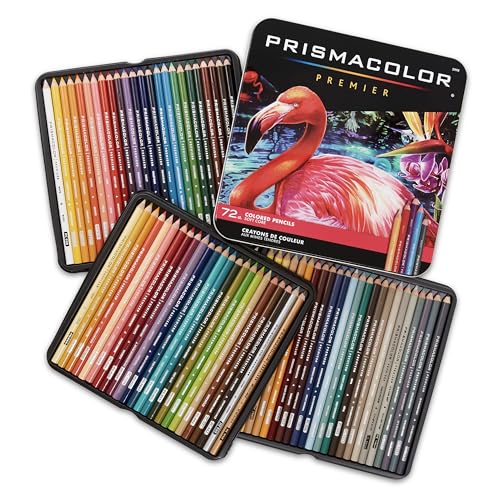
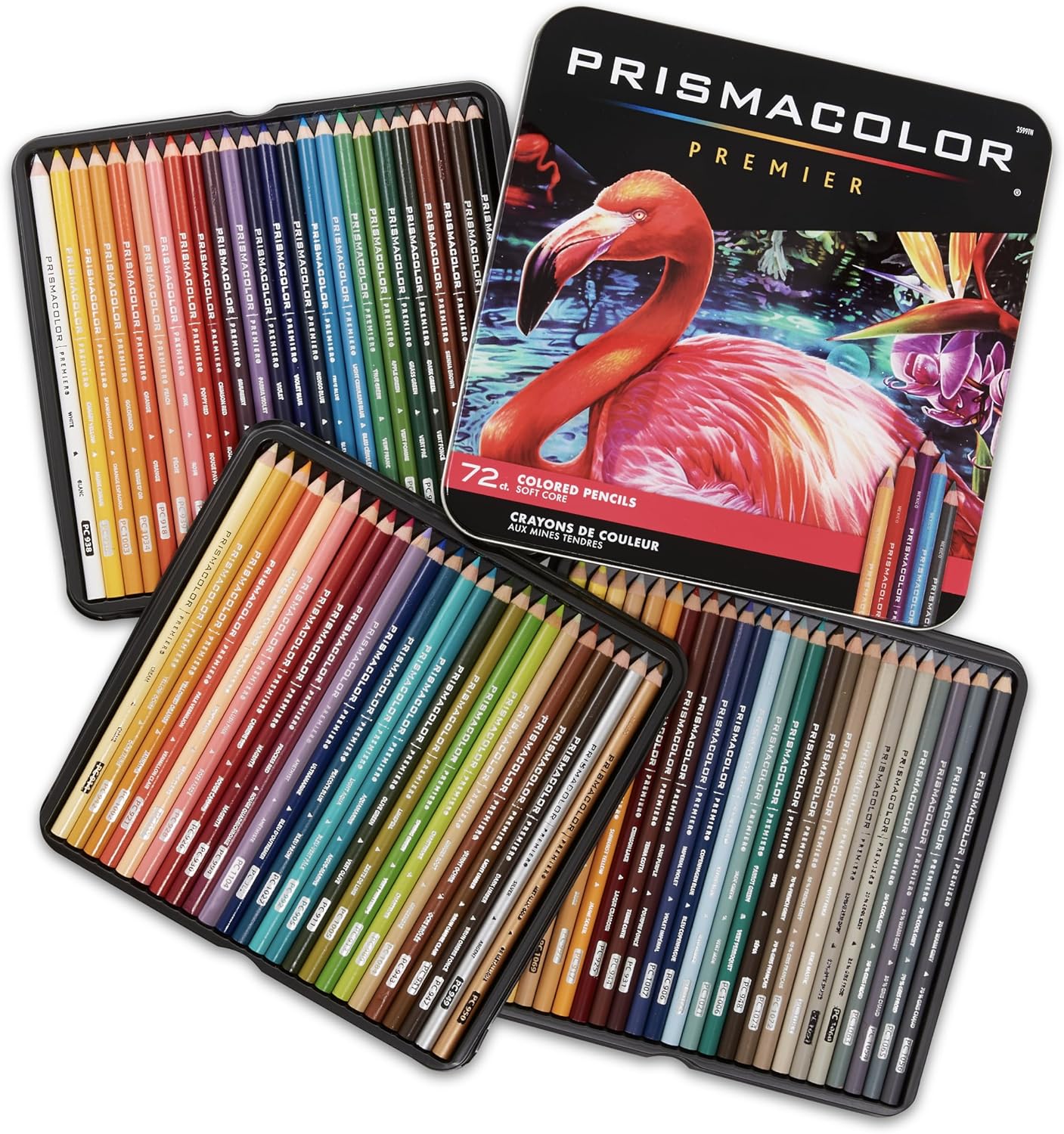
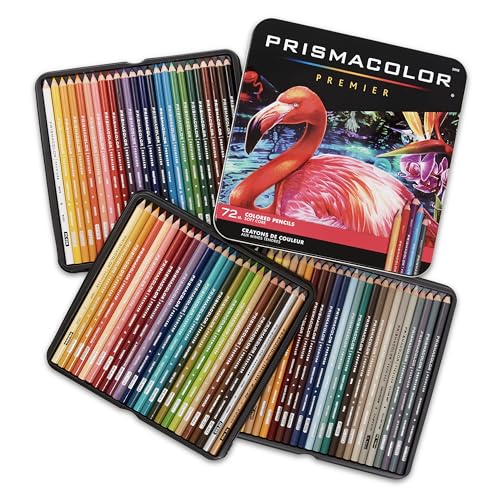
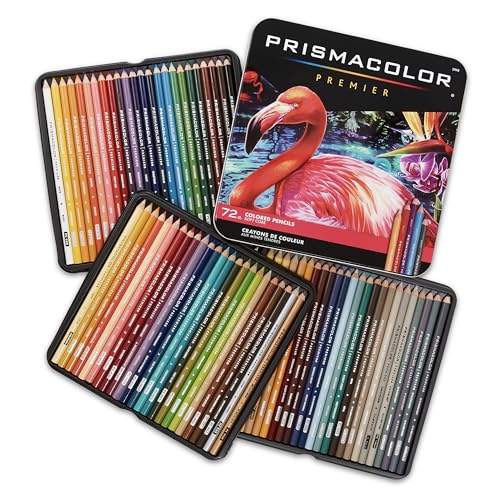
Pencils: any oil- or wax-based student line handles the five layers. The Prismacolor Premier 72 set covers every hue in the method (the 917/918/923 trio plus sepia), and on Amazon it fluctuates between about $45 and $75 — wait below $55 if you can. A 24-count set with a yellow, orange, red-brown, and dark brown added separately also works if you’re starting out.
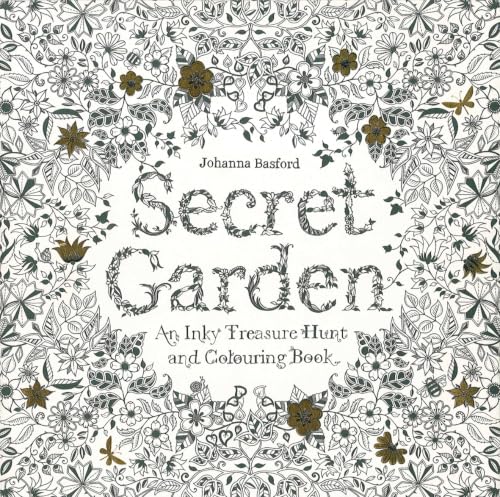
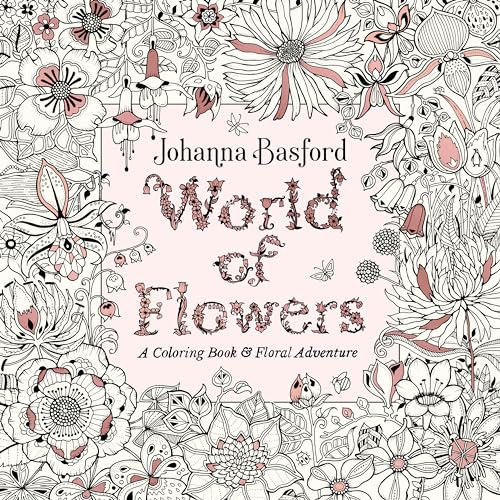
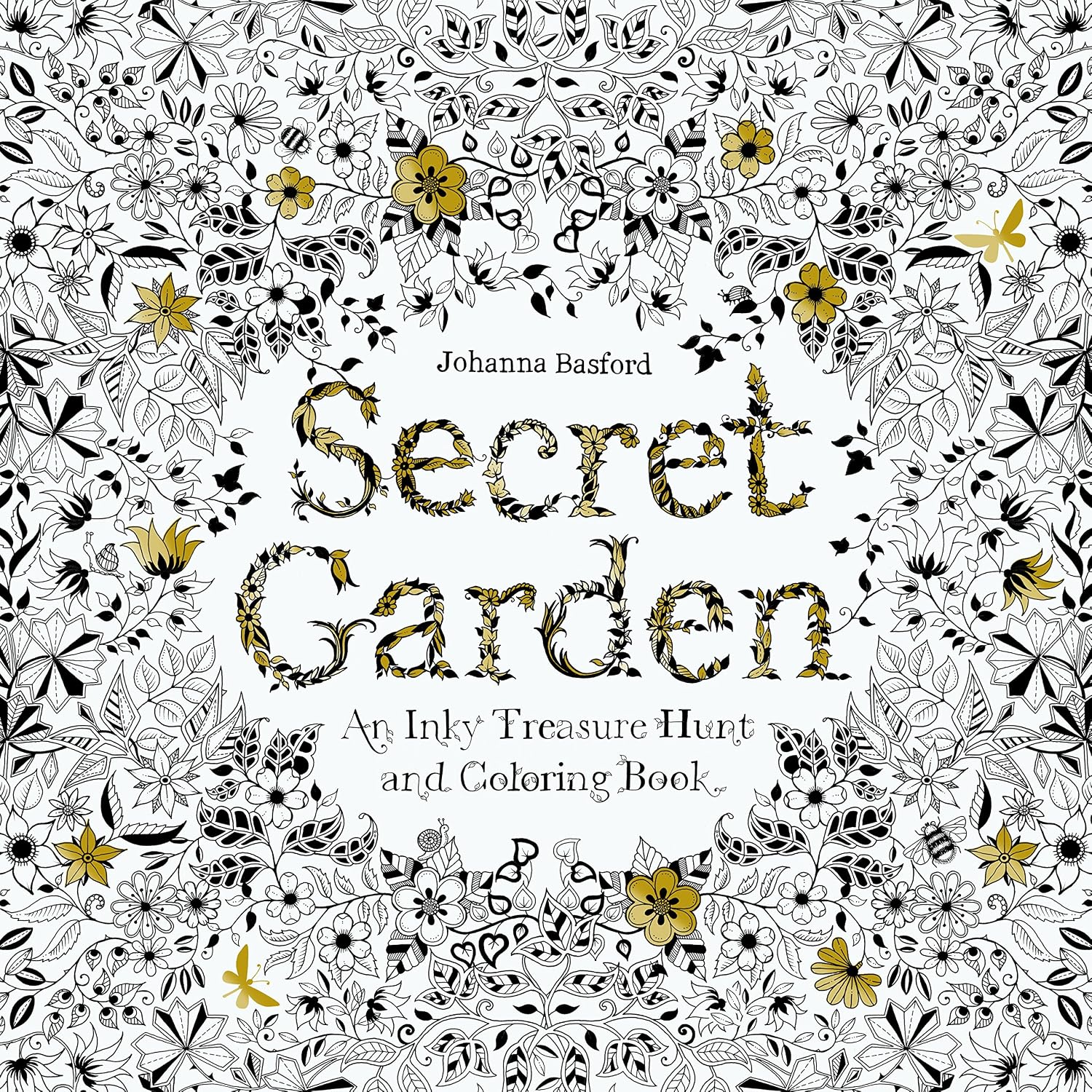
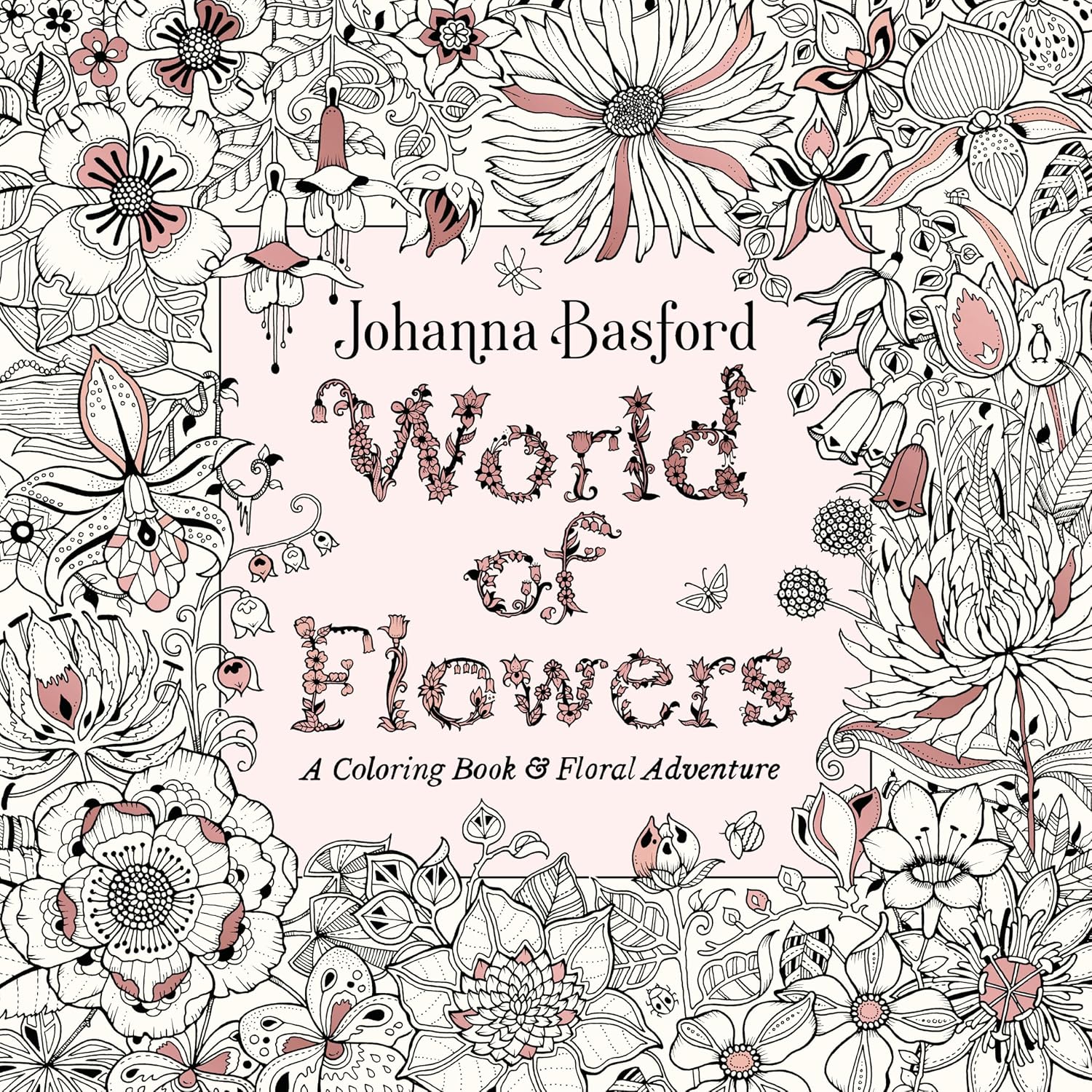
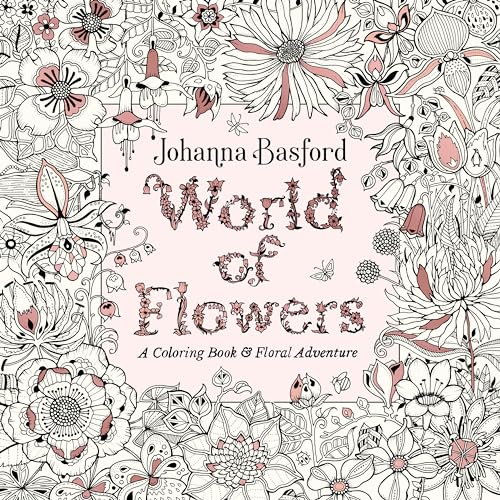
And the pages themselves: leaf and wreath spreads in a good book carry the open line work the five-layer method deserves, which is exactly what our best fall coloring books for adults 2026 guide picked out this morning. Botanical ground zero is Johanna Basford’s World of Flowers (about $17) — its big leaf and wreath pages are the best five-layer practice pages in print — and her Secret Garden (about $16) adds vines and trellises where the mixed-pile color schedule really sings. One honest note: both are colored-pencil books; gel pens and markers bleed right through the thin double-printed pages.
Common Mistakes (And the Fix)
- Skip the yellow base. Without layer 1, every other layer darkens to brick. Yellow is the light source — it goes on under everything, even on red leaves.
- Black for shadows. Real leaf shadows are warm and slightly green-brown. Save black for a single tiny stem accent on the entire page, if at all.
- Same pressure on every layer. Layer 1 should feel like writing with a worn-out crayon; layer 5 like writing with a new one. If layers 2-4 are as heavy as the last, the tooth fills before you’re done.
- Coloring one leaf at a time to completion. Work the whole page in layers (all yellows, then all oranges, then all reds): colors harmonize, and the pile gains the natural randomness single-leaf coloring loses.
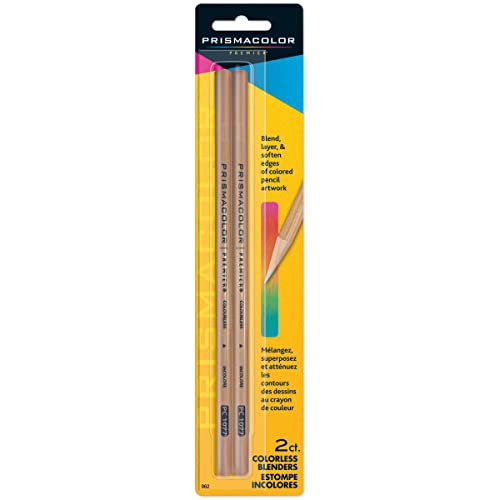
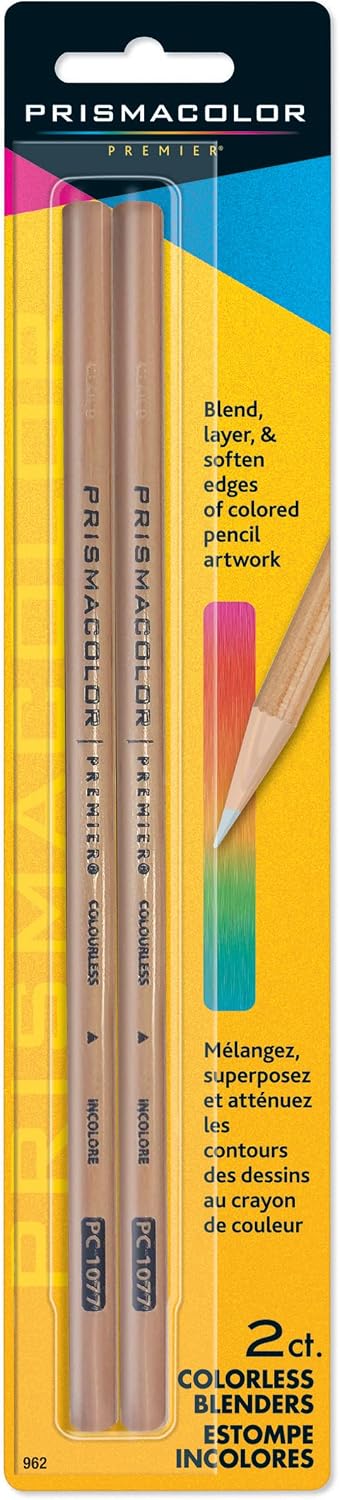
If your burnish layer looks streaky, a colorless blender pencil (two-pack, about $5 to $8) is the one extra worth owning: it melds layers without adding pigment, then you re-declare accents after. One honest note — go easy at the edges of dark reds; the blender can smear a strong red margin, so burnish from light into dark.
Autumn is coloring-book season for a reason — this method pairs beautifully with the best fall coloring books for adults 2026 that went up on the site this morning. Once your leaves are done, the same layering logic carries over to coloring water and reflections (swap the yellow base for a pale blue) and the two-pencil gradient method if you want seamless sky backgrounds behind your trees.
ColoredCalm is reader-supported. As an Amazon Associate, I earn from qualifying purchases. That means if you buy through one of the links above, I get a small commission at no extra cost to you. I only recommend supplies I actually color with.
My take: Autumn mud comes from one-color leaves — the fix is the five-layer method with yellow under everything as the light channel that keeps reds transparent. Orange into the body, red only at the turn points, shadows in sepia rather than black, and burnish with the original yellow before re-declaring accents. Vary the color schedule across the pile; identical orange leaves read as printed.
Related guides
- How to Color Mushrooms and Toadstools: The Cap-First Method
- Black Paper Coloring with Colored Pencils: A Practical Guide
- Why Paper Quality Matters More Than You Think in Coloring Books
- How to Prevent Wax Bloom on Colored Pencil Art (And Fix It When It Happens)
- Fire and Candlelight: The Glow-First Method
🎨 Get Your Free Stress Relief Coloring Guide
Join our newsletter and get this free printable plus weekly tips.
Frequently Asked Questions
How many layers can colored pencil paper take?
On vellum Bristol, 5 to 8 light layers plus a burnish before the tooth fills; on plain sketch paper, 2 to 3. When the pencil starts skating instead of depositing, the tooth is full.
Which pencil colors make autumn leaves pop without going muddy?
A warm yellow base, a mid-orange body, burnt red or sienna at the tips, and a warm brown for shadows. The mud comes from blue- or black-based shadows and skipped yellow underlayers.
Can I use the same method on black paper?
Yes, with one change: skip the heavy yellow base, which looks chalky on black, and let the paper act as the shadow layer while you build the color body on top.
Liked this guide? Get the next one in your inbox — the coloring starter checklist is free too.
✓ You're in — check your inbox.
No spam. Unsubscribe anytime. We never share your email.
Prices move fast. Start your Amazon trip from our Shop & Support page and your purchases support ColoredCalm at no extra cost to you.
Price Check
Prices verified via our product tracker. Updated Oct 17.
| Strathmore 300 Series Tape Bound Bristol Pad, 100 lb. Vell | $11.14 | 4.8★ (13,326) |
| Strathmore 400 Series Artagain Pad, Coal Black Paper, Glue | $13.35 | 4.7★ (1,456) |
| Prismacolor Premier Colored Pencils, Soft Core, 72 Count | $74.49 | 4.8★ (29,632) |
| World of Flowers: A Coloring Book and Floral Adventure | $8.94 | 4.8★ |
| Secret Garden: An Inky Treasure Hunt and Coloring Book for | $9.39 | 4.8★ |
As an Amazon Associate we earn from qualifying purchases.