This article contains affiliate links. We may earn a commission from qualifying purchases.
Some content on this site is AI-assisted and reviewed by our editorial team.
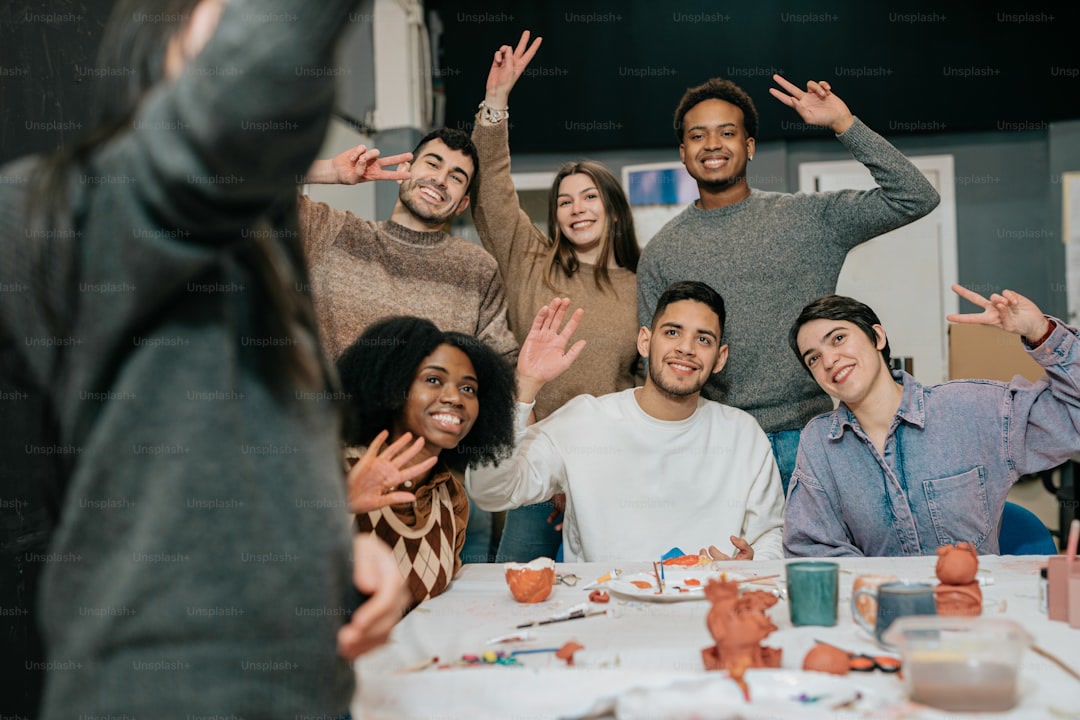
Coloring alone is relaxing. Coloring with friends? That is where the magic happens. A coloring party gives you the calm focus of adult coloring with the warmth of being around people who get it. No screens, no pressure, just good conversation and colored pencils.
Disclosure: As an Amazon Associate, ColoredCalm earns from qualifying purchases. This post contains affiliate links, which means we may earn a commission if you click through and make a purchase, at no additional cost to you.
Why Coloring Parties Work
Most social gatherings revolve around a screen or a drink. Coloring parties flip that script. You still get the connection of being together, but there is something to do with your hands, which makes conversation flow easier. The barrier to entry is low: if you can hold a pencil, you can participate.
Research on group creative activities shows they lower cortisol and increase feelings of social connection more effectively than passive group activities like watching a movie. The combination of light creative focus and face-to-face time hits a sweet spot between engagement and relaxation.
Planning Your Coloring Party
1. Pick the Right Group Size
Six to ten people is the sweet spot. Fewer than four feels like a hangout, not a party. More than twelve gets chaotic, and someone always ends up waiting for the sharpener. If you have a bigger friend group, split into two tables.
2. Choose a Date and Time
Sunday afternoons and weeknight evenings work best. People are relaxed, not rushing from work, and the activity fits a two-to-three-hour window. Send invitations at least a week ahead. A group chat works fine; you do not need formal invites.
3. Set Up Your Space
Clear a big table or push two together. Good lighting matters more than you think. Floor lamps or a room with natural light beat a dim overhead any day. Set a place mat or large piece of craft paper under each station to catch pencil shavings and protect your table.
What to Provide
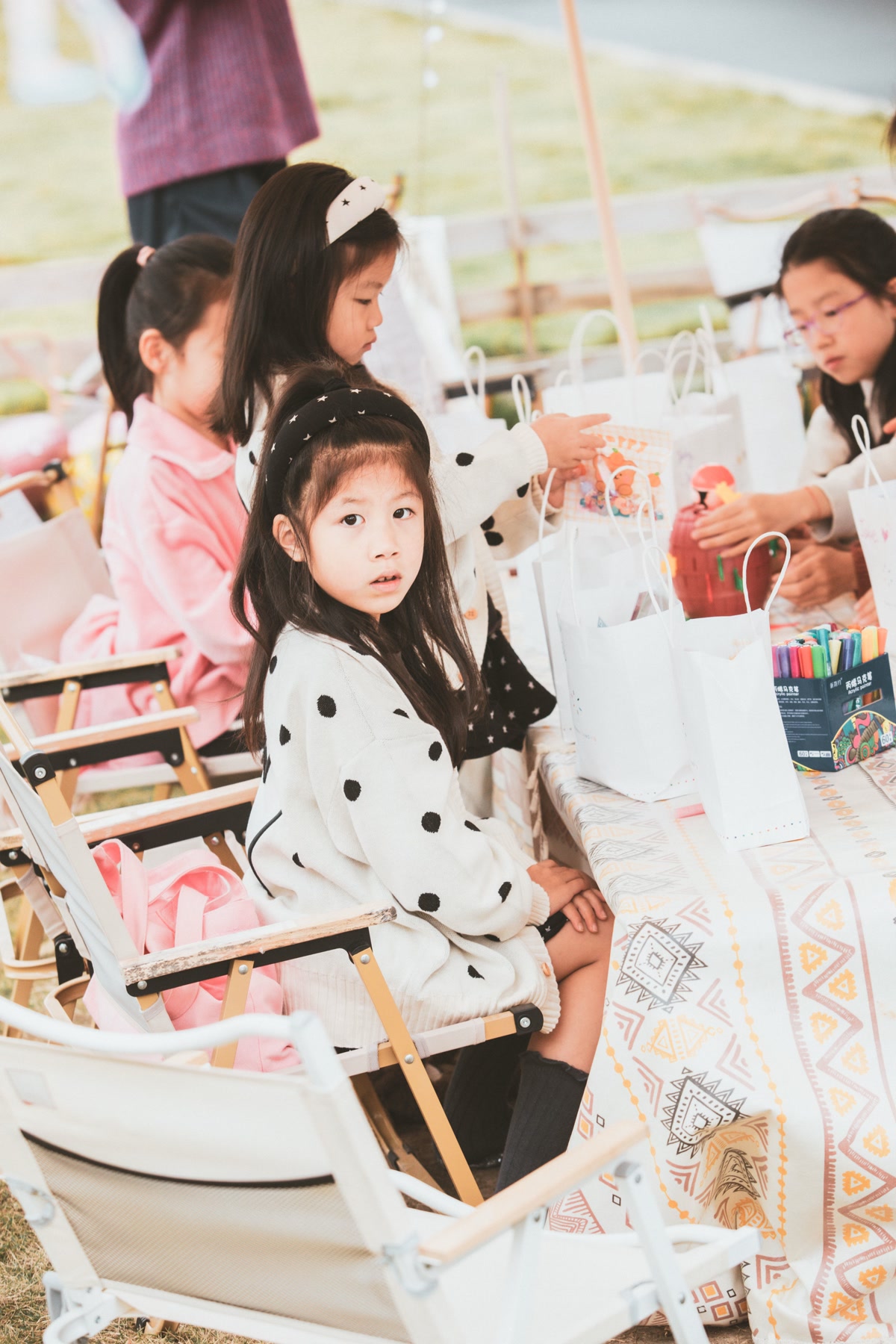
The host should cover the basics. Guests can bring extras if they want, but no one should feel pressured to bring anything.
Coloring Pages and Books
Provide a mix of styles. Not everyone loves mandalas, and not everyone wants flowers. Aim for variety:
- Detailed designs for the experienced colorists (Johanna Basford’s Secret Garden is a crowd favorite)
- Larger, simpler pages for beginners or those who want to chat more than focus (Tropical World by Marotta)
- Printable sheets so everyone gets their own copy of the same design if you want a group activity
You can also print free pages and leave a stack in the middle. Having too many options is better than too few.
Colored Pencils
Two or three shared sets work better than asking everyone to bring their own. The Prismacolor Premier 72-Color Set has the range and blendability that makes everyone happy. Supplement with a basic set for people who prefer a simpler selection.
Put a Kum long-point sharpener in the middle of the table. Dull pencils kill the vibe faster than anything else.
Markers and Gel Pens
Some people prefer markers for bold fills. A set of alcohol-based markers and a gel pen set on the side table gives people options without crowding the main workspace.
Snacks and Drinks
Keep it simple and mess-free. Avoid greasy or crumbly snacks near the coloring pages. Good options:
- Fruit and cheese plates
- Tea and coffee (mugs, not cans that could spill)
- Wine or cocktails if that is your group’s style
- Sparkling water with citrus
Put snacks on a separate table or sideboard. The coloring table stays for coloring.
Setting the Mood
Background music should be present but not dominant. Instrumental playlists work well: lo-fi beats, acoustic guitar, jazz, or even ambient nature sounds. Avoid anything with lyrics that demand attention. Think coffee shop, not concert.
Temperature matters too. A room that is slightly warm makes people want to stay longer. Throw blankets on the backs of chairs for anyone who runs cold.
Party Formats That Work
The Free-Flow Format
Set out supplies, let everyone pick a page, and go. This is the most common and most relaxed format. Conversation ebbs and flows naturally. Some people will focus hard on their pages; others will barely color and just chat. Both are fine.
The Theme Night
Pick a theme ahead of time and tell guests. Ideas that work well:
- Seasonal themes: autumn leaves, winter scenes, spring florals
- Decade night: everyone colors the same retro designs
- Color restriction: only warm tones, only cool tones, only three colors
- Swap-and-finish: everyone starts a page, then passes it to the right every 15 minutes
The swap-and-finish format gets the most laughs. It is also surprisingly relaxing because the pressure of making “your” page perfect disappears entirely.
The Workshop Format
If someone in your group is skilled, have them demo a technique for 10 minutes, then everyone practices. Good workshop topics: blending and shading, color layering, or how to pick a color palette. Keep the demo short. People came to color, not to sit through a lecture.

Common Mistakes to Avoid
- Over-organizing. This is not a class. Set up, provide supplies, and let it happen.
- Skimping on sharpeners. One sharpener for ten people means a bottleneck. Have two or three.
- Poor lighting. If people are squinting, they will leave early. Open those curtains.
- Not enough page options. Three books for eight people is not enough. Aim for at least one book or five printable pages per person.
- Apologizing for the mess. Pencil shavings are part of it. Put down craft paper and stop worrying.
What to Do With Finished Pages
At the end of the night, take a group photo of everyone holding their work. Some people will want to take their pages home; others will leave them. Offer to frame and display the best ones, or start a shared album where everyone posts their finished work.
If you did the swap-and-finish format, each page tells a story about the group. Those collaborative pages often become the most treasured.
Making It a Regular Thing
The best coloring parties become a recurring event. Monthly works well. It gives people something to look forward to without overcommitting. Rotate hosting duties if your group is large enough, and let each host put their own spin on it.
Some groups even set up a shared supply box that travels from house to house. That way, the host does not have to restock everything from scratch each time.
Read unlimited books? With Kindle Unlimited, read as much as you want from 4M+ titles, including thousands of coloring and art books. Try Kindle Unlimited FREE for 2 months
Bottom Line
A coloring party is one of the easiest gatherings you can host. You need a table, decent lighting, some colored pencils, and a stack of pages. The activity is built in, the conversation flows naturally, and everyone leaves with something they made. Start simple, see what your group responds to, and let it grow from there. The hardest part is sending the first invitation.
🎨 Get Your Free Stress Relief Coloring Guide
Join our newsletter and get this free printable plus weekly tips.
Price Check
Prices verified via our product tracker. Updated Sep 27.
| Secret Garden: An Inky Treasure Hunt and Coloring Book for | $15.95 | 4.7★ (16,080) |
| Amazon.com: Tropical World: A Coloring Book Adventure (A M | $14.95 | 4.6★ (654) |
| Amazon.com : Prismacolor Premier Colored Pencils, Soft Cor | $74.99 | 4.8★ (29,632) |
| Amazon.com: Kum AS2, Two Hole Automatic Long Point Pencil | $8.10 | 4.5★ (1,942) |
| Amazon.com: ARTEZA Colored Pencils, 48 Wax-Based Color Pen | $0.79 | 4.7★ (6,573) |
As an Amazon Associate we earn from qualifying purchases.