This article contains affiliate links. We may earn a commission from qualifying purchases.
Some content on this site is AI-assisted and reviewed by our editorial team.
,
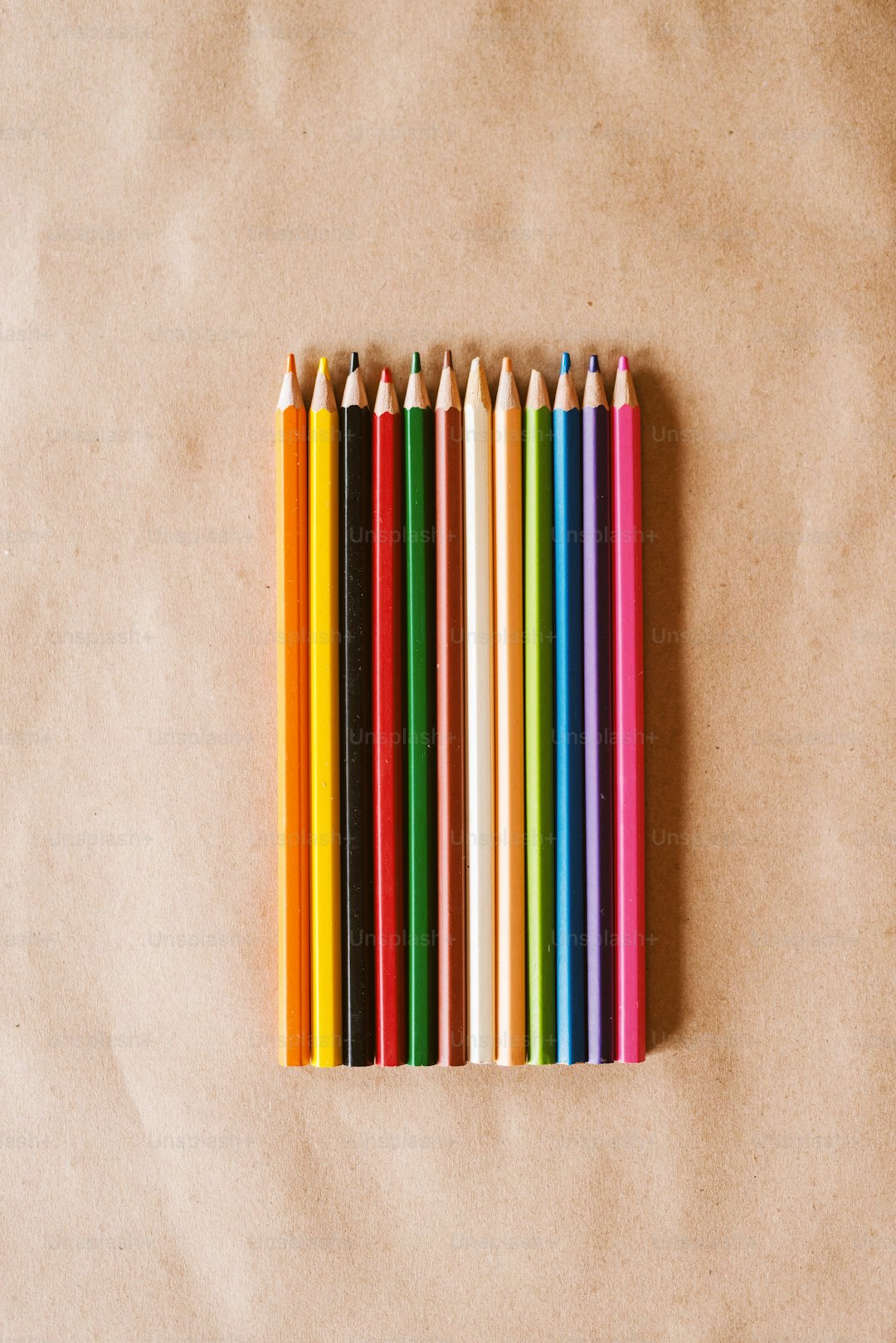
Stop Overthinking Your First Colored Pencils
Here’s the thing nobody tells you about starting a coloring hobby: your first set of pencils doesn’t matter nearly as much as you think it does.
You could spend $8. You could spend $80. Both will teach you how to hold a pencil, how pressure affects color, and how blending works. The expensive set will just feel slightly smoother while you learn the same lessons.
So relax. Pick something and start.
This guide isn’t going to list 15 options and say “it depends.” It’s going to tell you exactly what to buy based on your budget, and explain why so you can make informed upgrades later.
,
What Makes a Good Beginner Pencil (And What Doesn’t Matter Yet)
Before the recommendations, let’s cut through the jargon:
What Matters for Beginners
– Soft core (wax-based): Easier to blend, smoother on paper, more forgiving of mistakes. This is what you want.
What Doesn’t Matter Yet
– Lightfastness ratings: How colors hold up over decades in sunlight. You’re not framing museum pieces. Yet.
,
The 4 Best Beginner Colored Pencil Sets (Pick Your Budget)
Best Overall: Prismacolor Premier 48-Count
Price: ~$25 | Core type: Wax-based, soft | Skill match: Beginner through advanced
If you’re only going to buy one set, make it this one. Prismacolor Premier pencils are the gold standard for adult coloring books, and the 48-count gives you every color you’ll need without drowning in options.
Why beginners love them:
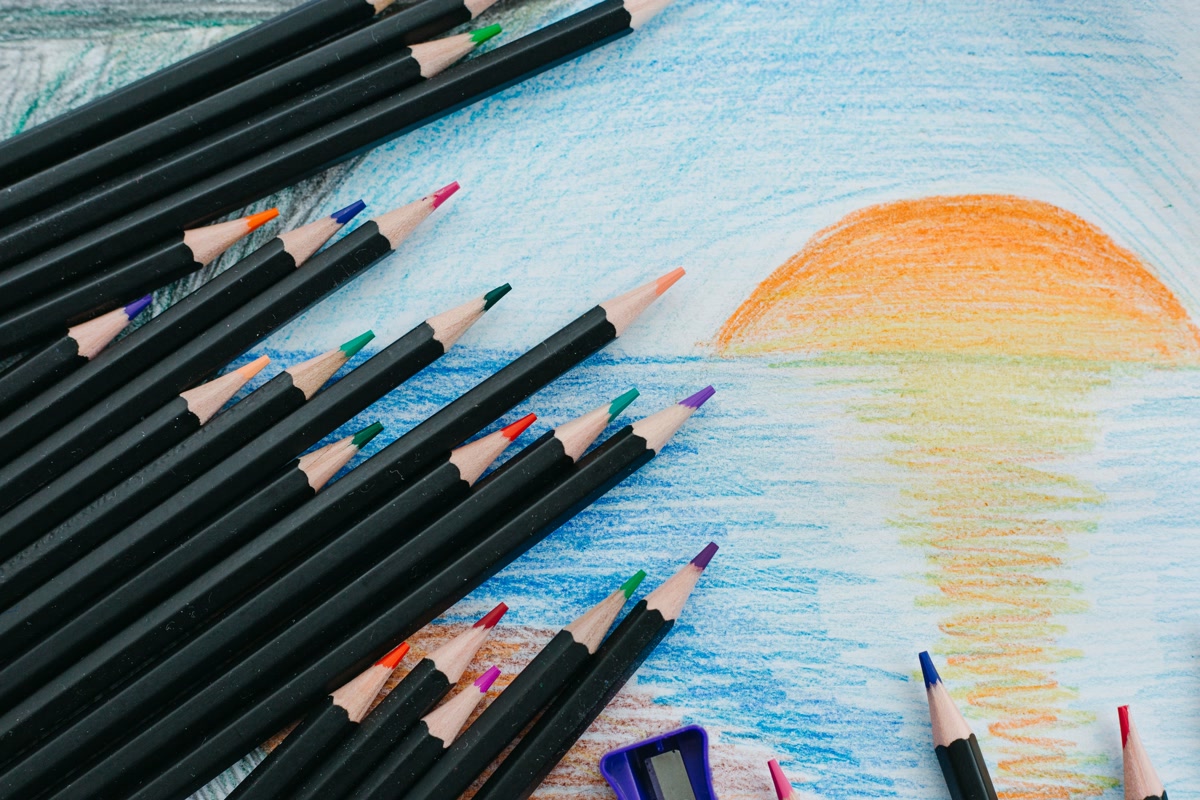
The catch: The soft cores break more easily if you drop them or press too hard while sharpening. Use a gentle hand and a good sharpener.
Our take: If your budget allows $25, this is the clear winner. No contest.
Best Budget: Crayola Colored Pencils 50-Count
Price: ~$8 | Core type: Wax-based, medium-hard | Skill match: Absolute beginners
– Crayola Colored Pencils 50ct
Yes, Crayola. The same brand you used in elementary school. And you know what? They’re surprisingly decent for adult coloring.
Why beginners love them:
The catch: Colors are less vibrant than Prismacolor or Polychromos. Blending takes more effort. You’ll feel the difference if you upgrade later.
Our take: If you’re not sure you’ll stick with coloring, start here. You can always upgr#ade
Best for Detail Work: Faber-Castell Polychromos 36-Count
Price: ~$35 | Core type: Oil-based, firm | Skill match: Confident beginners who want precision
– Faber-Castell Polychromos 36ct
Polychromos are the precision instrument of the pencil world. Oil-based cores hold a sharp point forever, making them ideal for tiny spaces in coloring books (mandalas, detailed illustrations, flower petals).
Why beginners love them:
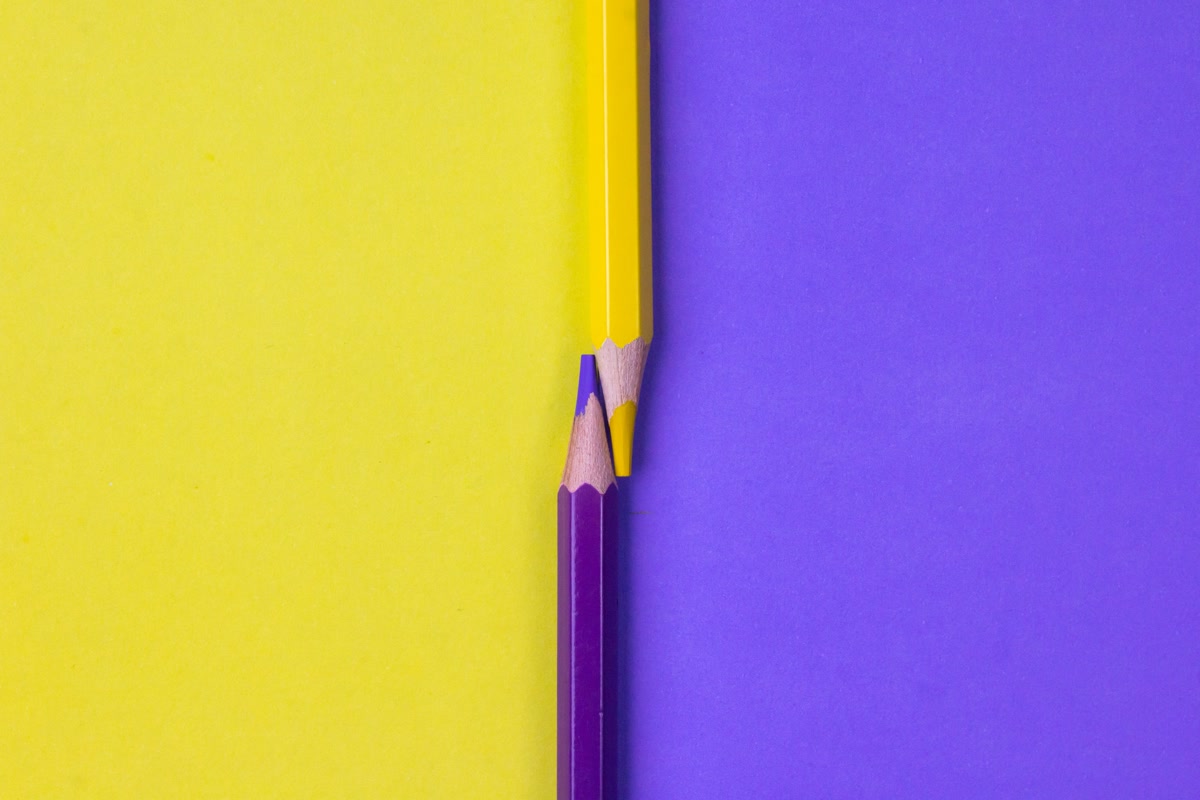
The catch: Harder cores mean blending takes more layers. Not as “smooth” feeling as Prismacolor. Higher price point.
Our take: Choose these over Prismacolor if you prefer detailed, precise work over smooth, blendy backgrounds. They’re also the better long-term investment, they last forever.
Best Upgrade: Arteza Professional 72-Count
Price: ~$30 | Core type: Wax-based, medium-soft | Skill match: Beginners ready to expand their palette
Arteza occupies that interesting middle ground between Crayola and Prismacolor. Soft enough to blend, cheap enough to not stress about, and 72 colors means you’ll rarely need to mix.
Why beginners love them:
The catch: Pigment isn’t quite as rich as Prismacolor or Polychromos. Some colors feel slightly chalky. The 72-count is more than most beginners n#eed
Our take: A solid second set or a great gift for someone who’s been coloring for a month and wants to level up from Crayola.
,
Don’t Forget These (The Accessories That Actually Matter)
The pencils get all the attention, but these three accessories will make a bigger difference than upgrading from Crayola to Prismacolor:
A Good Sharpener
– Kum Automatic Long Point Sharpener. Creates a long, sharp point that reduces breakage. ~$7.
Stop using the sharpener on the back of your pencil box. It’s mangling your cores. The Kum sharpener is $7 and will make every pencil you own work better.
A Colorless Blender
– Prismacolor Colorless Blender. Burns layers together for a smooth, painted look. ~$6.
If you’re using wax-based pencils (Prismacolor, Arteza, Crayola), a colorless blender lets you smooth out gradients and create polished finishes. It’s the single biggest upgrade to your coloring.
A Kneaded Eraser
– Kneaded Eraser. Lifts pencil marks without damaging paper. ~$2.
Made a mistake? Don’t rub with a regular eraser (it’ll tear your paper). A kneaded eraser lifts color gently by dabbing, not rubbing. Also fun to squish while you think.
,
The Decision Tree (If You’re Still Stuck)
– Budget is under $10? → Crayola 50-Count Kum Sharpener = $15 total. Done.
,
Common Beginner Questions
”Do I need to match brand pencils?”
No. Mix freely. The only pairing to avoid is using solvent blending with very cheap pencils (they can dissolve unevenly).
”Should I buy the biggest set?”
Not yet. 24-48 colors is plenty for a beginner. More colors means more time choosing and less time coloring. Start small, upgrade when you feel limited.
”Why do my pencils keep breaking?”
Two reasons: you’re pressing too hard while sharpening, or your sharpener is dull. Get the Kum sharpener and use light, consistent pressure. Also, let the pencil do the work, don’t bear down.
”Do I need special paper?”
Regular printer paper works for practice. When you’re ready to level up, look for 65lb drawing paper. Our paper quality guide explains why.
”Can I use these in a coloring book?”
Absolutely. That’s exactly what they’re for. Most adult coloring books are printed on paper that handles colored pencils well.
,
The Honest Truth
The “best” colored pencils are the ones you’ll actually use. An $80 set gathering dust in your closet is worse than an $8 set you reach for daily.
Buy something. Open a book. Start coloring. Learn what you like and don’t like. Then upgrade strategically based on your actual experience, not what some review told you.
Every artist on Instagram started with a basic set and a question. The pencils are just the beginning.
,
What’s Next?
– Ready to start coloring? Our how to start a coloring hobby guide covers everything from choosing a book to building a routine.
,
ColoredCalm: Start messy. Get better. Enjoy the process.
Affiliate Disclosure: This post contains affiliate links. If you purchase through them, we may earn a commission at no extra cost to you. We only recommend products we’ve tested or thoroughly researched.
n