This article contains affiliate links. We may earn a commission from qualifying purchases.
Some content on this site is AI-assisted and reviewed by our editorial team.
The fastest way to level up your coloring isn’t a new pencil — it’s knowing why the ones you own behave the way they do. Why some reds look chalky next to that one orange that always wins, why a 24-palette can render a sunset a 72-palette renders worse, why your greens go olive the moment water gets involved. That’s color theory, and it trips people up because most explanations are written for painters mixing paint — not for colorists layering dry pigment and choosing which of the 24 pencils in their tin actually goes down first. This is the theory that applies to a colored pencil tin specifically: the wheel, warm-vs-cool, hue/value/chroma, and the two schemes that do 90% of the heavy lifting in a coloring page.
The Numbers
- The 30-second rule from the post: a limited palette in the right order beats a 150-pencil tin used at random
- Two color schemes do 90% of the heavy lifting on a coloring page
- Each drill takes ten minutes on scrap paper
- Prismacolor Scholar 60: 38.80 dollars at student-grade price
- The 72-count tin is the teaching set: smaller tins force guesses, 150-counts are for collectors

A limited palette, in the right order, beats a 150-pencil tin used at random.
Here’s the path — four ideas, in the order I’d teach them, each with a drill you can do on a scrap of the paper you already own. Ten minutes each, and your next page will show it.
1. The Wheel — Your Tin, Rearranged
The color wheel is not decoration; it’s a map of what happens when two of your pencils touch paper in the same spot. Red and yellow make orange; blue and yellow make green; blue and red make purple. Layer order controls how clean those mixtures come out: the harder, waxier pencil first and the softer, more-pigmented pencil second, or the mix turns to mud. Ten-minute drill: take any 6 pencils from your tin and place them on a wheel from memory — warm side, cool side, then fill the gap between neighbors. Where you hesitate is exactly where your color sense needs reps.
2. Warm vs Cool — The Two-Red Problem
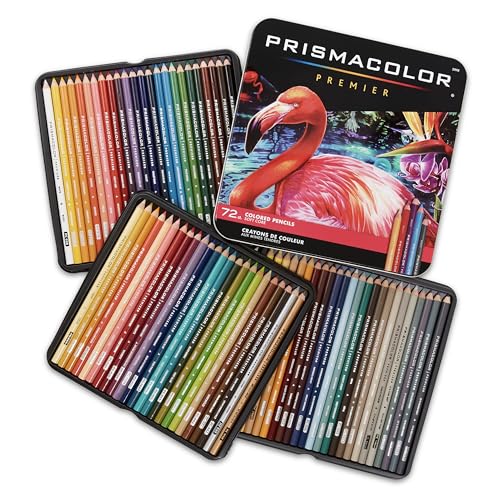
Every color runs warm or cool: a cool red leans toward crimson and pops against spring greens; a warm red leans tomato and sits comfortably beside yellows. The fastest upgrade in beginner coloring is sorting your tin into two temperature stacks. When a page looks “off,” it’s usually a warm pencil sitting in a cool scene — swap one temperature and the page clicks. Prismacolor Premier 72 ($74.49) gives you both temperatures of every major hue plus the near-neutrals (blacks, grays, tans) that make temperature contrast visible; it’s the palette I’d hand someone learning this — deep enough that warm-vs-cool stops being theoretical, cheap enough per pencil that you’ll actually use the weird blues.
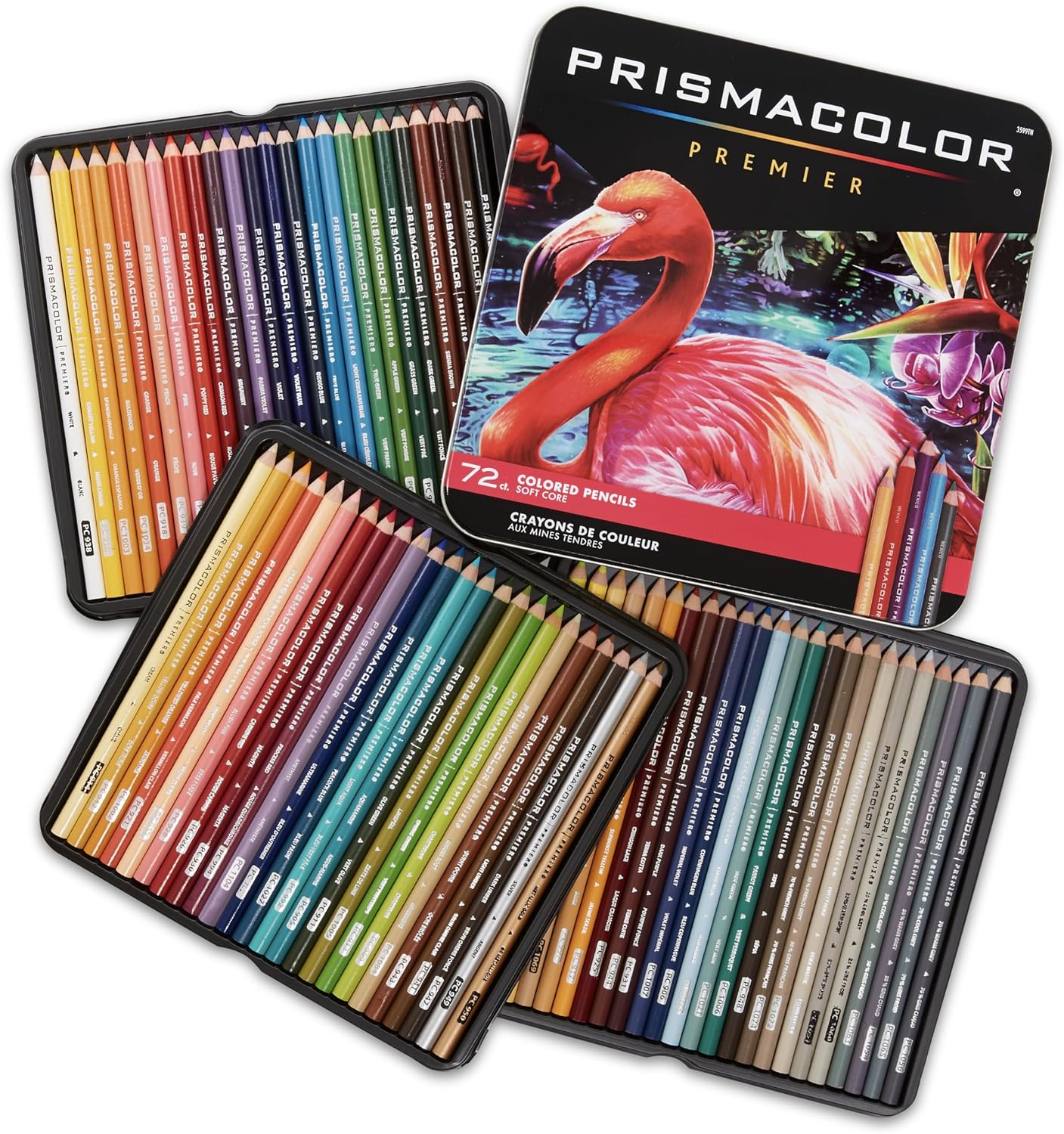
My take: The 72 is the teaching set. Smaller tins force guesses; 150-counts are for collectors.
3. Hue, Value, Chroma — The Three Dials
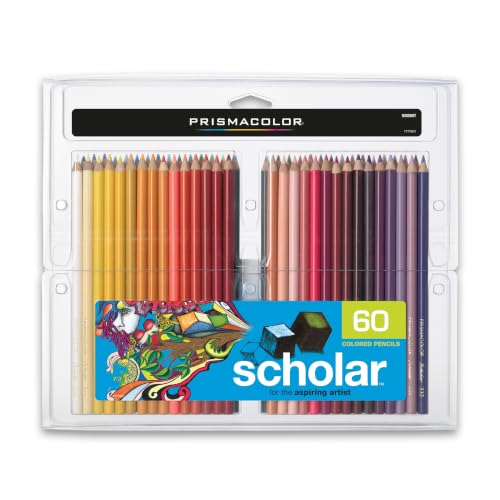
Every pencil color is three decisions: the hue (which color), the value (light or dark), the chroma (bright or grayed-out). Beginners buy hue and get stuck on value — which is why a flower looks flat while the book’s sample looks alive. The sample isn’t more colorful; it has a value structure: darkest darks under petals, one brightest highlight, mid-tones carrying everything else. Two passes to prove it: shade a petal with three steps of one color (light, middle, burnished), then add one grayed-out violet shadow color. The violet you barely notice is what makes the flower read as a flower. For tight budget builds, Prismacolor Scholar 60 ($38.80) covers all three dials at student-grade price; the honest tradeoff is chunkier cores and slightly less lightfastness than Premier.
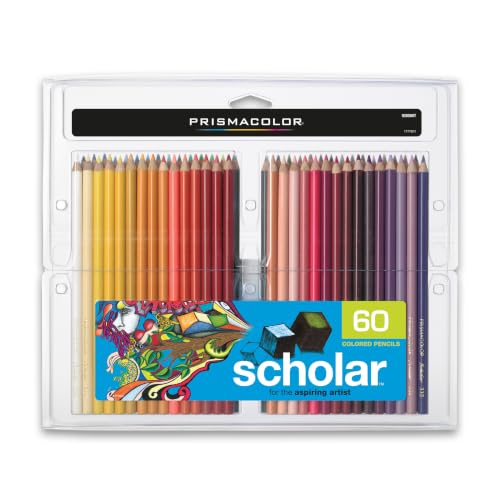
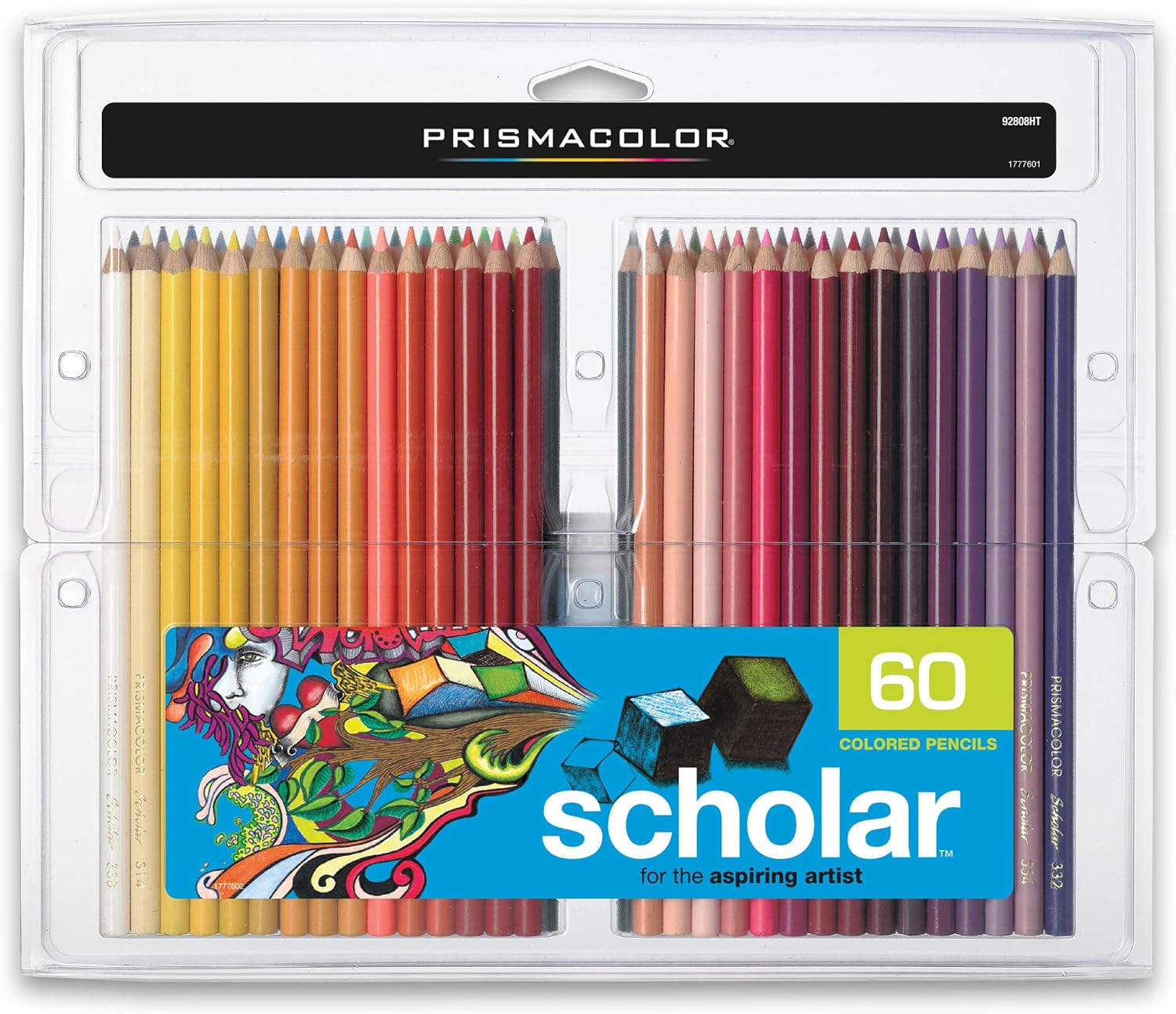
My take: If you’re buying one set for practice-heavy months, Scholar 60 is the best value in real art supplies.
4. The Two Schemes That Do 90% of the Work
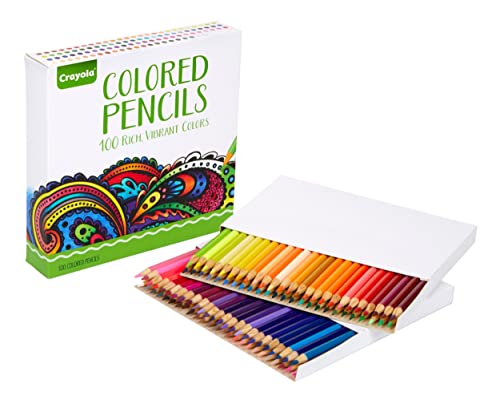
Analogous schemes (neighbors on the wheel — yellow, yellow-orange, orange) are the colorist’s bread and butter: harmonious skies, gradients that never mud, florals that glow. Complementary schemes (opposites — orange over blue shadow, red over green stems) are how you make one element shout without cranking pressure. Crayola 100 ($16.00) is the cheap way to explore complements — a hundred hues, hard wax cores that layer thin and never bloom; the con is real: no blender pencil in the box and less pigment per stroke, so it teaches you pressure control whether you like it or not.
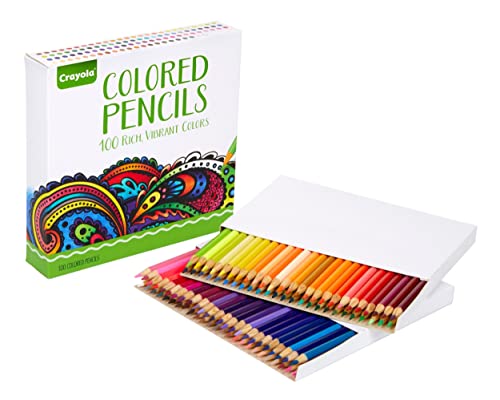
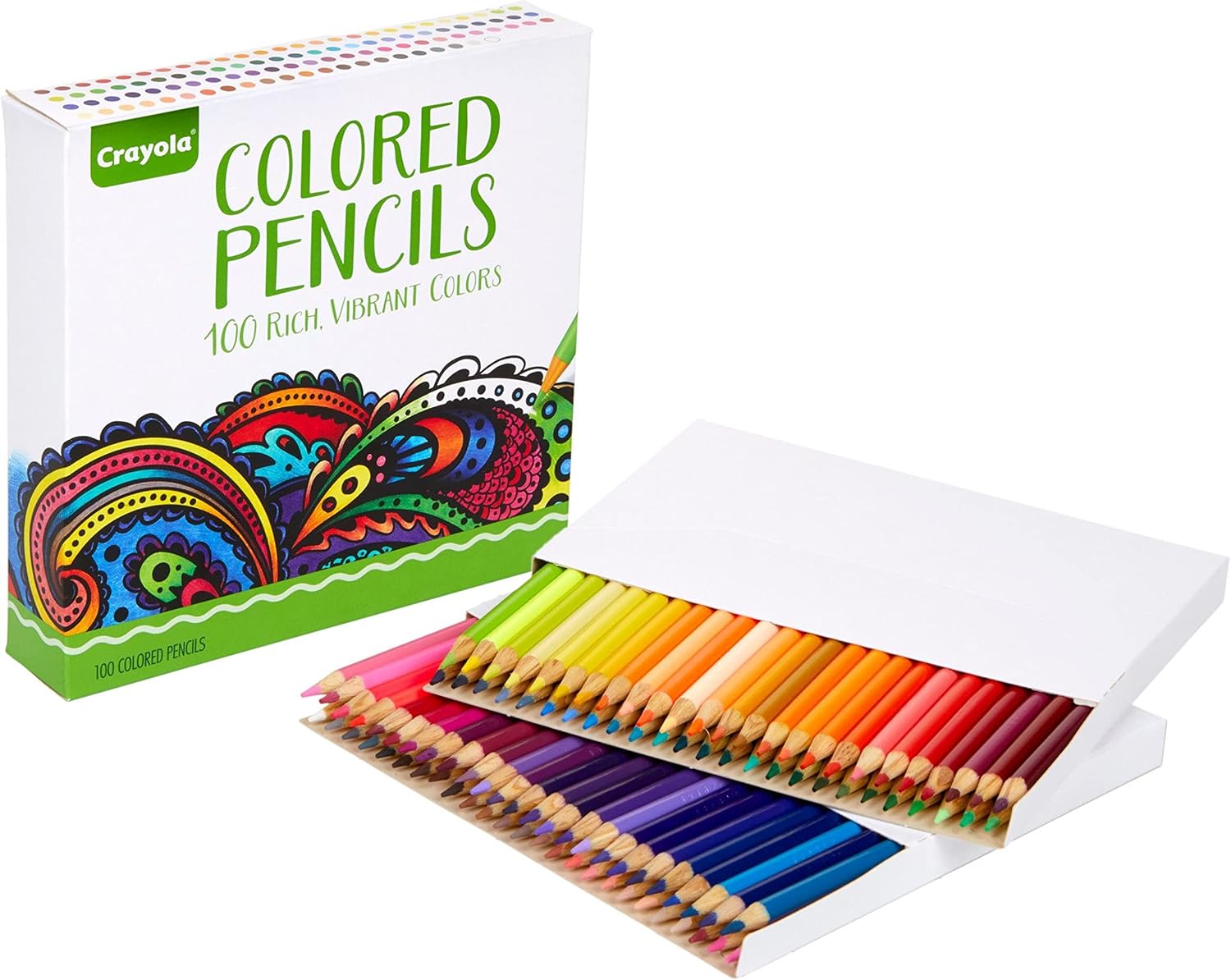
My take: The scheme-picker’s practice set. Pair it with a pad, not another tin.
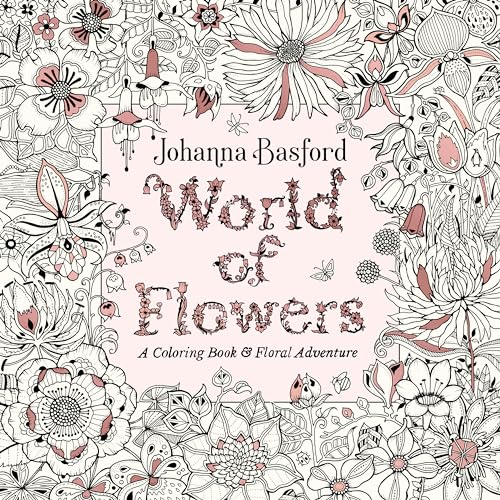
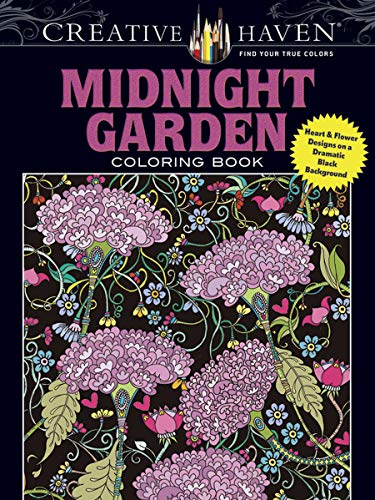
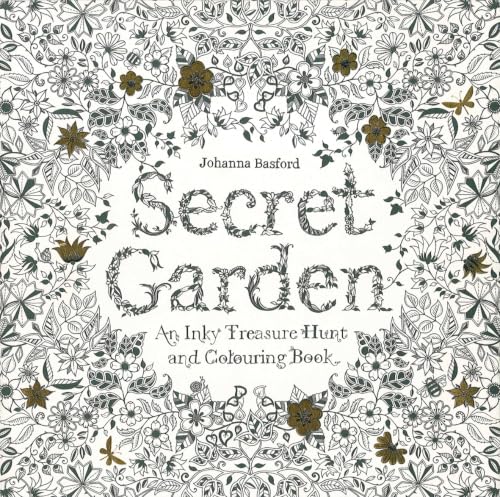
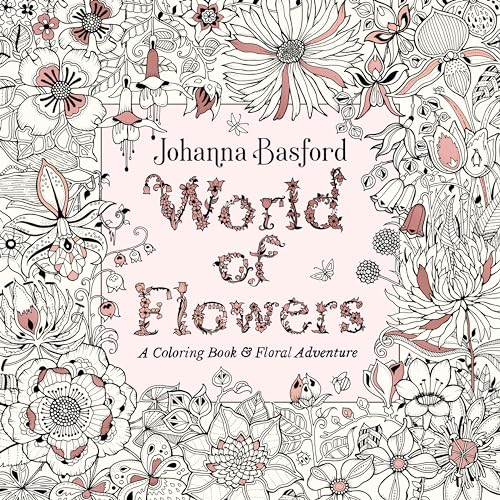
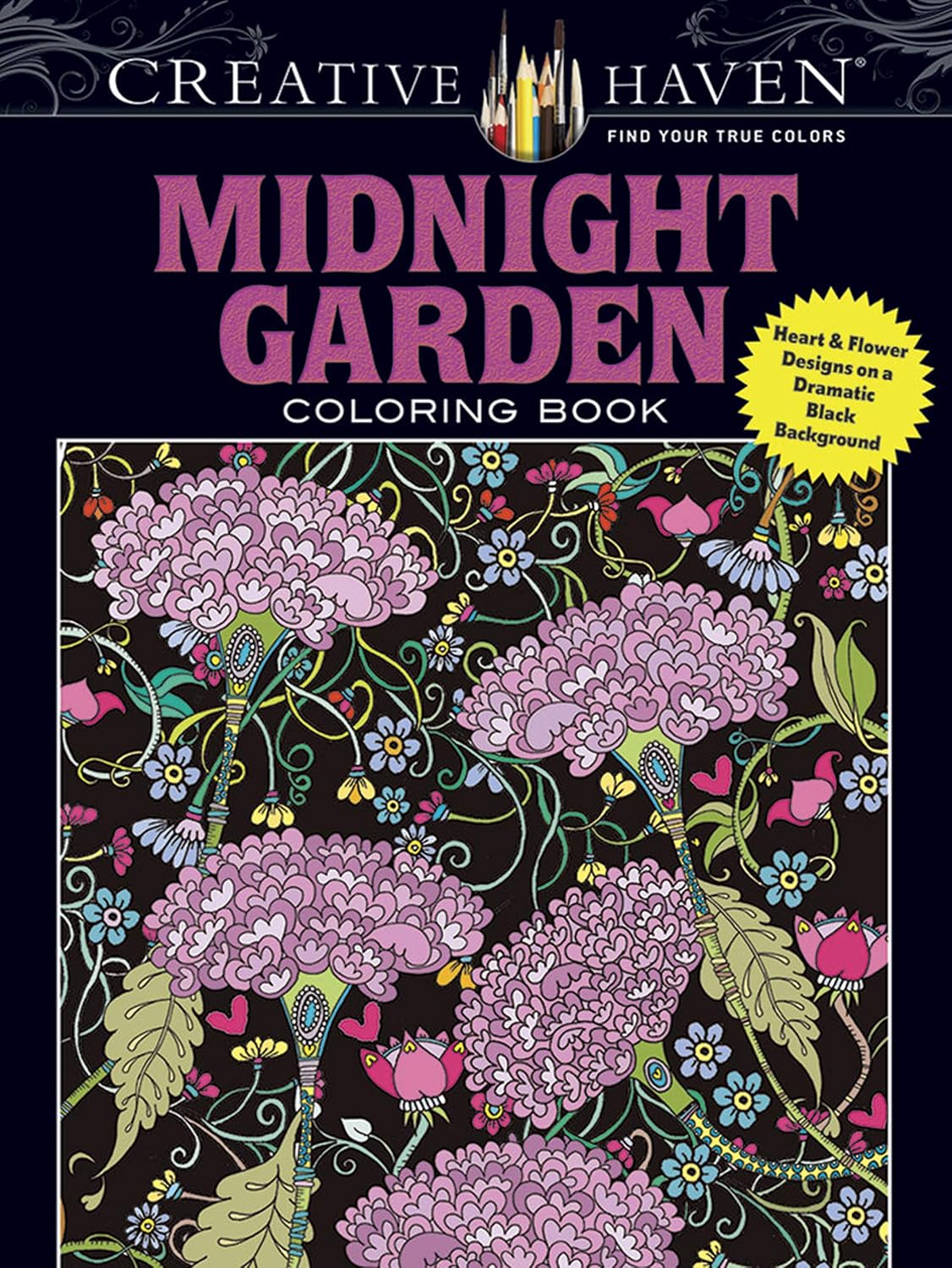
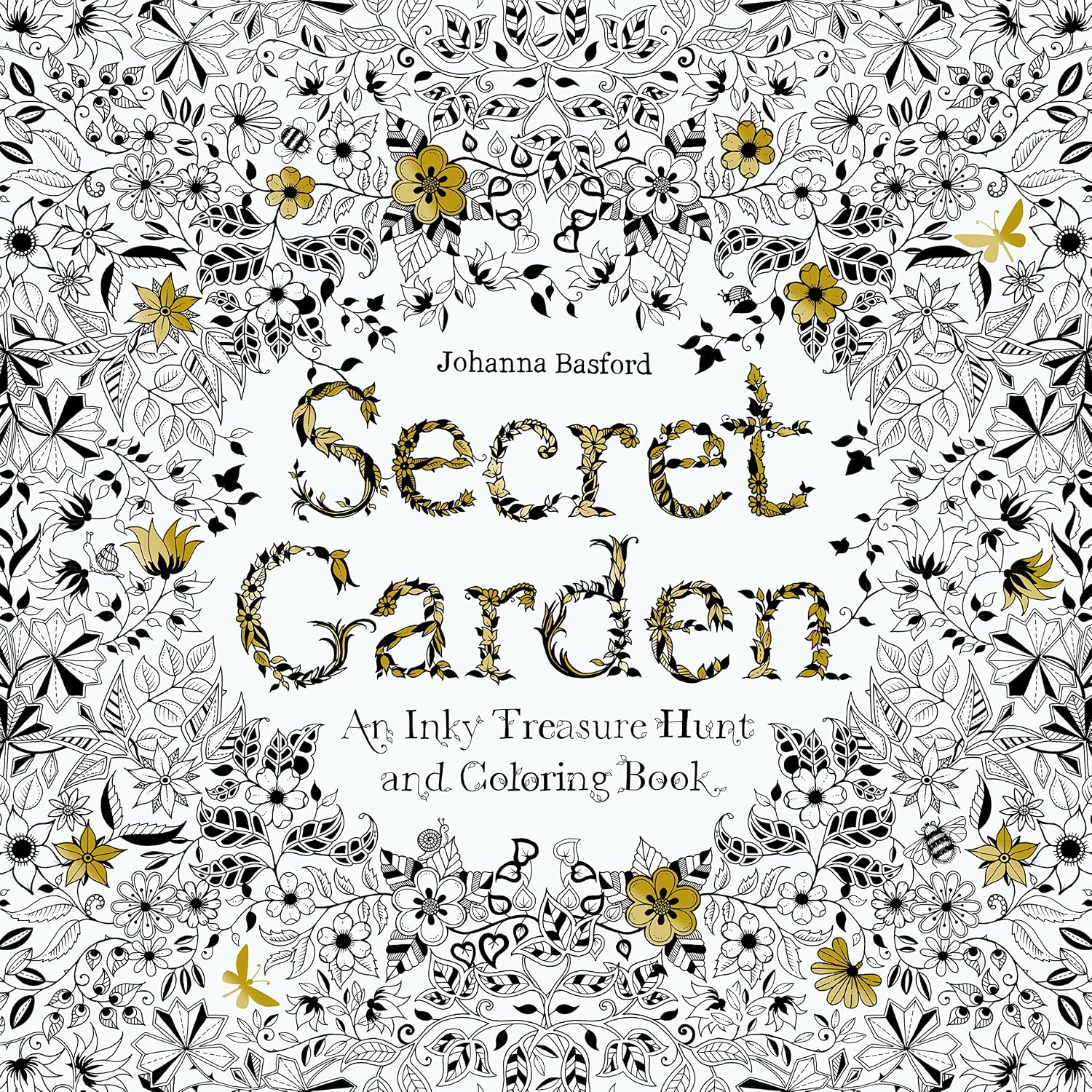
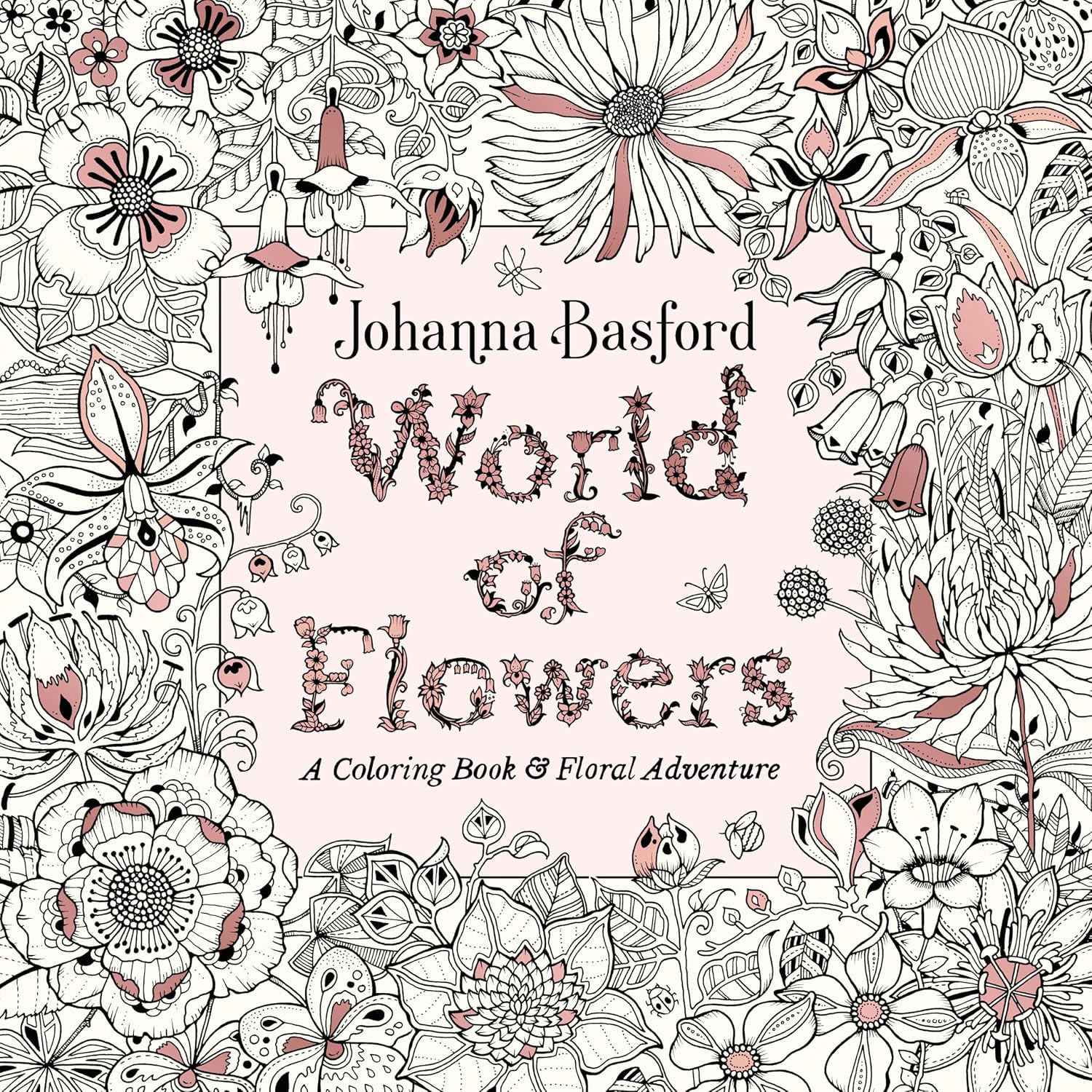
And the pair that turns practice into pages: Johanna Basford’s World of Flowers ($16.95) runs warm florals — your analogous-scheme playground — while her Secret Garden ($15.95) adds leafy-greens structure; both are heavy-stock pages that take layer after layer of pencil without pilling, which is exactly what scheme practice needs. Budget alt: Creative Haven Midnight Garden ($8.99) — black pages where only two schemes (bright-on-dark, metallic accent) work, and every choice teaches.
5. The Ten-Minute Tin Sort
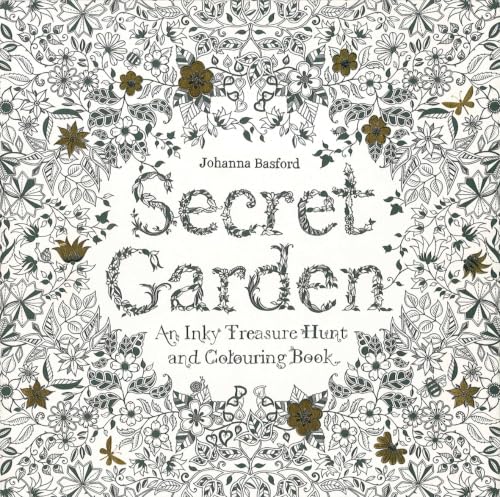
Here’s the weekly drill that makes all four ideas permanent: pull the whole tin onto the desk, pick any page — Secret Garden’s ivy borders are ideal — and mark 8 pencils with masking-tape flags before you start: three greens, two warms, two cools, one dark. Committing to 8 out of a bigger tin IS the theory lesson — it forces temperature decisions and a value plan before the first stroke. Re-flag next week with different picks. Within a month you’ll reach for the right temperature first and reach for the wheel last, which is the entire point: theory stops being homework the moment your hand knows where the cool reds live.
My take: The sort beats any tutorial video. Eight flagged pencils teach more than 150 loose ones.
Coloring with sound: Scheme practice is slow, steady focus work — deep-focus coloring hits different with an audiobook. Audible’s free trial is here.
Common Mistakes
Buying hue, practicing nothing: A 150-pencil tin can’t fix flat flowers — value structure can. Practice the three-dial drill before any upgrade.
Mixing mud: Layer order is a rule, not a vibe: hard-then-soft, light-then-dark, never scribble-blend two darks in the same spot.
Ignoring the paper: Scheme practice needs layers, and layers need tooth — smooth printer-grade paper dies after two layers. (We pick tooth and weight in the paper guide.)
Budget Note
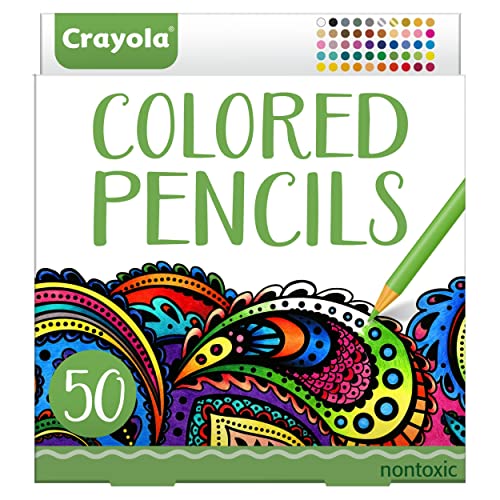
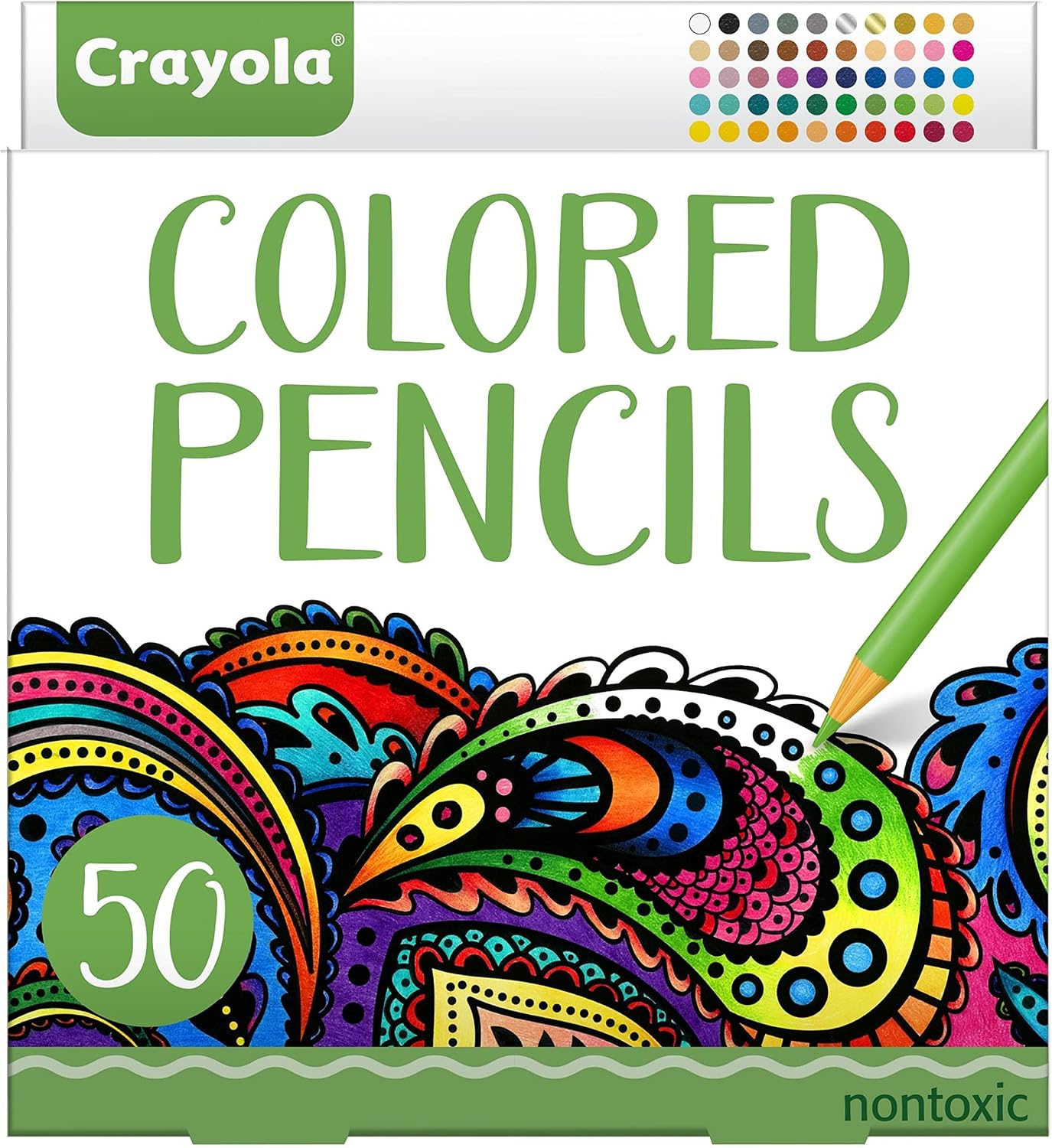
Cheapest setup that still teaches theory: Crayola 50 for Adults ($13.99) + a Creative Haven title — under $25 total for tin, pad, and page. Not lightfast. Perfect for reps.
Keep reading: How to Color Smooth Gradients, Coloring on Black Paper, and How to Color Skin Tones: The Five-Layer Method.
ColoredCalm is reader-supported. As an Amazon Associate, I earn from qualifying purchases. That means if you buy through one of the links above, I get a small commission at no extra cost to you. I only recommend supplies I actually color with.
Related guides
- Coloring for Mindfulness: How to Build a Practice That Actually Sticks
- Best Gifts for Coloring Book Fans (2026 Gift Guide for Every Budget)
- Animal Coloring Books for Adults: From Wildlife to Pets, the Best Books and Techniques
- Large-Print Coloring Books for Tired Eyes: 5 Picks That Do Not Punish Fine Motor Skills
- Coloring on the Go: How to Build a Travel Coloring Kit That Fits in Your Bag
🎨 Get Your Free Stress Relief Coloring Guide
Join our newsletter and get this free printable plus weekly tips.
Frequently Asked Questions
What is color theory in colored pencil work?
It is the practical set of rules for which pencils to combine: the color wheel (what neighboring and opposite pencils do when layered), warm versus cool temperature, and the three dials of hue, value, and chroma. For colorists it mostly decides layer order and which pencil goes down first.
How many colored pencils does a beginner need?
A 24 to 36 count set is enough to learn temperature and layering. A 72 count set like Prismacolor Premier gives both temperatures of every hue, which makes warm-cool practice easier, but the theory can be learned on any small set.
What are analogous and complementary color schemes?
Analogous schemes use neighbors on the wheel - yellow, yellow-orange, orange - and produce calm, harmonious passages. Complementary schemes layer opposites, like orange over a blue shadow, to make one area stand out without pressing harder.
Why do my mixed colors turn muddy?
Usually layer order: a hard, waxier pencil goes down first and the softer, more pigmented pencil second. Scribble-blending two dark colors in the same spot also churns pigment into mud - build light to dark instead.
Liked this guide? Get the next one in your inbox — the coloring starter checklist is free too.
✓ You're in — check your inbox.
No spam. Unsubscribe anytime. We never share your email.
Prices move fast. Start your Amazon trip from our Shop & Support page and your purchases support ColoredCalm at no extra cost to you.
Price Check
Prices verified via our product tracker. Updated Oct 17.
| Prismacolor Premier Colored Pencils, Soft Core, 72 Count | $74.49 | 4.8★ (29,632) |
| Prismacolor Scholar Colored Pencils, 60 Count - Vibrant Co | $37.58 | 4.7★ (9,030) |
| Crayola Adult Colored Pencil Set 100ct, Premium Coloring P | $16.00 | 4.7★ (55,732) |
| World of Flowers: A Coloring Book and Floral Adventure | $8.94 | 4.8★ |
| Secret Garden: An Inky Treasure Hunt and Coloring Book for | $9.39 | 4.8★ |
| Creative Haven Midnight Garden Coloring Book (Dover) | $8.99 | |
| Colored Pencils For Adults 50ct | $13.99 | 4.7★ (32,477) |
As an Amazon Associate we earn from qualifying purchases.