This article contains affiliate links. We may earn a commission from qualifying purchases.
Some content on this site is AI-assisted and reviewed by our editorial team.
Starting With Colored Pencils Should Not Feel Like a Pop Quiz
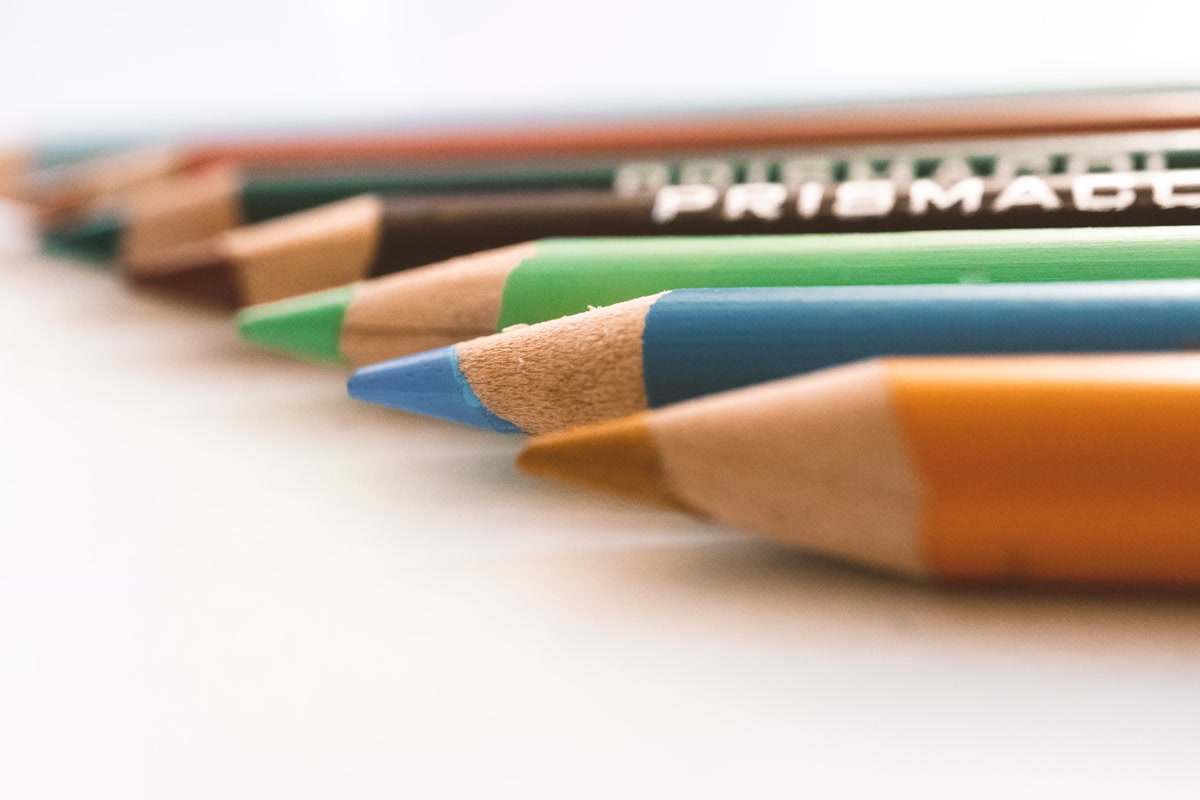
Walk into any art supply store or browse Amazon for colored pencils and you will face hundreds of options ranging from 8 dollars to 80 dollars. Sets promise everything from “artist quality” to “ultra-premium” to “professional-grade,” and most of those labels are marketing, not meaningful differences. If you are picking up colored pencils for the first time, whether for adult coloring books, a mindfulness practice, or just curiosity, you need to know which features actually matter and which are just noise.
Disclosure: As an Amazon Associate, ColoredCalm earns from qualifying purchases. This post contains affiliate links, which means we may earn a commission if you click through and make a purchase, at no additional cost to you.
This guide cuts through the jargon. You will learn what makes one pencil better than another, which sets give you the most value at each price point, and how to avoid the common beginner mistakes that lead to frustration and wasted money.
What Actually Makes a Colored Pencil Good
Before you spend a dollar, understand these four qualities that separate usable pencils from disappointing ones:
Pigment Quality
Pigment is what gives a pencil its color. Cheap pencils use fillers like wax and clay to stretch the pigment, which results in pale, washed-out color on the page. Better pencils pack more pigment per core, so a single light stroke delivers rich, visible color. For beginners, the difference between a 12-dollar set with low pigment and a 16-dollar set with decent pigment is immediately visible, and it changes your entire experience of coloring.
Core Softness: Wax-Based vs Oil-Based
Colored pencil cores fall on a spectrum from hard to soft. Hard cores (Crayola, Staedtler) hold a sharp point longer and are great for fine detail, but they require more pressure to lay down color and cannot blend smoothly. Soft cores (Prismacolor Premier, Caran d’Ache) deliver buttery, vibrant color with minimal effort and blend beautifully, but they dull faster and can crumble if you press too hard.
For adult coloring books, soft-core wax-based pencils are the best starting point. They fill large areas efficiently, blend with minimal technique, and feel satisfying to use. You can always add a harder pencil for detail work later.
Lightfastness
Lightfastness measures how resistant a color is to fading over time when exposed to light. If you are coloring for relaxation and keeping your work in a book, this barely matters. If you plan to frame or sell your art, it matters a lot. Beginner-grade pencils have poor lightfastness across most colors, which is fine for the hobbyist. Professional-grade pencils (Faber-Castell Polychromos, Caran d’Ache Luminance) rate each color individually.
Color Count and Range
More colors is not always better. A 72-pencil set with a thoughtful color range (multiple shades of each hue, good skin tones, several grays) is more useful than a 136-pencil set that pads its count with neon colors you will never use. For beginners, 48 to 72 pencils is the sweet spot.
The Best Colored Pencil Sets for Beginners
Best Overall: Prismacolor Premier 72-Color Set
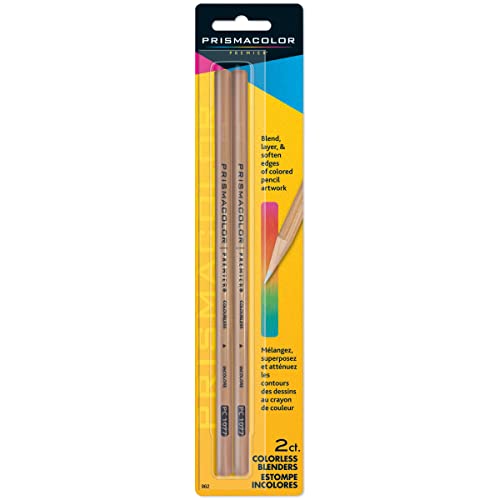
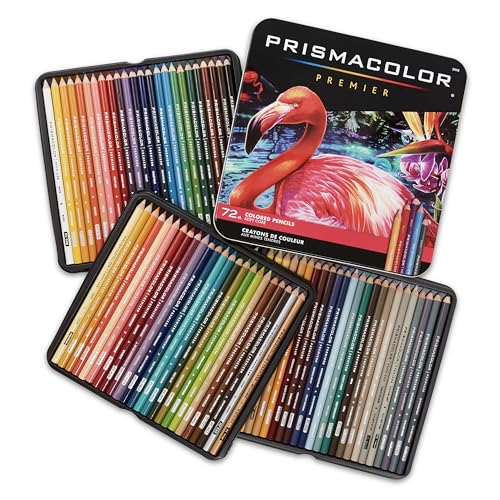
Prismacolor Premier 72-Color Set is the most recommended beginner pencil for one simple reason: it delivers the best color quality per dollar of anything on the market. The soft, thick cores lay down rich, opaque color with almost no pressure, which makes them immediately satisfying even if you have zero technique. They blend smoothly using simple layering or a Prismacolor Colorless Blender, and the 72-color range covers virtually every shade you will need for adult coloring books.
The downsides: cores break if you drop them or sharpen aggressively, and the soft wax leads to wax bloom (a cloudy film) on heavily layered areas. Both are manageable. Use a Kum long-point sharpener and handle them with reasonable care, and you will not have problems.
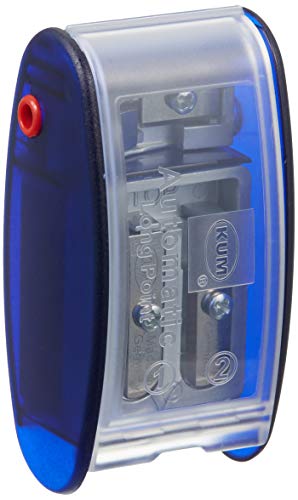
Price: Around 30 to 35 dollars | Best for: Anyone starting with adult coloring books
Best Premium Option: Faber-Castell Polychromos 60-Color Set
Faber-Castell Polychromos pencils are oil-based rather than wax-based, which gives them a firmer core that holds a needle point exceptionally well. If you love precise linework and fine detail, these are unmatched. The 60-color range leans slightly cooler than Prismacolor, which some colorists prefer for botanical and nature-themed books. They also have superior lightfastness, making them the right choice if you want your finished work to last decades without fading.
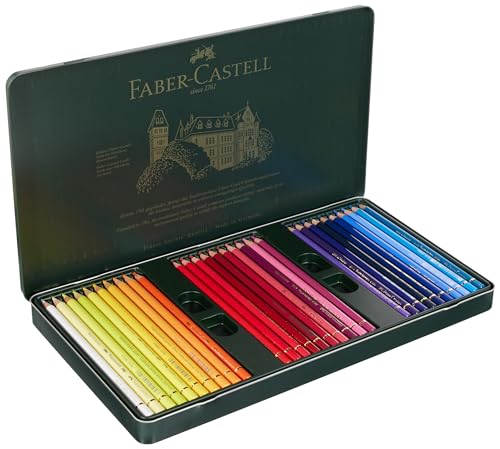
The tradeoff is price: at roughly 75 to 90 dollars for the 60-color set, they cost about twice as much as Prismacolor per pencil. For a beginner still figuring out whether coloring is a lasting hobby, that is a significant jump.
Price: Around 75 to 90 dollars | Best for: Detail-oriented colorists willing to invest upfront
Best Budget Pick: Crayola 50-Count Colored Pencils
Crayola 50-Count Colored Pencils are the gateway drug of the coloring world. At under 10 dollars, they are cheap enough that buying them is essentially risk-free. The color quality is noticeably lower than Prismacolor, requiring more pressure and multiple layers for saturation, but they are reliable, widely available, and great for testing whether you even enjoy coloring before committing to a bigger purchase.
Do not expect to blend smoothly or achieve the vibrant results you see in coloring communities. But for filling in larger areas casually, they work fine.
Price: Around 7 to 10 dollars | Best for: Absolute beginners testing the waters
Best Mid-Range: Arteza Professional 72-Color Set
Arteza Professional 72-Color Set sits between Crayola and Prismacolor in both price and performance. The soft cores blend reasonably well, the color range is solid, and the price hovers around 25 to 30 dollars. They are a legitimate step up from budget pencils, though they lack the butter-smooth application of Prismacolor Premier. If Prismacolor is out of stock or you want an alternative in the same price tier, Arteza is a safe choice.
Price: Around 25 to 30 dollars | Best for: Budget-conscious buyers who want more than Crayola
Best for Detail Work: Derwent Chromaflow 72-Color Set
Derwent Chromaflow 72-Color Set offers a middle ground between soft and hard cores. They lay down color more smoothly than a traditional hard-core pencil but hold a point better than Prismacolor, making them ideal for colorists who work on intricate designs like mandalas or botanical patterns. At roughly 35 to 40 dollars, they are competitively priced against Prismacolor with a different feel.
Price: Around 35 to 40 dollars | Best for: Intricate designs and detailed coloring books
What You Actually Need to Buy
Here is what a beginner should own, in order of priority:
- A quality 48 to 72 pencil set — Prismacolor Premier 72 is the best starting point. One good set eliminates the need for multiple mediocre ones.
- A good sharpener — The Kum AS2M long-point sharpener or the Dahle 301 precision lead pointer will save you from broken cores and frustration. Do not use the cheap sharpeners that come free with pencil sets.
- A kneaded eraser — Kneaded erasers lift graphite and colored pencil without damaging paper. Essential for fixing mistakes and creating highlights.
- One good coloring book — Secret Garden by Johanna Basford remains the best beginner coloring book. The paper quality is excellent, the designs are intricate but achievable, and it sets the standard for what adult coloring books should feel like.
Everything else, blending stumps, colorless blenders, pencil extenders, specialty erasers, is nice to have but unnecessary for your first month. Focus on pencils, a sharpener, and a book. Add tools when you hit a specific wall, not before.
Common Beginner Mistakes That Waste Money
- Buying a 150-pencil set immediately. You will not use most of those colors for months. Start with 48 to 72 and expand only when you consistently reach for shades you do not have.
- Choosing oil-based pencils because “professional.” Professional does not mean better for you. Oil-based pencils (Polychromos) require more technique to blend. Beginners get faster, more satisfying results with soft wax-based pencils.
- Skipping the sharpener. A bad sharpener breaks soft pencil cores. Repeatedly sharpening broken pencils wastes more money than buying a good sharpener in the first place.
- Coloring on thin paper. Most coloring books use adequate paper, but if you print your own pages, use at least 65-pound paper. Thin paper buckles, tears, and shows color bleed-through, which ruins the experience.
- Pressing too hard. Soft-core pencils deliver color with light pressure. Pressing hard breaks cores, tears paper, and makes blending impossible. Let the pencil do the work.
How to Practice Without a Coloring Book
If you want to try before buying a book, here are three exercises that build fundamental skills:
- Pressure gradients: Draw a 2-inch square. Fill it with a single color, starting with very light pressure on the left and gradually increasing to heavy pressure on the right. This teaches you how your pencils respond to different amounts of force.
- Color blending: Overlap two colors by about an inch. In the overlap zone, use small circular strokes to blend them together. Try warm combinations first (red to orange, orange to yellow) since they blend more naturally.
- Layering: Fill a shape with a light base color. Then add a second color on top using very light pressure. Notice how the second color shifts the appearance of the first without fully covering it. This is the foundation of all colored pencil work.
The Bottom Line
You do not need to spend a fortune or study color theory to enjoy coloring. Get Prismacolor Premier 72, a Kum sharpener, and Secret Garden. Start coloring. The rest of your supply collection will grow naturally as you discover what you actually need.
Shop this guide: Prismacolor Premier 72-Color Set | Faber-Castell Polychromos 60-Color Set | Crayola 50-Count | Arteza Professional 72-Color Set | Derwent Chromaflow 72-Color Set | Kum AS2M Sharpener | Dahle 301 Sharpener | Kneaded Eraser | Secret Garden Coloring Book
n
Want to listen to books on the go? Try Audible Premium Plus FREE for 30 days and get 1 free audiobook on mindfulness, creativity, or anything else. Start your free trial
Bottom Line
For beginners, the best colored pencil set is one with 24-48 colors that blends smoothly and fits your budget. Do not be swayed by large sets you will not use. Start small, learn technique, and upgrade when you feel ready.
🎨 Get Your Free Stress Relief Coloring Guide
Join our newsletter and get this free printable plus weekly tips.
Price Check
Prices verified via our product tracker. Updated Sep 27.
| Amazon.com : Prismacolor Premier Colored Pencils, Soft Cor | $74.99 | 4.8★ (29,632) |
| Amazon.com: AS2M (1053121), Long Point Sharpener, sharpens | $8.14 | 4.6★ (2,983) |
| Amazon.com: Polychromous Colored Pencil Set In Metal Tin 6 | $79.56 | 4.8★ (4,529) |
| Amazon.com: Crayola Adult Colored Pencil Set (100ct), Prem | $24.08 | 4.7★ (55,736) |
| Amazon.com: ARTEZA Colored Pencils, 48 Wax-Based Color Pen | $0.79 | 4.7★ (6,573) |
| Amazon.com : Derwent Chromaflow Pencils, Set of 150 in Tin | $149.99 | 4.5★ (3,059) |
| Amazon.com : Dahle 301 Precision Lead Pointer Sharpener fo | $20.25 | 3.9★ |
| Amazon.com: Faber-Castell Kneadable Eraser for Artists in | $35.00 | 4.7★ (21,212) |
| Secret Garden: An Inky Treasure Hunt and Coloring Book for | $15.95 | 4.7★ (16,080) |
As an Amazon Associate we earn from qualifying purchases.