
This article contains affiliate links. We may earn a commission from qualifying purchases.
Some content on this site is AI-assisted and reviewed by our editorial team.

Why Coloring Works Before Bed
A 2021 study in the International Journal of Environmental Research and Public Health found that 30 minutes of structured coloring before bed significantly reduced the time it took participants to fall asleep and improved sleep quality compared to a control group that read for 30 minutes.
Disclosure: As an Amazon Associate, ColoredCalm earns from qualifying purchases. This post contains affiliate links, which means we may earn a commission if you click through and make a purchase, at no additional cost to you.
The mechanism is surprisingly simple:
It occupies your visual and motor systems. When you’re coloring, your eyes are tracking lines, your hand is making precise movements, and your brain is making low-stakes color decisions. This engages your brain just enough to prevent the DMN from spiraling, but not so much that it keeps you awake.
It’s repetitive and predictable. The structure of coloring, fill this shape, move to the next, provides a rhythm that’s similar to counting sheep, except it actually works because it gives your hands something to do instead of just your mind.
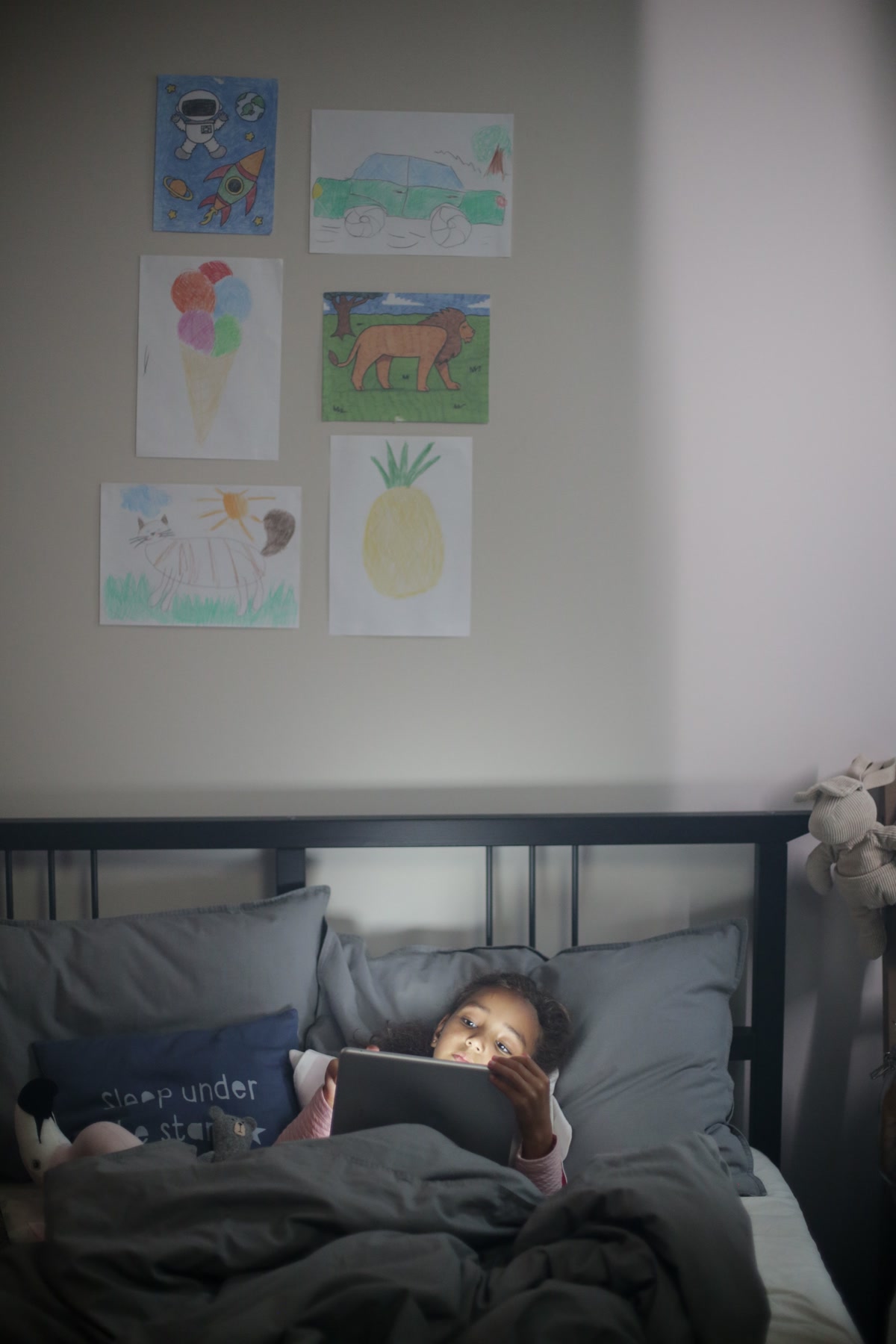
It doesn’t require a screen. This is the big one. No blue light, no notifications, no algorithm optimized to keep you engaged for “just one more.” You’re using a physical object that has a natural endpoint (you finish a section, you close the book, you’re done).
It creates a transition ritual. Sleep researchers call this “sleep hygiene”, having a consistent pre-sleep routine that signals to your brain that it’s time to wind down. Coloring for 20-30 minutes before bed can become that ritual, and the consistency matters more than the specific activity.
How to Build a Bedtime Coloring Routine
Step 1: Pick the Right Book
Not all coloring books are equal for bedtime. What counts is finding the right level of complexity:
– Too simple (large shapes, few details), Your mind will wander because it’s not engaged enough. Boredom leads to rumination.
Good bedtime books:
Step 2: Pick Your Colors in Advance
Decision fatigue is real, and it gets worse at night when you’re tired. Before you start, pick 4-6 pencils that look good together and put the rest away. This eliminates the “which color should I use” spiral that can keep you awake.
Color schemes that promote calm:
Avoid at bedtime: neon colors, bright reds and oranges (they’re stimulating), and complicated multi-color schemes that require too many decisions.
Step 3: Set a Timer for 20-30 Minutes
This is important. Don’t color until you feel tired, color for a set amount of time, then stop and go to #bed Here’s why:
– The time limit prevents you from getting absorbed and staying up too late (the “just one more section” trap).
Set the timer on a real alarm clock or your phone’s do-not-disturb mode, not a phone timer that tempts you to check notifications when you dismiss it.

Step 4: Color Under Warm Light
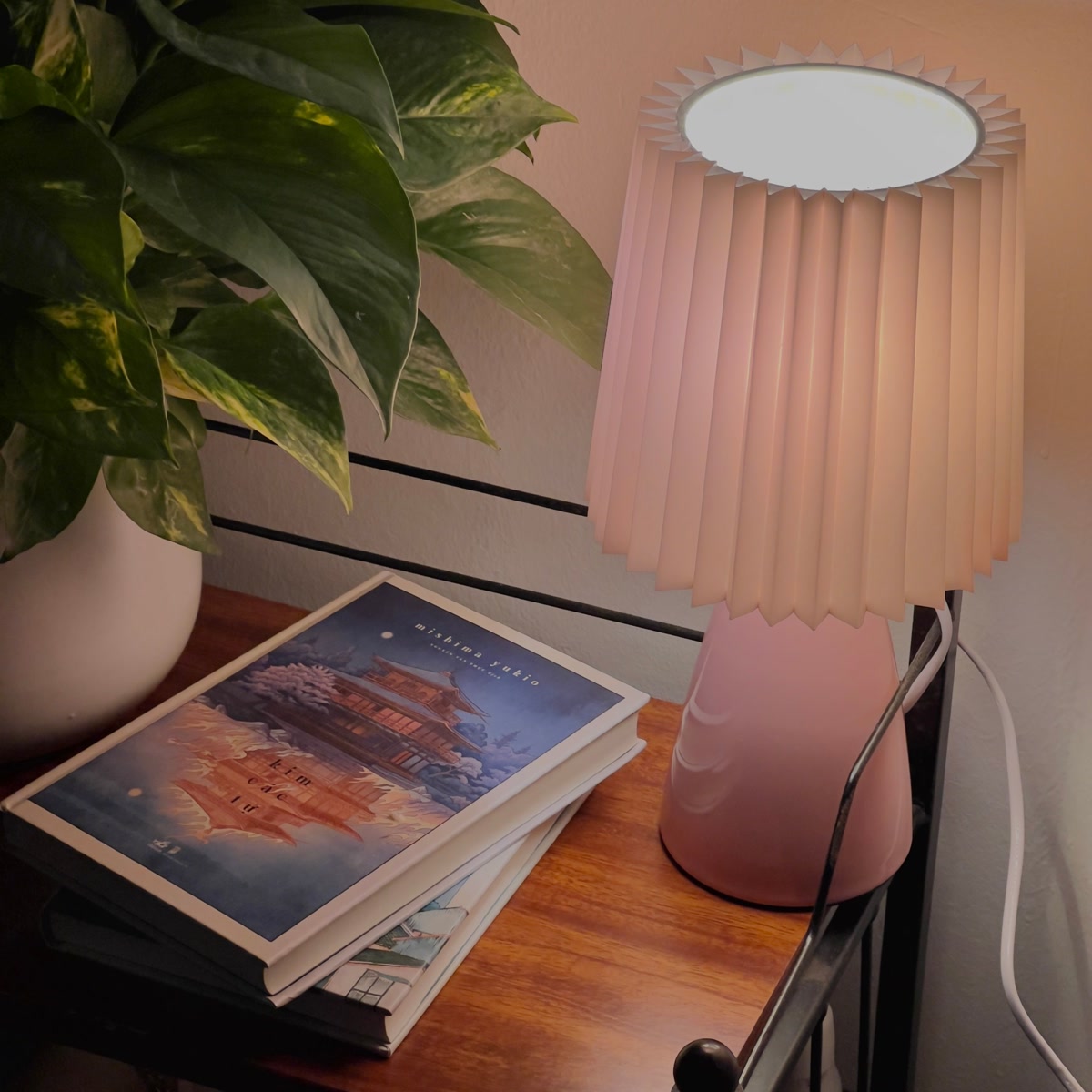
This matters more than you’d think. Blue light from screens and cool-white LEDs suppresses melatonin production. Warm light (2700K-3000K) from a bedside lamp or book light doesn’t have the same effect.
If you’re coloring in bed, use a warm-toned clip-on book light rather than your bedside lamp, it’s more focused and won’t keep your partner awake.
Step 5: Stop When the Timer Goes Off
Close the book. Put the pencils on the nightstand. Turn off the light. Don’t color “just a little more”, that’s the same voice that says “just one more episode.”
The transition from coloring to sleep should be immediate. If you’ve been coloring for 20-30 minutes under warm light, your brain is already in the right state. Don’t undo it by checking your phone “real quick.”
What If Coloring Doesn’t Make You Sleepy?
It’s possible you try this and it doesn’t work. That’s okay. Here’s what might be happening:
You picked a design that’s too complex. If you’re furrowing your brow and swearing at tiny spaces, you’re not relaxing, you’re concentrating. Switch to a simpler design.
You’re too anxious to sit still. If coloring makes you feel trapped or restless, try a more active winding-down activity first (a short walk, gentle stretching) and then color for the last 10 minutes before #bed
You’re a perfectionist. If “staying in the lines” stresses you out, try a book with larger spaces or use a coloring app that auto-fills. The goal isn’t a perfect page, it’s occupying your brain long enough to let sleep happen.
Your sleep environment is the problem. No amount of coloring will help if your room is too hot, too bright, or too noisy. Fix the basics first: temperature (65-68°F), darkness (blackout curtains or a sleep mask), and quiet (earplugs or white noise).


The Science: What Studies Actually Show
Let’s be clear about what the evidence supports:
What works:
What doesn’t work:
Important caveat: Coloring is a sleep aid, not a treatment for insomnia. If you consistently can’t fall asleep despite good sleep hygiene, talk to a doctor. Chronic insomnia is a medical condition that requires medical attention.
Not a Prime member yet? Get FREE 2-day shipping on millions of items, plus access to Prime Video, Prime Music, and Prime Reading. Start your 30-day Prime free trial
Bottom Line
Coloring before bed can help you wind down by shifting your brain from screens to a calming, tactile activity. Even 15 minutes with a simple design and soft lighting can signal to your body that it is time to rest. Pair it with tea or calm music for a reliable pre-sleep routine.
🎨 Get Your Free Stress Relief Coloring Guide
Join our newsletter and get this free printable plus weekly tips.