This article contains affiliate links. We may earn a commission from qualifying purchases.
Some content on this site is AI-assisted and reviewed by our editorial team.
Grief has a way of making everything feel unmanageable. The simplest tasks, eating, sleeping, even breathing, can feel like climbing a mountain. If you are in that place right now, you are not alone, and you do not have to figure everything out at once.
Disclosure: As an Amazon Associate, ColoredCalm earns from qualifying purchases. This post contains affiliate links, which means we may earn a commission if you click through and make a purchase, at no additional cost to you.
Adult coloring is not a cure for grief. Nothing replaces the person or thing you lost. But it can offer something most of us desperately need during loss: a gentle, low-demand way to be present with yourself. This guide walks through why coloring helps during grief, how to build a practice around it, and which supplies make the process easier when you barely have the energy to pick up a pencil.
Why Coloring Works During Grief
When you are grieving, your brain is running on overload. It is processing emotions, memories, and physical stress all at once. That is why even small decisions, what to eat, what to watch, feel exhausting. Coloring gives your mind a structured, repetitive task that requires just enough focus to interrupt spiraling thoughts without demanding creative energy.
Researchers studying art therapy have found that structured creative activities can lower cortisol levels and reduce anxiety in people experiencing acute stress. Coloring, specifically, activates the prefrontal cortex, the part of your brain responsible for decision-making and emotional regulation, while calming the amygdala, which drives the fight-or-flight response.
The key difference between coloring and other coping tools is how little it asks of you. You do not need to write a journal entry. You do not need to explain your feelings. You pick a color, and you fill in a shape. That small act of choosing, red or blue, this section or that one, gives you a sense of control when everything else feels out of your hands.
How to Start Coloring When You Are Grieving
Starting is the hardest part. Not because coloring is difficult, but because grief drains your motivation to start anything. Here is how to make the barrier as low as possible.
Keep Your Supplies Visible and Ready
Leave a coloring book open on your table with a small set of pencils next to it. Not in a drawer. Not in a bag. Right there, where you will see it when you sit down. The fewer steps between you and coloring, the more likely you are to do it.
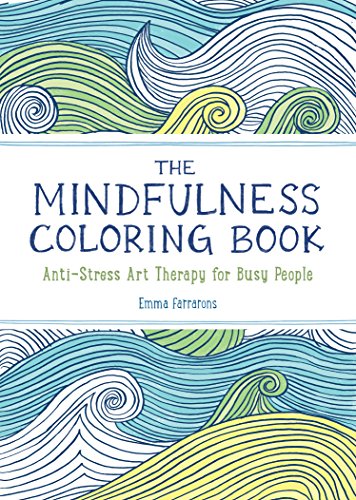
A simple starter setup does not need to be expensive. A single Mindfulness Coloring Book and a basic set of Arteza Professional 72-Color Pencils covers everything you need. The Arteza set is soft, vibrant, and forgiving, exactly what you want when fine motor skills feel like a stretch.

Set a Timer for Five Minutes
Tell yourself you will color for five minutes. That is it. If you want to stop after five, stop. Most people find that once they start, they keep going. The timer removes the pressure of commitment, which is often the biggest barrier when you are grieving.
Choose Simple Designs First
Intricate mandalas and detailed patterns can feel overwhelming when your concentration is shot. Start with larger, simpler designs, botanical outlines, basic geometric shapes, or the thicker-lined pages found in Worlds of Wonder by Mythographic. You can always graduate to more detailed pages later.

What to Color Based on How You Feel
Not all coloring pages serve the same emotional purpose. Here is a rough guide to matching your page to your mood.
When You Feel Numb or Disconnected
Choose bold, saturated colors and simple shapes. Fill a page with strong reds, deep blues, and bright yellows. The visual intensity can help you reconnect with your senses when everything feels muted.
When You Feel Overwhelmed or Anxious
Reach for repetitive, symmetrical designs like mandalas or geometric patterns. The predictability of these shapes gives your brain something steady to hold onto. Use cool colors, blues, greens, lavenders, which are associated with calm and reduce visual stimulation.
When You Feel Sad and Want to Sit With It
Nature pages, flowers, trees, ocean scenes, allow you to work slowly and intuitively. Do not worry about realistic colors. If you want to color a leaf purple, do it. The point is not the finished product. The point is being present.
When You Feel Angry or Restless
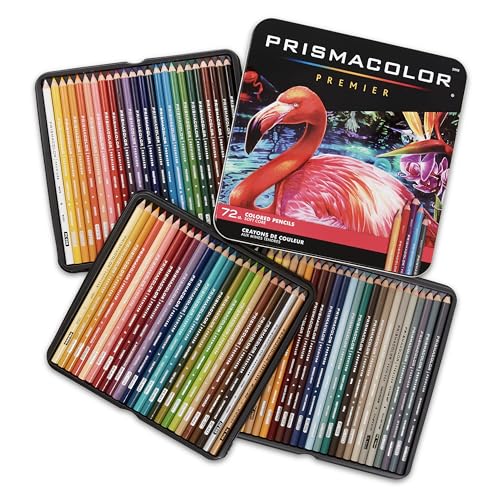
Use firm pressure and bold strokes. Burnishing, pressing hard with your pencil to fill every bit of white space, can be deeply satisfying when you have pent-up energy. Try a Prismacolor Premier 72-Color Set, the soft wax core lets you lay down heavy color without tearing the paper.
The Supplies That Make Coloring Easier When You Have No Energy
When you are grieving, you do not want to sharpen pencils for ten minutes or fight with a book that will not lay flat. Here are the supplies that reduce friction to near zero.
1. Prismacolor Premier 72-Color Set (25 to 35 Dollars)
The soft wax core makes these pencils glide across the page with minimal pressure. You get rich color without pressing hard, which matters when your hands feel weak or shaky. The wide range of colors means you will find what you need without mixing.
- Soft wax core, smooth application, minimal pressure needed
- 72 colors, plenty of variety without decision fatigue
- High pigment load, vibrant results even with light strokes
Best for most people: Prismacolor Premier 72-Color Set, the easiest pencil to pick up and start using, even on your worst days.
2. Mindfulness Coloring Book by Farrarons (8 to 12 Dollars)
This book was designed specifically for stress relief. The pages are a mix of simple and moderately detailed designs, printed on thick paper that handles colored pencils well. It is the book most therapists recommend to people new to adult coloring, and for good reason, the designs are approachable without being childish.
- Mixed complexity, simple and detailed pages in one book
- Thick paper stock, no bleed-through with pencils or light markers
- Specifically designed for mindfulness and stress relief
Best for beginners: Mindfulness Coloring Book, no pressure, no skill requirement, just gentle patterns.
3. Kum Automatic Long Point Sharpener (8 to 12 Dollars)
A dull pencil is frustrating. A pencil that snaps while sharpening is worse. The Kum sharpener uses a two-step process that creates a long, durable point without breaking soft colored pencil cores. It works with Prismacolor, Arteza, and every other wax-based pencil.
- Two-hole system, rough sharpen then fine point
- Works with soft wax-core pencils without breaking
- Compact, fits in a bag or drawer
Best sharpener for colored pencils: Kum Automatic Long Point Sharpener, saves time and frustration when you just want to start coloring.
Building a Gentle Coloring Ritual
You do not need a formal routine. But having a loose structure, a time, a place, and a simple setup, makes it more likely you will actually color when you need it most.
Morning: Set an Intention
Before reaching for your phone, open your coloring book for five minutes. You do not need to finish a page. Pick one section and fill it in. This gives your brain a calm, structured start before the day’s demands pile on.
Afternoon: Take a Grief Break
Grief waves often hit hardest in the afternoon, when energy dips and the distractions of the morning fade. Keep a small coloring book at your desk or in your bag. When a wave hits, pull it out. Five minutes of filling in shapes can interrupt a downward spiral before it takes hold.
Evening: Wind Down
Coloring before bed can help transition your brain from the day’s emotional weight to something quieter. Use cool colors and simple patterns. Avoid detailed pages that require concentration, the goal is to signal to your body that it is time to slow down, not to tackle a complex project.
Common Concerns About Coloring and Grief
Is coloring during grief just avoiding my feelings?
No. Coloring does not suppress emotions, it regulates them. Think of it as a pressure valve. When emotions are so intense that you cannot process them, coloring gives you a way to be present without being overwhelmed. It creates a window of calm that makes it easier to process feelings afterward.
What if I cannot focus long enough to color?
Start with a page that has large, open areas. You do not need to stay inside the lines perfectly. Even filling in one shape with one color counts. Some days, that is all you can do, and that is enough.
I feel guilty doing something enjoyable when I am grieving. Is that normal?
Completely normal, and worth challenging. Grief does not demand constant suffering. Small moments of relief, even something as simple as enjoying the color blue on a page, do not dishonor what you have lost. They give you the strength to keep carrying it.
Not a Prime member yet? Get FREE 2-day shipping on millions of items, plus access to Prime Video, Prime Music, and Prime Reading. Start your 30-day Prime free trial
Bottom Line
Coloring will not fix grief. Nothing does. But it can give you something many grieving people desperately need: a few minutes of calm, a small sense of control, and a low-demand way to be present with yourself when everything else feels impossible. Keep your supplies out. Set a timer for five minutes. Start with something simple. And let that be enough for today.
If you are looking for a gentle place to start, the Mindfulness Coloring Book by Farrarons paired with a set of Arteza Professional Pencils gives you everything you need, no experience required, no pressure, just color and quiet.
n
🎨 Get Your Free Stress Relief Coloring Guide
Join our newsletter and get this free printable plus weekly tips.
Price Check
Prices verified via our product tracker. Updated Sep 27.
| Amazon.com: The Mindfulness Coloring Book: Relaxing, Anti- | $9.95 | 4.3★ (1,329) |
| Amazon.com: ARTEZA Colored Pencils, 48 Wax-Based Color Pen | $0.79 | 4.7★ (6,573) |
| Amazon.com: Worlds Within Worlds: 9780593086230: Rosanes, | $15.00 | 4.8★ (5,390) |
| Amazon.com : Prismacolor Premier Colored Pencils, Soft Cor | $74.99 | 4.8★ (29,632) |
| Amazon.com: Kum AS2, Two Hole Automatic Long Point Pencil | $8.10 | 4.5★ (1,942) |
As an Amazon Associate we earn from qualifying purchases.