This article contains affiliate links. We may earn a commission from qualifying purchases.
Some content on this site is AI-assisted and reviewed by our editorial team.
We’ve thrown away more ruined coloring pages than we’d like to admit. Pages where the ink bled through, where the paper pilled up from erasing, where markers soaked through and wrecked the next design. After a while, we realized it wasn’t us — it was the paper. Building a daily coloring practice starts with choosing the right paper.
Disclosure: As an Amazon Associate, ColoredCalm earns from qualifying purchases. This post contains affiliate links, which means we may earn a commission if you click through and make a purchase, at no additional cost to you.
Here’s the thing nobody tells you when you start adult coloring: the paper your book is printed on matters more than the pencils you use. You can have a $60 set of Polychromos and still get a mediocre result on bad paper.
Why Paper Quality Matters
Coloring book paper does three jobs: it holds pigment, it resists damage, and it prevents bleed-through. Cheap paper fails at all three.
Pigment hold: Thin, smooth paper doesn’t grip pencil pigment well. Your colors look washed out no matter how hard you press. Textured paper (called “tooth”) grabs the pigment and holds it, giving you rich, vibrant results with less effort.
Durability: If you erase, blend, or layer multiple colors, thin paper pills up (those little fuzz balls) or tears. Once that happens, that spot is ruined forever.
Bleed-through: Markers, gel pens, and even heavy pencil pressure can show through thin paper. If your book is double-sided, you’ve just wrecked two designs.
Understanding Paper Specs (Without the Jargon)
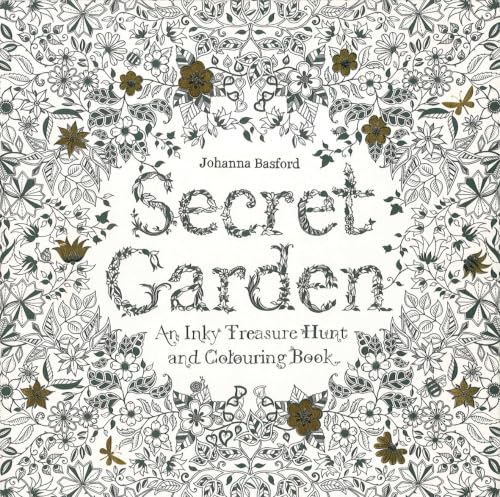
Secret Garden by Johanna Basford is printed on quality paper that handles both pencils and light marker work.
When you’re shopping for coloring books, you’ll see paper described in grams per square meter (gsm) or pounds (lb). Here’s what those numbers actually mean for you:
- 60-80gsm (40-55lb): Standard cheap paper. Fine for basic colored pencils. Markers will bleed through. Gel pens may ghost. Your pages will wrinkle if you apply any pressure.
- 100-120gsm (65-80lb): Mid-range. Works well for pencils. Some markers are okay if you’re light-handed. Still risk of ghosting with heavy ink.
- 150-200gsm (100-130lb): The good stuff. Handles pencils, markers, and light watercolor. This is what you want if you’re serious about coloring.
- 250gsm+ (130lb+): Cardstock territory. You can use basically anything on this. Usually only found in premium, single-sided books.
Single-Sided vs. Double-Sided
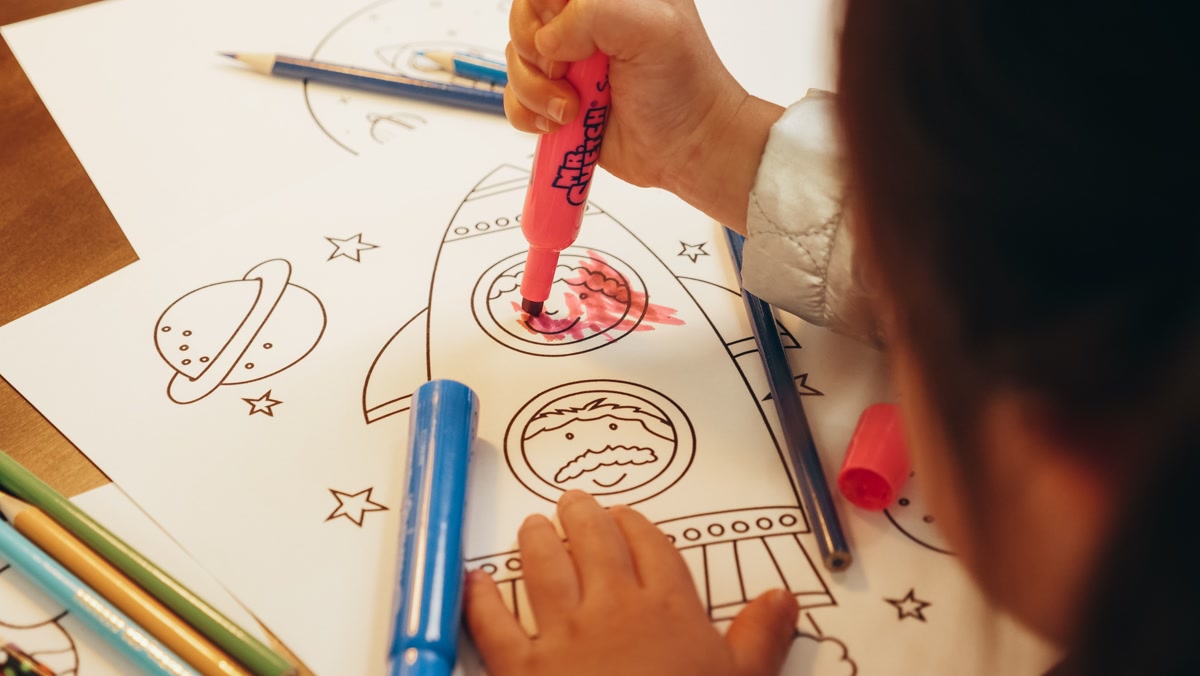
This is the single biggest quality factor for your coloring experience:
Single-sided printing means each design is on the right-hand page, and the left side is blank (or has a decorative border). This is ideal because you can use any medium without worrying about ruining the next page. It also means you can frame your finished work.
Double-sided printing means there’s a design on both sides of each page. This limits you to colored pencils (and light pressure at that). Using markers or heavy pencil work will damage the design on the other side.
If a book doesn’t specify, it’s almost certainly double-sided. Check the product description or flip through the “Look Inside” feature on Amazon.
Our Paper Quality Recommendations
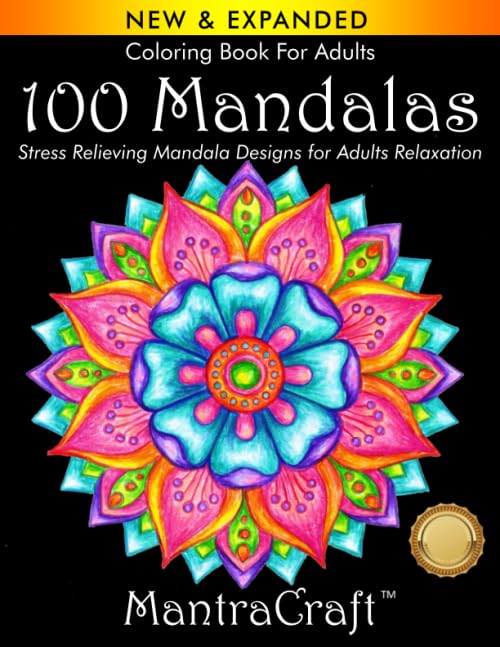
For colored pencil enthusiasts: Look for books printed on 100gsm+ paper. Johanna Basford’s books (World of Flowers, Ivy and the Inky Butterfly) use decent paper that handles pencils well. Creative Haven books are double-sided but on acceptable paper.
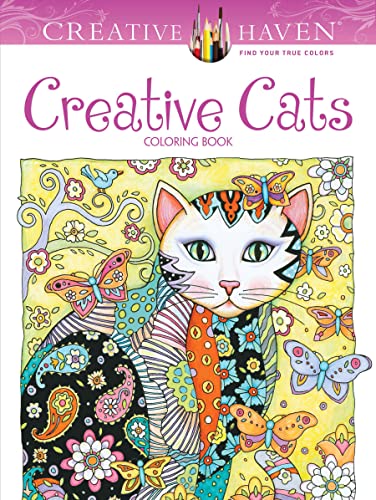
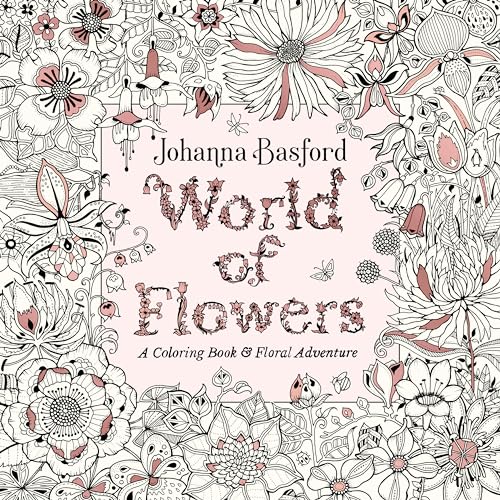
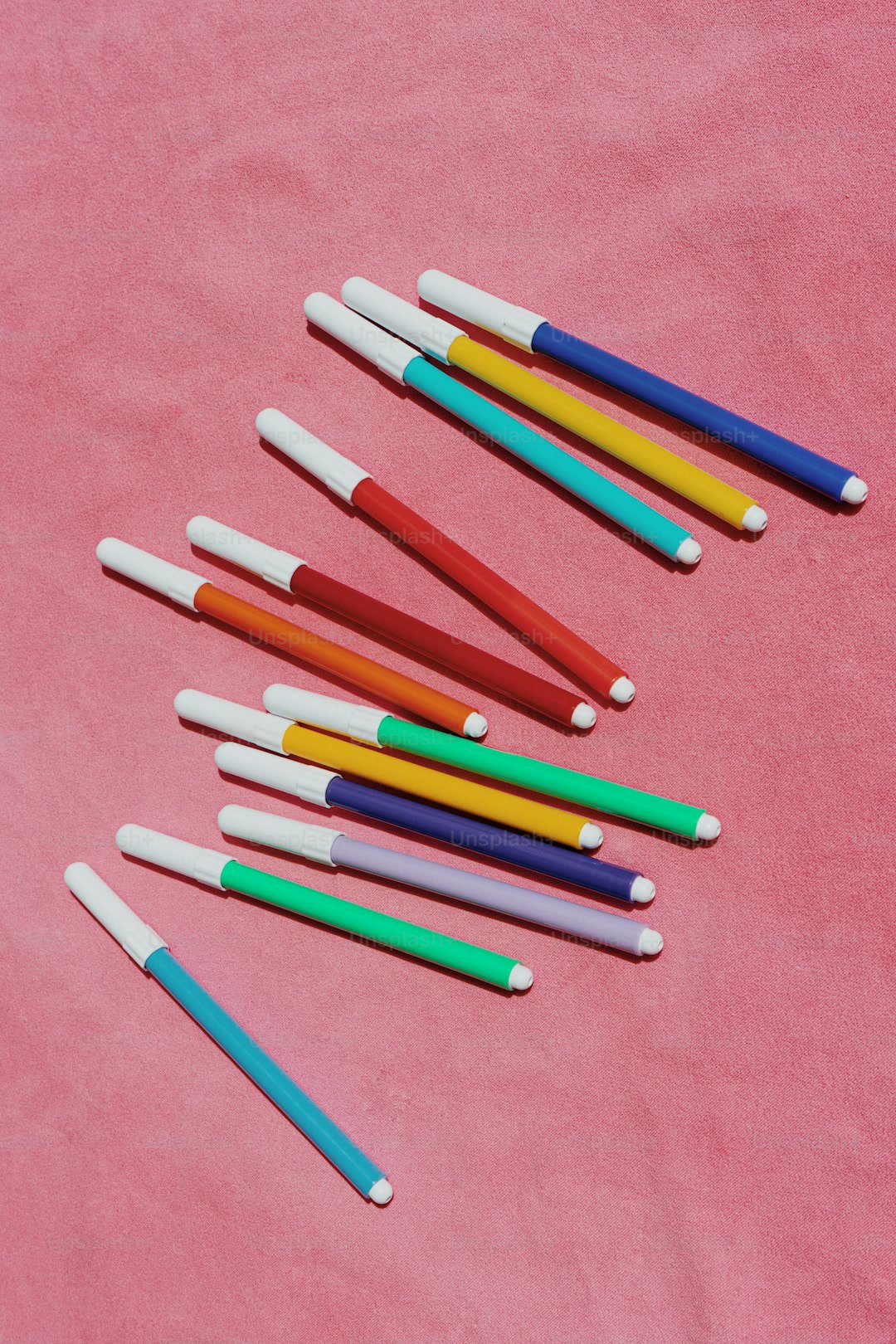
For marker fans: You need single-sided books on 150gsm+ paper. Look for books by Millie Marotta, Kerby Rosanes, or search specifically for “single-sided coloring book” and check the paper weight.
Budget hack: If your favorite book has thin, double-sided pages, buy it anyway and photocopy the pages you want to color. Print them on 160gsm cardstock from any office supply store. Yes, it costs a few cents per page. No, you won’t regret it. For a deeper dive, see our guide on picking paper that grabs pigment.
The Quick Test
Already have a coloring book and wondering about the paper? Try this: press your thumbnail firmly into a blank page (the inside cover or a page you don’t care about). If it leaves a visible dent or crease, the paper is too thin for markers and will pill up under heavy pencil work. If it barely marks, you’re in good shape. And if you make a mistake on thin paper, our guide on fixing mistakes with colored pencils can help salvage the page.
Your coloring supplies deserve paper that works with them, not against them. Spend a little more on books with decent paper (or photocopy onto better paper), and you’ll be amazed at how much better your results look.
Shop This Guide
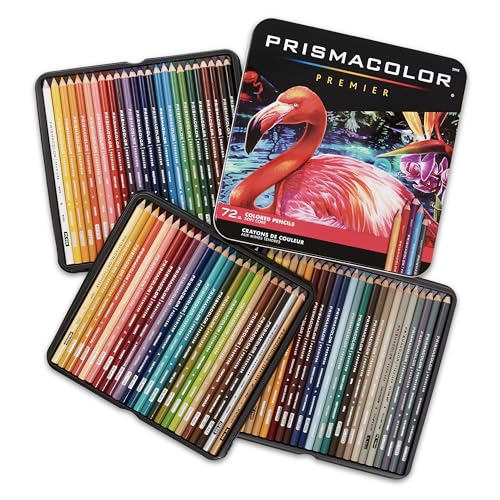
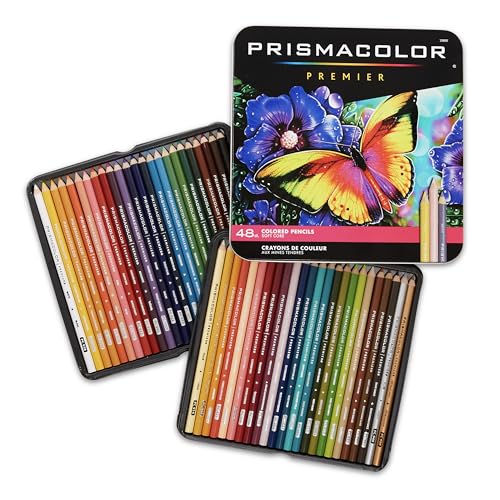
- Prismacolor Premier Colored Pencils 72-Pack
- Prismacolor Premier 72-Color Set
- Castle Art Colored Pencils 72-Pack
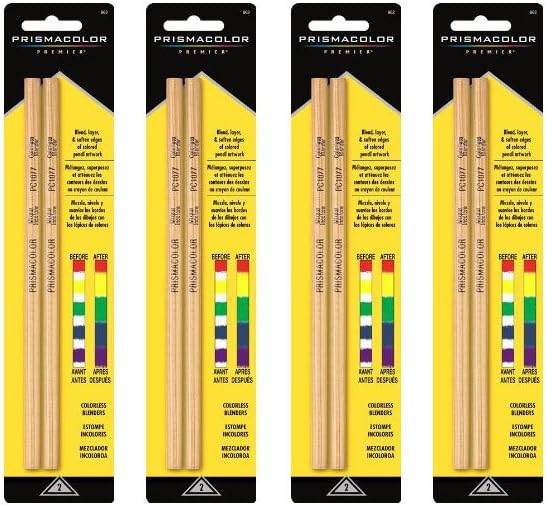
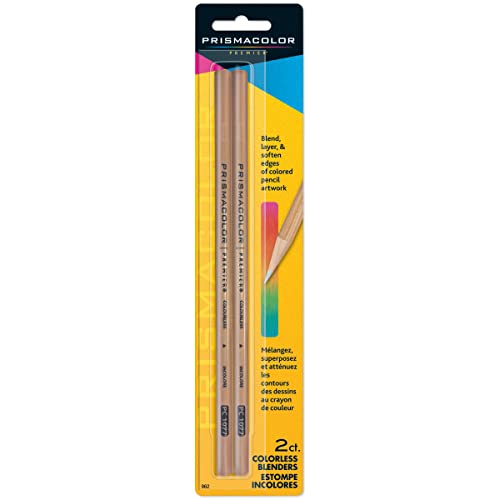
- Prismacolor Colorless Blender
- Compare prices
- Adult Coloring Book
- Compare prices
n
Read unlimited books? With Kindle Unlimited, read as much as you want from 4M+ titles, including thousands of coloring and art books. Try Kindle Unlimited FREE for 2 months
Bottom Line
Paper quality affects your coloring experience more than any pencil or marker upgrade. Look for 120+ GSM for markers, 100+ GSM for pencils, and always test a page before committing to a full project. The right paper makes every tool perform better.
My take: Paper is the cheapest upgrade with the biggest payoff in this hobby. Match it to your medium — 100gsm or better for pencils, 150gsm or better if you ever touch markers — and test one page before committing a whole evening. A $60 pencil set can’t rescue 60gsm paper, but decent paper makes a $10 set sing.
Related guides
- Slow Living Coloring: How to Turn a Simple Coloring Session Into a Mindful Daily Ritual
- Flowers: Petal Strokes, Overlap Shadows, and the 3-Tone Rule
- How to Color Metallic and Shiny Effects with Colored Pencils
- How to Color Rain and Wet Streets With Colored Pencils
- How to Fix Mistakes with Colored Pencils: A Practical Guide
🎨 Get Your Free Stress Relief Coloring Guide
Join our newsletter and get this free printable plus weekly tips.
Frequently Asked Questions
What paper weight is best for coloring books?
For colored pencils, look for 100gsm or higher. For markers, you need 150gsm or higher to prevent bleed-through. Anything below 80gsm will pill, wrinkle, and show ink through the other side. Premium single-sided books use 200gsm+ paper that handles any medium.
Should I buy single-sided or double-sided coloring books?
Single-sided is better if you use markers or gel pens, because ink will not bleed through to ruin another design. Double-sided is fine for colored pencils with light pressure. If a book does not specify, it is almost certainly double-sided. Check the Amazon Look Inside feature before buying.
Can I fix thin paper in a coloring book I already own?
Yes. Photocopy the pages you want to color onto 160gsm cardstock from any office supply store. It costs a few cents per page and gives you marker-friendly paper without buying a new book. This is the best budget hack for expensive double-sided books.
How do I test coloring book paper quality before buying?
Press your thumbnail firmly into a blank page. If it leaves a visible dent or crease, the paper is too thin for markers and will pill under heavy pencil work. If it barely marks, the paper has enough tooth and weight for most coloring mediums.
Liked this guide? Get the next one in your inbox — the coloring starter checklist is free too.
✓ You're in — check your inbox.
No spam. Unsubscribe anytime. We never share your email.
Prices move fast. Start your Amazon trip from our Shop & Support page and your purchases support ColoredCalm at no extra cost to you.
Price Check
Prices verified via our product tracker. Updated Oct 17.
As an Amazon Associate we earn from qualifying purchases.