This article contains affiliate links. We may earn a commission from qualifying purchases.
Some content on this site is AI-assisted and reviewed by our editorial team.
Coloring Book Paper Quality Guide: Weight, Binding, and What to Look For
Paper quality is the difference between a coloring book you love and one you abandon after three pages. Thin paper that bleeds through, bindings that do not lay flat, paper that pills under heavy pencil pressure, these are problems that ruin the coloring experience. But most coloring book buyers never check paper specs before purchasing, and they end up disappointed.
This guide covers everything you need to know about coloring book paper quality so you can make informed buying decisions. Whether you use colored pencils, markers, or gel pens, understanding paper weight, binding, and coating will help you choose books that work with your preferred medium.
Paper Weight: The Most Important Spec
Paper weight is measured in grams per square meter (gsm) or pounds (lb). Higher numbers mean thicker, sturdier paper. For coloring books, weight determines what media you can use without bleed-through or damage.
Standard coloring Book Paper (70-80 lb / 100-120 gsm)
Most mass-market coloring books use paper in this range. It is thin enough to be affordable and works fine with colored pencils. However:
- Colored pencils: Work well. The paper has enough tooth for pencil pigment to grip, and 3-4 layers can be built up without damaging the surface.
- Gel pens: Work well. The ink sits on the surface and dries without soaking through.
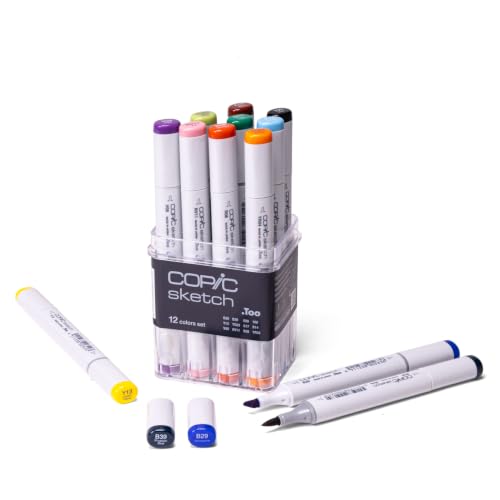
- Markers: Will bleed through. Alcohol markers (Copic, Ohuhu) soak through immediately. Water-based markers (Crayola) may not bleed through but will ghost on the reverse side.
If you use pencils, standard paper is fine. If you use markers, you need heavier paper.
Premium Coloring Book Paper (100-110 lb / 150-170 gsm)
Premium coloring books use thicker paper that handles most media without bleed-through. Books from publishers like ColorIt and certain Creative Haven titles use paper in this range.
- Colored pencils: Excellent. The thicker paper handles heavy layering and burnishing without pilling or warping.
- Gel pens: Excellent. No bleed-through, no ghosting.
- Markers: Light marker applications work. Heavy alcohol marker saturation may still bleed through on cheaper premium paper.
If you use markers, look for books with 100+ lb paper. This is the minimum weight for marker compatibility.
Artist-Grade Paper (140+ lb / 260+ gsm)
Paper at this weight is essentially cardstock. It handles any medium including heavy marker washes, watercolor, and mixed media. Very few coloring books use paper this heavy because it makes the book thick and expensive. If you want to use markers freely, consider buying books with 140 lb paper or using loose sheets of watercolor paper.
Binding Types: How the Book Stays Open
Binding affects how the book behaves while you color. A binding that does not lay flat forces you to hold the book open with one hand, which is tiring and imprecise.
Spiral Binding
Spiral-bound coloring books lay completely flat, which is ideal for coloring. The pages turn easily, and you can fold the book back on itself for single-page coloring. The downside is that spiral binding is less durable than other types, the spiral can bend or the wire can snag on other items in your bag.
ColorIt books use spiral binding, which is one reason they are popular among serious colorists.
Perfect Binding (Glued Spine)
Most coloring books use perfect binding, where pages are glued to the spine. This binding is durable and inexpensive, but it does not lay flat naturally. You have to press the spine to break it in, and even then, the book tends to close on its own.
To make a perfect-bound book lay flatter, run your thumb down the spine a few times to loosen the glue. This helps but does not fully solve the problem.
Saddle-Stitch Binding
Saddle-stitch binding uses staples through the spine fold. It is common in thinner coloring books and pamphlets. Saddle-stitch books lay flat easily but cannot hold many pages, so they are limited to shorter books.
Perforated Pages
Perforated pages have a dotted line along the binding edge that lets you tear the page out cleanly. This is a feature, not a binding type, but it is worth looking for. Perforated pages let you remove finished work for framing, scanning, or coloring on a flat surface without the book getting in the way.
Creative Haven books are known for perforated pages. If you plan to frame or display your work, perforations make the process much easier.
Single-Sided vs. Double-Sided Printing
Coloring books print designs on one side (single-sided) or both sides (double-sided) of each page. This affects which media you can use.
Single-Sided Printing
Each page has a design on the front and a blank back. This means bleed-through does not ruin another design, the worst case is a mark on the blank reverse. Single-sided books are compatible with all media including markers.
The downside is that single-sided books have half as many designs per page count. A 100-page single-sided book has 50 designs, while a 100-page double-sided book has 100.
Double-Sided Printing
Each page has designs on both sides. This gives you more designs per book, but bleed-through from markers will ruin the design on the reverse side. Double-sided books are pencil-only unless the paper is thick enough to prevent bleed-through.
If you use markers, avoid double-sided books or check the paper weight carefully. If you use pencils exclusively, double-sided books offer better value.
How to Choose the Right Coloring Book for Your Medium
Use this quick reference when shopping for coloring books:
- Colored pencil user: Any paper weight works. Look for perforated pages and a binding that lays flat. Double-sided printing is fine.
- Marker user: Look for 100+ lb paper, single-sided printing, and spiral binding if possible. Avoid double-sided books unless the paper is 110+ lb.
- Gel pen user: Any paper weight works. Gel ink does not bleed through standard paper. Look for books with smooth paper for the best ink flow.
- Mixed media user: Look for 110+ lb paper, single-sided printing, and spiral binding. Consider loose-leaf watercolor paper pads for maximum flexibility.
Recommended Books by Paper Quality
Best for markers: ColorIt books, 110 lb paper, single-sided, spiral binding. The best all-around choice for marker users.
Best for pencils: Johanna Basford books (Secret Garden, Enchanted Forest), high-quality paper with excellent tooth for colored pencil layering.
Best value: Creative Haven books, 80 lb paper, perforated pages, moderate price. Good for pencils and gel pens, not markers.
Disclosure: As an Amazon Associate, ColoredCalm earns from qualifying purchases. This means we may earn a commission when you buy through links on this page, at no extra cost to you.
Love audiobooks? Get 3 months of Audible for just $0.95/month. Try Audible now
Not a Prime member yet? Get FREE 2-day shipping on millions of items, plus access to Prime Video, Prime Music, and Prime Reading. Start your 30-day Prime free trial
Bottom Line
Paper quality is not a detail, it is the foundation of your coloring experience. Check the paper weight before buying any coloring book. If you use markers, demand 100+ lb single-sided paper. If you use pencils, any weight works but perforated pages and flat-laying binding make coloring more comfortable. Spending a few dollars more for better paper saves you from frustration, ruined pages, and books you abandon halfway through.
🎨 Get Your Free Stress Relief Coloring Guide
Join our newsletter and get this free printable plus weekly tips.
Price Check
Prices verified via our product tracker. Updated Sep 27.
| Amazon.com: Copic Sketch 12-Color Set, Refillable Blendabl | $70.20 | 4.7★ (2,804) |
| Amazon.com: Ohuhu Alcohol Markers Brush& Fine 72 Colors fo | $74.99 | 4.6★ (111) |
| Amazon.com: Crayola Washable Markers, Broad Line, Coloring | $6.99 | 4.7★ |
| Amazon.com: Strathmore 300 Series Watercolor Paper Pad, 9x | $10.83 | 4.7★ (2,859) |
| Amazon.com: ColorIt Steampunk Adult Coloring Book Spiral B | $25.99 | 4.7★ (1,997) |
| Amazon.com: Creative Haven Creative Cats Coloring Book (Ad | $7.99 | 4.8★ (5,312) |
| Secret Garden: An Inky Treasure Hunt and Coloring Book for | $15.95 | 4.7★ (16,080) |
As an Amazon Associate we earn from qualifying purchases.