
This article contains affiliate links. We may earn a commission from qualifying purchases.
Some content on this site is AI-assisted and reviewed by our editorial team.
https://coloredcalm.com/watercolor-pencils-for-adult-coloring-books-a-complete-guide-to-choosing-and-using-them/
Watercolor Pencils for Adult Coloring Books: A Complete Guide to Choosing and Using Them
Watercolor pencils are one of those art supplies that sounds too good to be true. You draw with them like regular colored pencils, then hit the pigment with a wet brush and it turns into paint. I picked up a set last year after struggling with markers bleeding through my coloring books, and now they’re my go-to for anything with larger areas to fill.
I spent a few weeks testing the most popular watercolor pencil sets specifically on adult coloring book paper. The way these pencils perform on 80 lb book paper is very different from how they behave on 140 lb watercolor paper, and most reviews skip that distinction entirely. Here’s what I found, ranked from best to “maybe skip this one.”
I learned the hard way that some of these pencils buckle thin book paper within seconds of applying water. Two pages in my favorite Mandala Designs book are now permanently wavy, which is why I test on the back pages first now.

Why Watercolor Pencils Are Worth Trying
If you’ve ever stared at your markers vs colored pencils and thought you wanted the precision of a pencil but the smooth coverage of a marker, watercolor pencils solve that problem.
Used dry, they work just like any colored pencil. You can shade, layer, and add fine details without needing water at all. But hit that dry pigment with a damp brush and it dissolves into a watercolor wash that flows and fills areas with smooth, even color. Two art supplies in one barrel.
The intensity is adjustable too. Light pressure with a dry pencil gives you soft, subtle color. Heavy pressure followed by a wet brush gives you bold, saturated color. The same pencil covers a wide range of effects.
Where watercolor pencils really shine is blending. With dry colored pencils, blending takes layers and patience. With watercolor pencils, blue and yellow actually mix into green when you hit them with a brush. The colors merge on the page instead of just sitting next to each other.
The catch is that not all watercolor pencils are created equal. Some activate beautifully with water while others leave streaky, uneven messes. And since most adult coloring books use thinner paper than traditional watercolor paper, the wrong pencils can damage your pages.
How We Tested
I wanted this to reflect how you’ll actually use these pencils: in coloring books, at your kitchen table, with the supplies you most likely already own.
Pigment quality: How rich and vivid is the color straight out of the pencil? I compared side-by-side swatches across each set’s full color range.
Blendability: How smoothly do colors transition into each other, both dry (layering) and wet (brush activation)?
Water activation: How easily does dry pigment turn into paint when touched with a wet brush? Good watercolor pencils dissolve quickly and evenly. Bad ones fight you.
Color range: How many unique, useful colors are in the set? A 72-color set with 15 near-identical reds isn’t as useful as a 48-color set with thoughtful variety.
Price per pencil: Because paying premium prices for mediocre pencils hurts, and budget pencils that perform like premium ones are a beautiful thing.
I tested every set on three surfaces: standard coloring book paper (60-80 lb), slightly heavier artist-grade drawing paper (98 lb), and actual watercolor paper (140 lb cold press). If you’ve read our guide on why paper quality matters, you already know the surface changes everything.
Let’s get to the rankings.
Disclosure: As an Amazon Associate, we earn from qualifying purchases. This post contains affiliate links. If you click and purchase, we may earn a commission at no extra cost to you.
1. Faber-Castell Albrecht Durer Watercolor Pencils: Best Overall
Shop Faber-Castell Albrecht Durer on Amazon
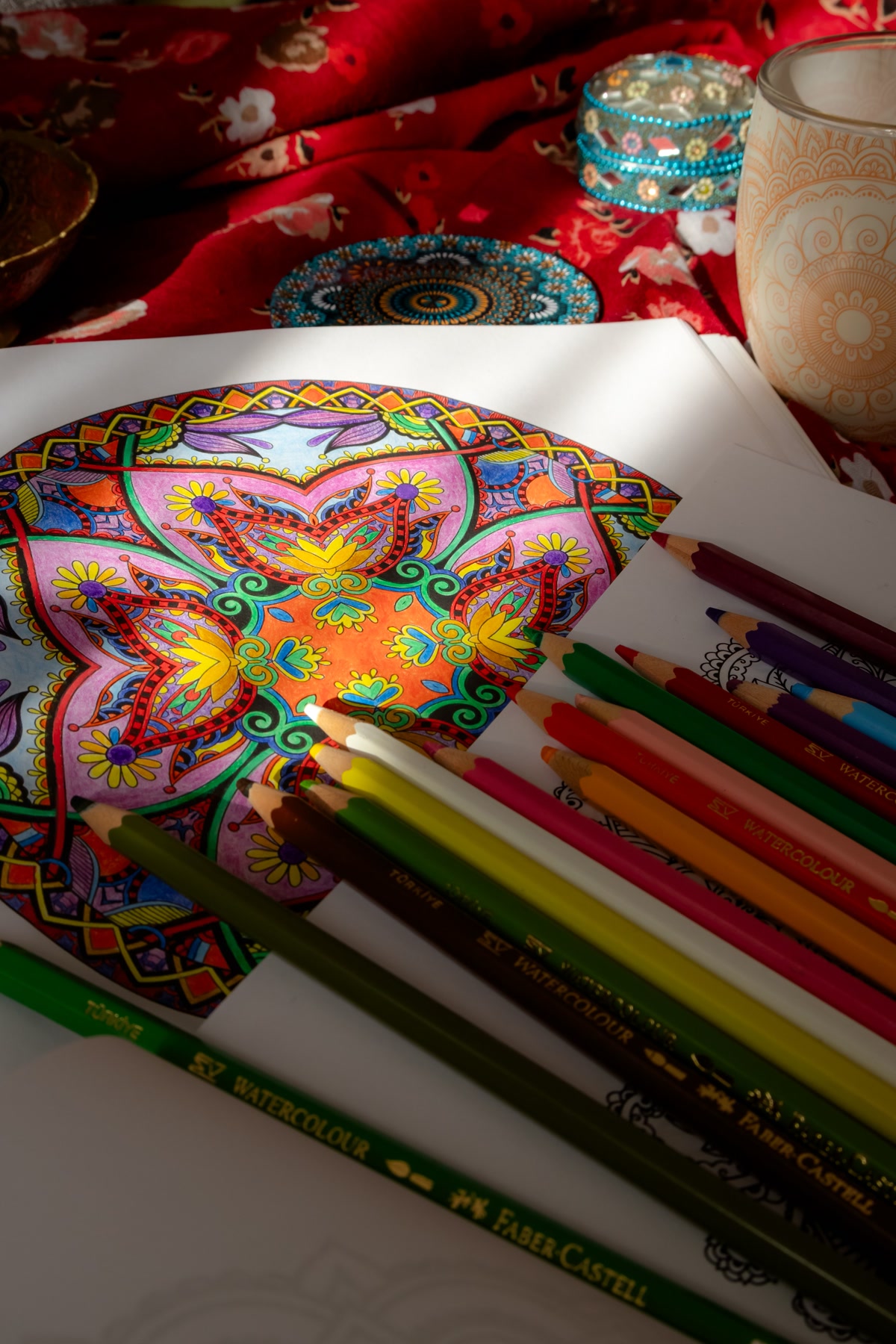
If there’s a gold standard for watercolor pencils, this is it. Named after the German Renaissance painter, the Albrecht Durer line brings serious pigment quality to your coloring book. The first thing I noticed when I opened the 36-color set was how heavy the barrel feels compared to cheaper pencils. There’s real pigment in these things.
What works:
- The pigment density is ridiculous. Even light pressure lays down intense color, and one thin layer activated with water produces color that rivals dedicated watercolor paints. I swatched the cadmium yellow next to a tube of my Cotman watercolor paint and could barely tell the difference.
- Water activation is nearly instant. Touch a damp brush to the dry pigment and it dissolves immediately, no scrubbing, no streaks. Just smooth, even washes.
- The 72-color set is thoughtfully curated with minimal redundancy. Every pencil earns its spot, unlike some sets that pad the count with near-identical shades.
- These are rated for lightfastness, meaning your finished pieces won’t fade over time. Most other watercolor pencils can’t claim this.
- The hexagonal barrel is comfortable and won’t roll off the table. Small thing, but you notice it after a few hours of coloring.
What doesn’t:
- The 72-color set will set you back a decent amount. These are an investment, no question.
- The high pigment content means softer leads that can crumble. The core snapped on my third sharpening before I learned to use a lighter hand. Get a good sharpener and don’t crank down on it.
If you’re serious about watercolor pencils and want the best performance possible, the Albrecht Durer set delivers. The pigment quality and water activation are on another level. Worth every penny if coloring is your main creative outlet.
2. Caran d’Ache Museum Aquarelle: Best Premium Pick
Shop Caran d’Ache Museum Aquarelle on Amazon
Swiss-made and absurdly high-quality, the Museum Aquarelle line is what professional watercolor artists reach for. These are legitimately artist-grade materials that happen to work beautifully in coloring books. At 80% pigment by volume, they’re the most pigment-dense pencils I tested.
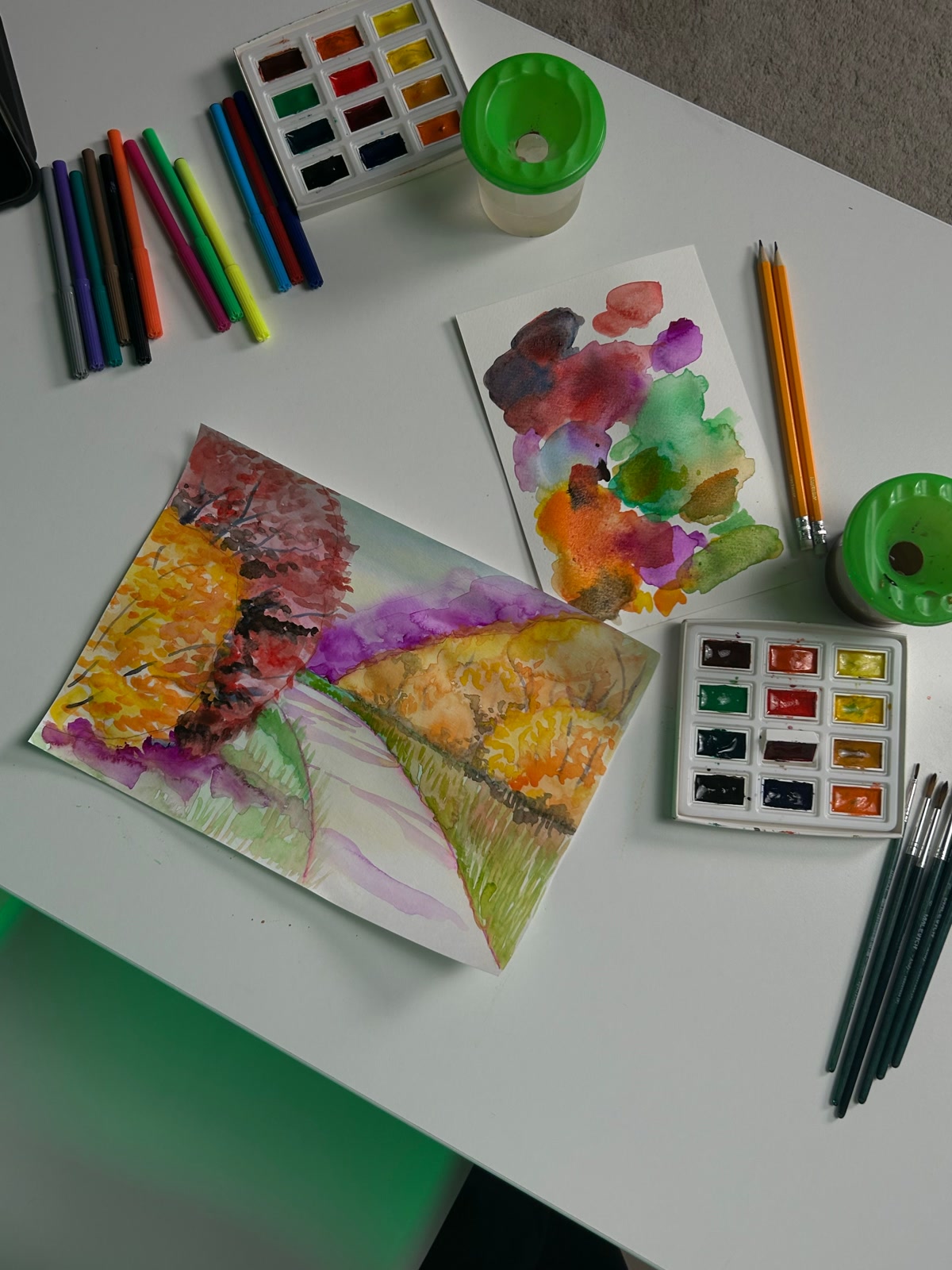
The colors are impossibly rich. When I activated the ultramarine on watercolor paper, it pooled and granulated like tube paint. On coloring book paper, you have to be more careful because the pigment is so concentrated that it can oversaturate the page if you’re heavy-handed with the brush.
The blending is where these really separate themselves. Two colors merge into a seamless gradient with almost no effort. On the Albrecht Durers, I sometimes need two passes to get a clean blend. With the Museum Aquarelles, one pass does it.
The tradeoff is price. The 76-color set is the priciest option on this list by a significant margin. Smaller sets are available but still costly for someone just trying watercolor pencils out. If budget isn’t a concern and you want the absolute best, Museum Aquarelle is it. For most adult colorists, the Albrecht Durers above give you 90% of the performance at a more approachable price.
3. Derwent Watercolour Pencils: Best for Beginners
Shop Derwent Watercolour Pencils on Amazon
Derwent has been making pencils in the Lake District of England since 1832, and their watercolour line is a fantastic entry point into the watercolor pencil world. These hit the sweet spot between quality and affordability.
Water activation is smooth and quick with a wet brush, not quite as instant as the Albrecht Durers but impressively close. I tested the 72-color set on standard coloring book paper and the pigment dissolved evenly across most colors. A few of the lighter tints needed extra brushing to get a fully even wash, but nothing that ruined the experience.
The leads are medium-soft, which I found to be a good middle ground. Not so soft they crumble under normal pressure, not so hard they feel scratchy on the page. They hold a point well enough for most coloring book designs while still laying down good pigment. The round barrel is a personal gripe since they roll off my desk constantly, but that’s what a pencil holder is for.
Side-by-side with the top two picks, the colors are noticeably less vivid. You’ll need more layers to build up the same saturation. That said, the price is significantly lower than the Albrecht Durers or Museum Aquarelles while still delivering genuinely good performance. If you’re new to watercolor pencils and don’t want to spend premium money to find out if you like them, start here. The quality is high enough that you won’t feel like you’re fighting your tools, and the price makes experimentation painless.
4. ARTEZA Watercolor Pencils: Best Budget Pick
Shop ARTEZA Watercolor Pencils on Amazon
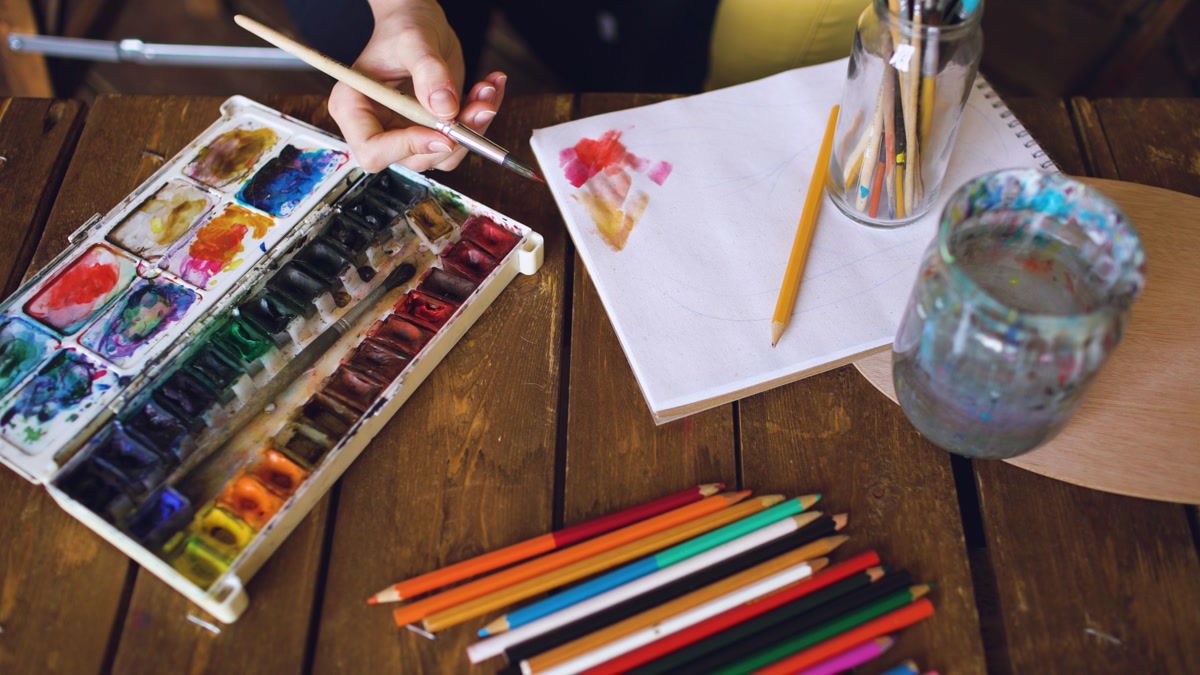
Arteza has built a reputation for decent art supplies at prices that don’t sting, and their watercolor pencils continue that tradition. These won’t blow you away, but they’ll get the job done if you’re on a budget.
The 72-color set costs significantly less per pencil than any premium option. You get a big color range without the big price tag, and the variety across hues is reasonable. You’ll find useful shades across the whole spectrum.
Water activation is workable but not smooth. Some colors dissolve fine while others leave stubborn patches that require extra brushing. The harder leads feel scratchier on paper, especially on smoother coloring book pages, and you’ll need more pressure to lay down pigment. Colors look noticeably washed out compared to premium sets, even before adding water. After activation, the gap becomes even more obvious.
Still, there’s real value here. Since they’re affordable, you won’t feel guilty using them liberally, experimenting with techniques, or making mistakes. If you’re on a tight budget or just want to try watercolor pencils without committing much money, Arteza is a solid choice. But if you can stretch your budget a bit, the Derwent set above is noticeably better for only a little more.
Already have regular colored pencils? Our best colored pencils under 50 dollars guide has some great dry-only picks that pair well with watercolor pencils.
5. Staedtler Watercolor Pencils: Best for Fine Details
Shop Staedtler Watercolor Pencils on Amazon
Staedtler is a household name in pencils, and their watercolor line carries the same German engineering you’d expect. These pencils have a unique personality: they’re harder than most watercolor pencils, which makes them surprisingly good at fine detail work.
What works:
- The harder leads hold a sharp point much longer than softer watercolor pencils. If your coloring books have intricate designs (think Johanna Basford-style pages with tiny spaces), these let you color the small bits accurately. I colored an entire mandala without needing to resharpen once.
- Water activation is clean. The pigment dissolves without the muddy pooling that cheaper pencils can produce.
- The leads are durable. I dropped a pencil on a hard floor and the core survived intact, which would have been instant death for an Albrecht Durer.
- Solidly mid-range on price. Not the cheapest, not the most expensive.
What doesn’t:
- Because the leads are harder, you need more pressure and more passes to build up color. Less efficient for filling large areas.
- The sets top out at fewer colors than most competitors, so you’ll be mixing more to get the shades you want.
- The pigment doesn’t dissolve as quickly as the top picks. You’ll need to hold the wet brush on the color a bit longer to fully activate it.
If you primarily work on highly detailed coloring pages with tiny spaces, Staedtler’s ability to hold a fine point is a genuine advantage. For most people, though, the Derwent or Albrecht Durer sets offer more versatile performance.
6. Castle Art Supplies Watercolor Pencils: Solid Starter Set
Shop Castle Art Supplies Watercolor Pencils on Amazon
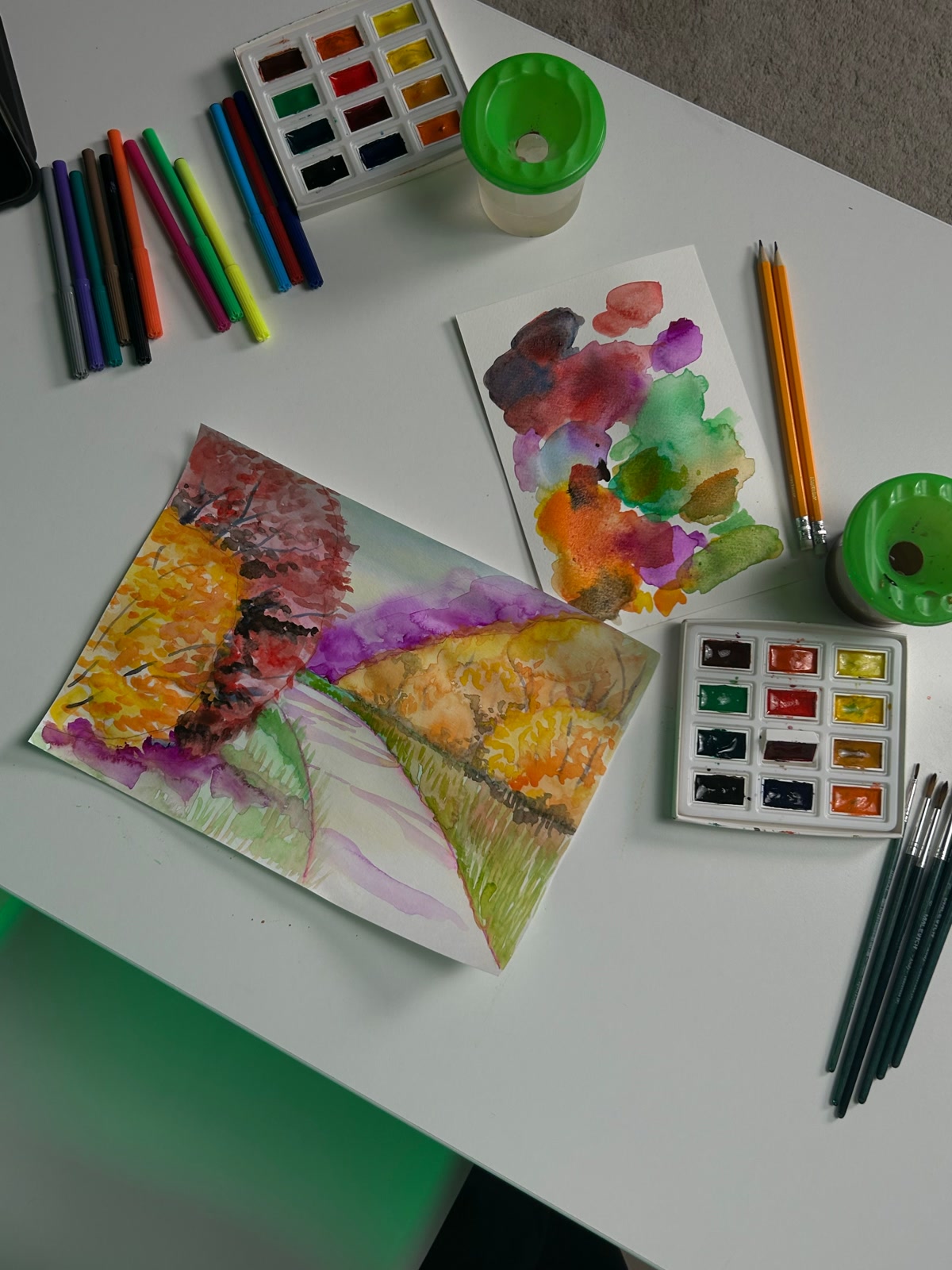
Castle Art Supplies makes affordable art supply kits aimed at beginners and casual crafters. Their watercolor pencils are exactly what you’d expect: competent, inexpensive, and fine for learning but not going to wow anyone who’s used better pencils.
At this price point, you’re getting a full range of watercolor pencil colors for less than you’d pay for a small set from the premium brands. Most sets come with a brush and a nice tin, which is helpful if you’re starting from scratch. The tin is sturdy and keeps pencils organized, which is a small but appreciated touch.
The reality of using them is mixed. The colors are noticeably less vivid than every other set on this list. After water activation, some colors look quite washed out. Quality is inconsistent across the set, with some pencils performing noticeably better than others, like a grab bag. Water activation is spotty: some colors dissolve well, others leave stubborn streaks regardless of technique. The leads are also more fragile than any other set I tested. Expect frequent sharpening and some wasted pencil from breakage.
If you’re coloring with kids or just want to try the watercolor pencil technique without investing much, these do the job. But if you can spend just a bit more, the Arteza set is a better budget option with more consistent quality.
How to Use Watercolor Pencils in Coloring Books (Step by Step)
New to watercolor pencils? The technique is simpler than you might think. Here’s my go-to method that works on most coloring book pages.
Step 1: Apply Color Dry
Use the pencil just like a regular colored pencil. Color in your area with light-to-medium pressure. You don’t need to fill it in completely. A lighter application often works better because you can always add more pigment later. Think of it like laying down a map of where you want the color to go.
Color in small circles rather than back-and-forth strokes. This gives more even coverage that activates smoothly with water.
Step 2: Activate with a Wet Brush
Dip a fine-tipped water brush (or a small round brush dipped in water) and gently trace over the colored area. The pigment will dissolve and spread, creating that watercolor wash. Start with minimal water. You can always add more, but you can’t take it away.
Use a light touch and let the water do the work. Don’t scrub or press hard, that damages the paper.
Step 3: Blend While Wet
This is where the magic happens. While the activated area is still wet, you can introduce a second color by coloring into the wet area with another pencil, or by activating a neighboring area and letting the two wet zones merge together. Blue and yellow become green. Red and yellow become orange. The blending happens right on the page.
Step 4: Let It Dry, Then Layer
Here’s the secret most beginners miss: let each wet layer dry completely before adding more. Once dry, you can add another layer of dry pencil on top, then activate that layer with water. This builds depth and richness that a single pass can’t achieve.
For more technique tips, check out our 5 coloring techniques that will improve your pages. Several of them work beautifully with watercolor pencils.
Paper Matters: Which Coloring Books Work with Watercolor Pencils
This is the part most review guides skip, and it’s critical. Watercolor pencils need paper that can handle some moisture, but most adult coloring books are printed on paper that’s way too thin for wet media.
Here’s the honest breakdown.
Works great:
- Johanna Basford’s books (Secret Garden, Enchanted Forest) are printed on thicker, creamier paper that handles light water application surprisingly well. Use minimal water and you’ll be fine.
- Books printed on 120+ gsm paper. Many premium coloring books specify paper weight, so look for this.
- Single-sided printing. If the designs are only on one side of each page, you have more leeway because bleeding through won’t ruin another design.
Proceed with caution:
- Standard 80-100 gsm coloring books. You can use watercolor pencils dry without any issue. For wet application, use a very light touch with the brush and minimal water.
- Double-sided books on standard paper. Wet application is risky. Consider using these pencils dry-only, or place a sheet of cardstock behind the page to protect the next design.
Skip the wet technique entirely:
- Books printed on thin, glossy paper. The water will buckle and damage the page. Use these pencils dry only, and check out our best gel pens guide instead for these types of books.
If your coloring book can’t handle water, use the watercolor pencils dry. They still perform beautifully as regular colored pencils, just without the wash effect. You can also use a blender pencil (a colorless pencil designed to burnish and smooth dry pigment) to get some of that blended look without any water at all.
Common Mistakes Beginners Make with Watercolor Pencils
I’ve made all of these mistakes myself, so don’t feel bad if you recognize a few.
Using too much water. This is the number one mistake. A little water goes a long way with watercolor pencils. If your page is buckling, colors are bleeding outside the lines, or everything looks muddy, use less water. Start with a barely-damp brush and add water gradually.
Not letting layers dry. Wet layers on wet layers equals mud. Every time. Let each wet application dry completely before adding more. A hair dryer on low can speed this up if you’re impatient (no judgment).
Pressing too hard with the pencil. Heavy pressure lays down a lot of pigment that can be hard to control when activated with water. Light pressure gives you more control and smoother results. Build up color in thin layers instead.
Using the wrong brush. A big fluffy watercolor brush is going to flood your coloring book pages. Use a fine-tipped water brush or a small round brush (size 2-4). You need precision, not volume.
Skipping the test. Always test your technique on a blank page in the back of the book before committing to a design. Every book and pencil combo behaves differently, and two minutes of testing saves hours of frustration.
Mixing brands in wet applications. Different brands use different binders and pigment formulations. When you activate two different brands with water side by side, they may not blend smoothly. Stick with one brand per piece for wet techniques, or at least test the combination first.
Want to listen to audiobooks while you color? Try Audible Premium Plus FREE for 30 days and get 1 free audiobook. Start your free trial
Which One Should You Buy?
Still not sure? Here’s the quick version.
- Best overall: Faber-Castell Albrecht Durer. The gold standard. Best pigment, best water activation, best overall experience. If you’re all-in on coloring, this is the one.
- Best premium (budget no object): Caran d’Ache Museum Aquarelle. Absurdly good pigment and blending. For serious artists who want the absolute best.
- Best for beginners: Derwent Watercolour. Great performance at a reasonable price. The perfect set to learn with.
- Best budget: ARTEZA Watercolor Pencils. Decent quality at the lowest price. Good for trying the technique without commitment.
- Best for detailed work: Staedtler Watercolor Pencils. Hard leads that hold a point for intricate designs.
My personal recommendation for most people: Start with the Derwent set. It’s good enough to produce beautiful work, affordable enough that you won’t stress about it, and the quality is high enough that you won’t feel like you’re fighting your tools. If you fall in love with watercolor pencils (and odds are you will), upgrade to the Albrecht Durers later.
Happy coloring!
🎨 Get Your Free Stress Relief Coloring Guide
Join our newsletter and get this free printable plus weekly tips.
Price Check
Prices verified via our product tracker. Updated Sep 27.
| Amazon.com : Prismacolor Premier Colored Pencils, Soft Cor | $74.99 | 4.8★ (29,632) |
| Amazon.com: Polychromous Colored Pencil Set In Metal Tin 6 | $79.56 | 4.8★ (4,529) |
| Amazon.com: ARTEZA Colored Pencils, 48 Wax-Based Color Pen | $0.79 | 4.7★ (6,573) |
| Amazon.com: Crayola Adult Colored Pencil Set (100ct), Prem | $24.08 | 4.7★ (55,736) |
| Amazon.com: Kum AS2, Two Hole Automatic Long Point Pencil | $8.10 | 4.5★ (1,942) |
| Amazon.com: Faber-Castell Kneadable Eraser for Artists in | $35.00 | 4.7★ (21,212) |
| Secret Garden: An Inky Treasure Hunt and Coloring Book for | $15.95 | 4.7★ (16,080) |
| Amazon.com: Enchanted Forest: An Inky Quest and Coloring b | $8.68 | 4.8★ (8,477) |
As an Amazon Associate we earn from qualifying purchases.