This article contains affiliate links. We may earn a commission from qualifying purchases.
Some content on this site is AI-assisted and reviewed by our editorial team.
You Don’t Need to Be an Artist to Get This Benefit
If you’ve ever scrolled past those impossibly detailed coloring pages on Instagram and thought “I could never do that”, this guide is for you.
Here’s the thing nobody tells you about coloring for anxiety: the result doesn’t matter. What matters is the doing. The 20 minutes you spend filling in shapes with color isn’t about making something pretty. It’s about giving your brain something structured to focus on so it stops spinning.
This isn’t woo. It’s neurobiology. And by the end of this guide, you’ll know exactly how to set up a daily coloring practice that actually helps, no art skills required.
Why Coloring Works for Anxiety (The Science)
The Neuroscience of Repetitive Motion
When you’re anxious, your brain’s default mode network goes into overdrive, that’s the rumination loop where the same worried thought plays on repeat. Repetitive, structured activities (like coloring inside lines) activate the brain’s task-positive network, which literally competes with the anxiety loop for bandwidth.
A 2020 study in the International Journal of Art Therapy found that 45 minutes of structured coloring significantly reduced cortisol levels and self-reported anxiety, and the effect was strongest for people who colored within defined lines, not free-drawing.
Translation: The constraints are the point. The lines give your brain just enough structure to stay engaged without demanding creative decisions that could trigger more anxiety.
Why “I’m Not Creative” Is Exactly Right
People who say “I’m not creative enough for coloring” are missing the point entirely. Coloring is the opposite of creative decision-making, it’s structured repetition with low stakes. You don’t have to decide what to draw. You don’t have to compose a scene. You pick a color and fill a shape. That’s it.
The limited choices are the feature, not the bug. Decision fatigue is real, and anxiety makes it worse. Coloring reduces the number of decisions you need to make to essentially zero: pick a color, fill a space. The simplicity is what makes it effective.
How to Set Up Your Practice (5 Minutes, No Special Equipment)
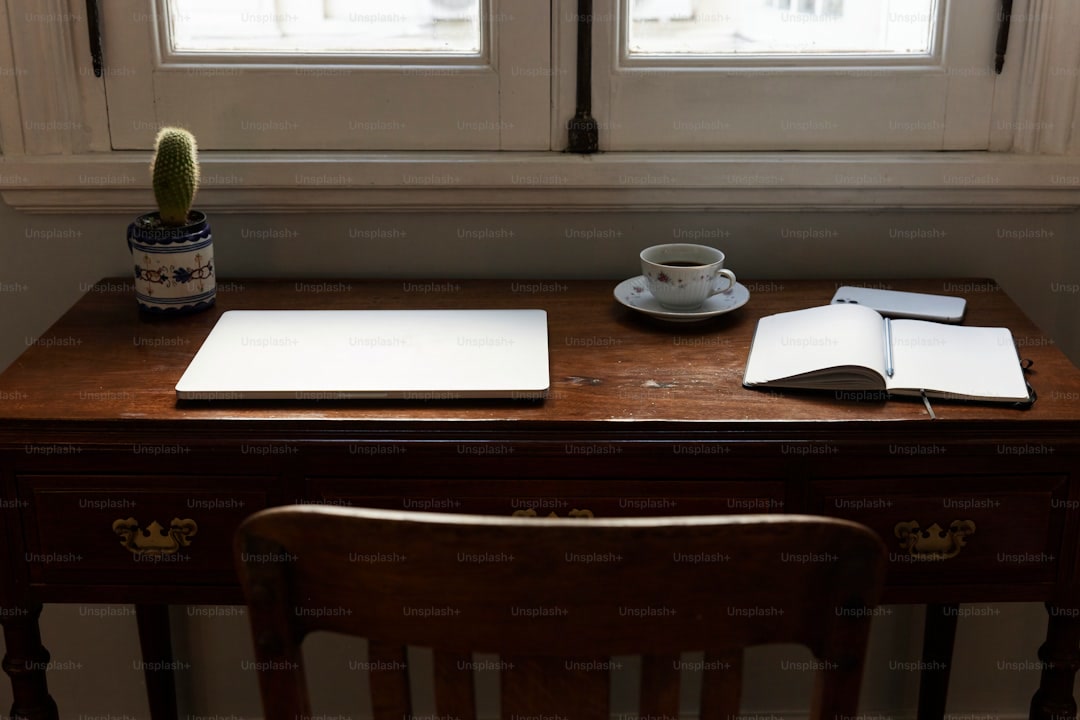
What You Need
Minimum viable setup (~$8):
Worth upgrading (~$25-35):
What you do NOT need:
When to Color
Pick a consistent time. This isn’t about willpower, it’s about habit stacking. Attach your coloring practice to something you already do:
– Morning: Before you check your phone. 15 minutes of coloring before the news cycle hits your brain.
Start with 10 minutes. Set a timer. When it goes off, you can stop or keep going, no pressure.
The 4-Week Coloring Practice Plan

Week 1: Just Show Up (10 minutes/day)
The goal this week is only consistency. Don’t try to make anything beautiful. Don’t “practice technique.” Just color.
– Day 1-2: Pick any page. Color with whatever feels natural. Don’t overthink colors.
What you’ll notice: By day 3 or 4, your hands will start to relax. The pencil strokes will get smoother. This is your nervous system downshifting, it’s not a coincidence.
Week 2: Add Intention (15 minutes/day)
Now that showing up is a habit, add a small layer of intention.
– Before you start: Take 3 deep breaths. Set an intention: “This 15 minutes is for me.”
What you’ll notice: You may start looking forward to your coloring time. That’s the dopamine hit from completing a structured task. Let it reinforce the habit.
Week 3: Add Technique (15-20 minutes/day)
Now’s the time to try something new, not because you “should,” but because variety keeps the brain engaged.
Try one new technique this week:
What you’ll notice: Adding a small skill element increases engagement without adding stress. This is the flow state sweet spot, challenging enough to hold attention, easy enough to feel achievable.
Week 4: Make It Yours (20 minutes/day)
By now, you have a habit and some technique. This week, start making choices that reflect you:
– Pick pages that match your mood
What you’ll notice: This has become something you look forward to. Not a chore. Not therapy homework. A genuine break that your brain is starting to crave.
What to Do When Anxiety Shows Up Mid-Coloring
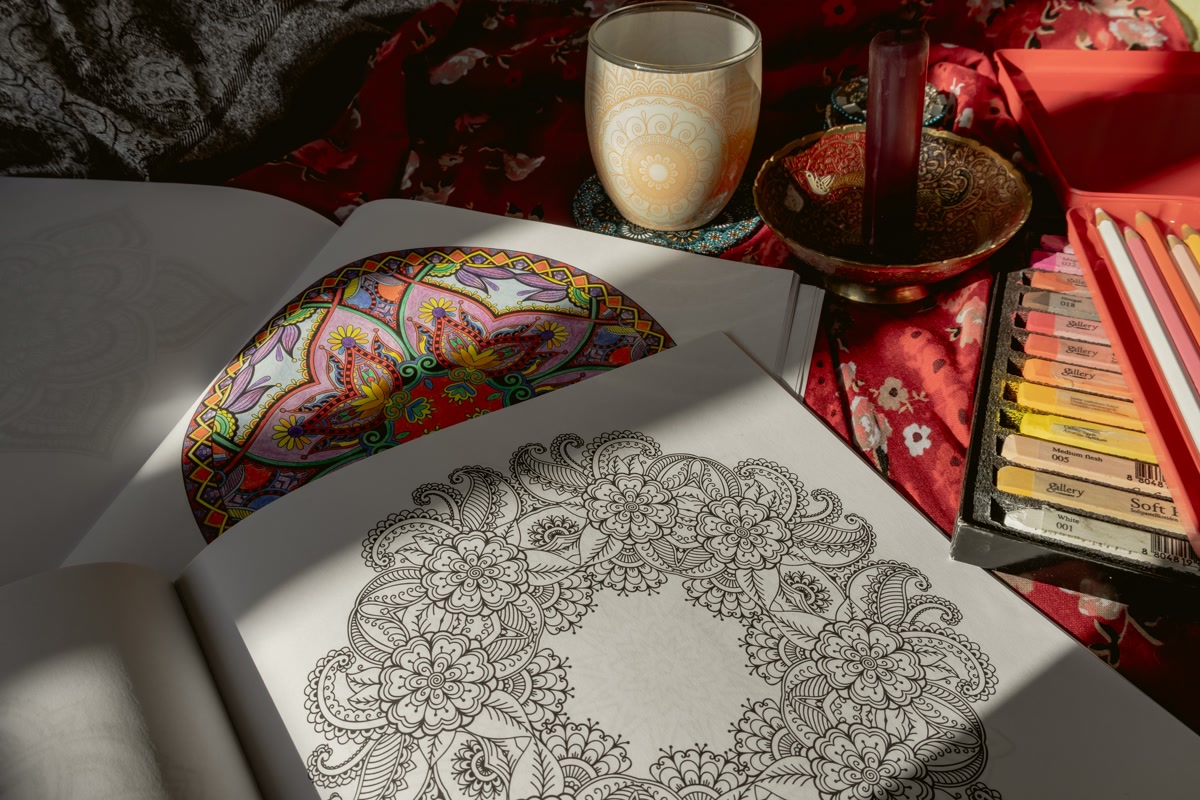
Sometimes you sit down to color and the anxiety doesn’t go away. That’s okay. Here’s what to try:
1. Switch to repetitive patterns. Mandalas and geometric patterns are the most anxiety-reducing designs because they require zero creative decision. If a nature scene or portrait page is making you overthink, switch to a symmetrical pattern. See our mandala coloring tips for ideas.
2. Limit your colors to 3. Decision fatigue feeds anxiety. Pick 3 pencils and only use those. The constraint is freeing.
3. Color with your non-dominant hand. This sounds weird, but it forces your brain to pay attention to the physical act rather than the anxious thoughts. It also looks terrible, which is weirdly liberating.
4. Stop and breathe. Set the pencil down. Inhale for 4 counts. Hold for 4. Exhale for 6. Do that 3 times. Then pick the pencil back up.
5. It’s okay to quit. If coloring is making you more anxious, stop. It’s a tool, not an obligation. Try again tomorrow.
Bottom Line
A daily coloring practice does not need to be long or perfect. Ten minutes with the right book and a few favorite pencils is enough to lower anxiety and build a calming routine. The secret comes down to consistency, not complexity.
🎨 Get Your Free Stress Relief Coloring Guide
Join our newsletter and get this free printable plus weekly tips.