The Weave-First Method for Knit Sweaters and Cozy Fabric
How to Color Knit Sweaters and Cozy Fabric with Colored Pencils: The Weave-First Method

Knit fabric is the most common thing in fall and holiday coloring books — and the most commonly flattened. You pick a nice warm beige, color the whole sweater in, maybe add some darker lines along the pattern, and step back to find a brown rectangle with stripes. It reads as cloth, not yarn. The … Read more
Gemstones and Crystals: The Light-First Method

How to Color Gemstones and Crystals with Colored Pencils: The Light-First Method

Every colorist eventually hits the page that humbles them: a gemstone study that looks like muddy gravel instead of a jewel. The problem is almost never the pencils. Gems are one of the few subjects where the paper does half the work, because the entire look of a gemstone — that glassy depth, the facets … Read more

Fire and Candlelight: The Glow-First Method

How to Color Fire and Candlelight with Colored Pencils: The Glow-First Method

Fire is the most forgiving subject in colored pencil — and the most commonly muddied. The mistake is always the same: color the flame orange, color the background dark, done. A real flame is a light source, which means everything else in the page borrows its glow. When you treat fire as a lamp instead … Read more

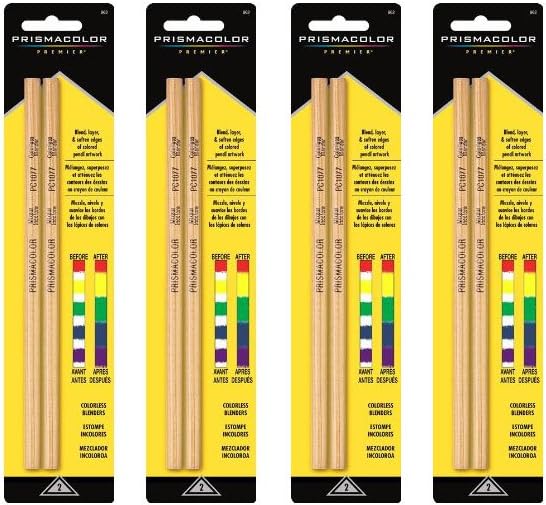
How to Burnish Colored Pencils Without Turning Your Page to Plastic

How to Burnish Colored Pencils Without Turning Your Page to Plastic

You blended a section, it looked like velvet, and then it looked like plastic. That is the burnishing trap: heavy pressure welding wax pigment into a glossy, unworkable glaze that cannot take another layer. Every beginner does it once, usually on a face or a flower they cared about. The fix is not another blender … Read more

Snow and Ice: The Light-First Winter Method

How to Color Snow and Ice with Colored Pencils: The Light-First Winter Method

Snow is the easiest thing in the world to color badly. The instinct — “it’s white, so I’ll leave it white” — produces a page that looks unfinished, with a gray outline floating on blank paper. Then the overcorrection: pressing hard with gray until a fresh snowfall looks like a parking lot. The truth is … Read more

Watercolor Pencils: Four Activation Methods That Stop Mud

How to Use Watercolor Pencils: The Four Activation Methods That Stop Mud

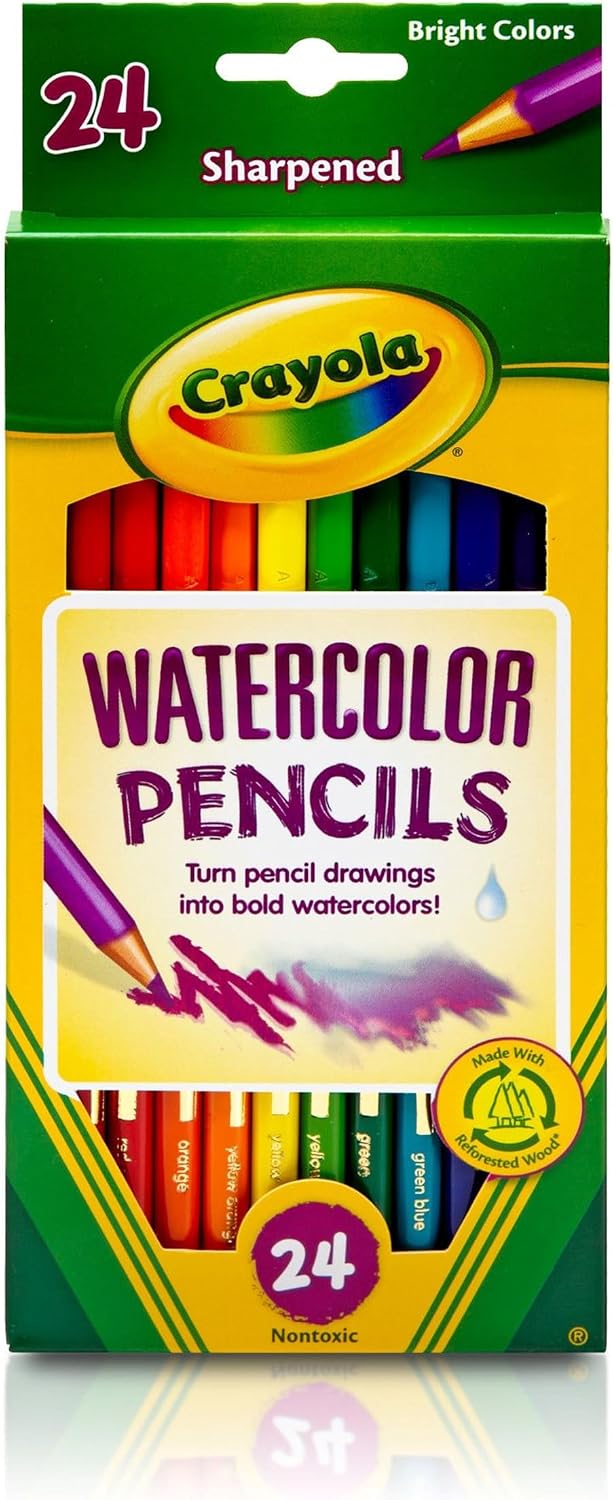
Most people buy watercolor pencils, draw a careful sketch, then swipe a wet brush across it and watch their drawing turn to mud. That was me, twice, before I understood what these pencils actually are: sticks of concentrated watercolor pigment wrapped in wood. They are not “colored pencils you can add water to” — they … Read more

Flowers: Petal Strokes, Overlap Shadows, and the 3-Tone Rule

How to Color Flowers with Colored Pencils: Petal Strokes, Overlap Shadows, and the 3-Tone Rule

Flowers are where most colorists get humbled. They look simple — petals, a center, done — and then your first rose comes out looking like a pink paper plate. I did that more than once before I understood what was going on: flowers are not about coloring petals. They’re about coloring the gaps between petals. … Read more