This article contains affiliate links. We may earn a commission from qualifying purchases.
Some content on this site is AI-assisted and reviewed by our editorial team.
Hair is where portrait colorists quietly give up. You nail the skin, the eyes look alive, and then the hair turns into a flat brown helmet with a few white scratches on top — because hair drawn with a single pencil at one pressure reads as one object, not thousands of strands. The fix isn’t a new pencil set. It’s understanding that hair is shadows between strands, and you build it the opposite way from skin: dark first, then carve the highlights.
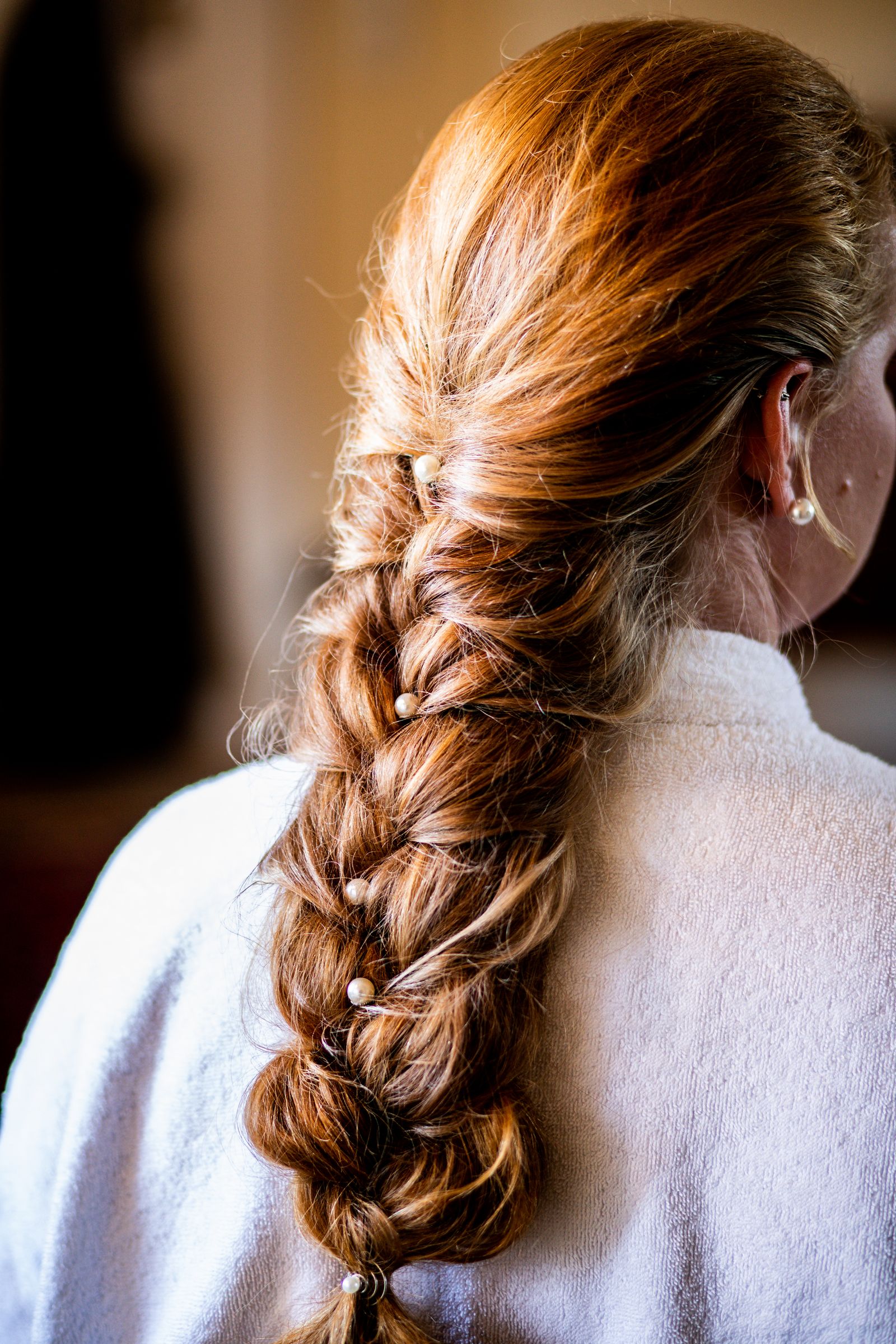
I color portraits every week, and this is the method that took my hair from “helmet” to “hair” — no fancy supplies beyond what most colorists already own. If you’ve already worked through the five-layer skin method, this is the same thinking applied to a surface that’s 80% shadow.
Read the Hair Before You Touch a Pencil
Every head of hair is three zones, and finding them before coloring saves the whole page:
1. The shadow mass. Squint at the reference. Everything that blurs together goes down FIRST as your darkest layer — usually the underside of the hair, behind the neck, and the roots at the temples.
2. The midtone bands. Hair falls in clumps — the natural partings that catch equal light. Each clump gets its own midtone, applied with strokes that follow the clump, never against it.
3. The flyaways and shine band. The few strands that escape the mass, plus the highlight band where light rakes across the crown. These go in LAST, and they’re less than 10% of the surface. Beginners put them in first; that’s the helmet effect.
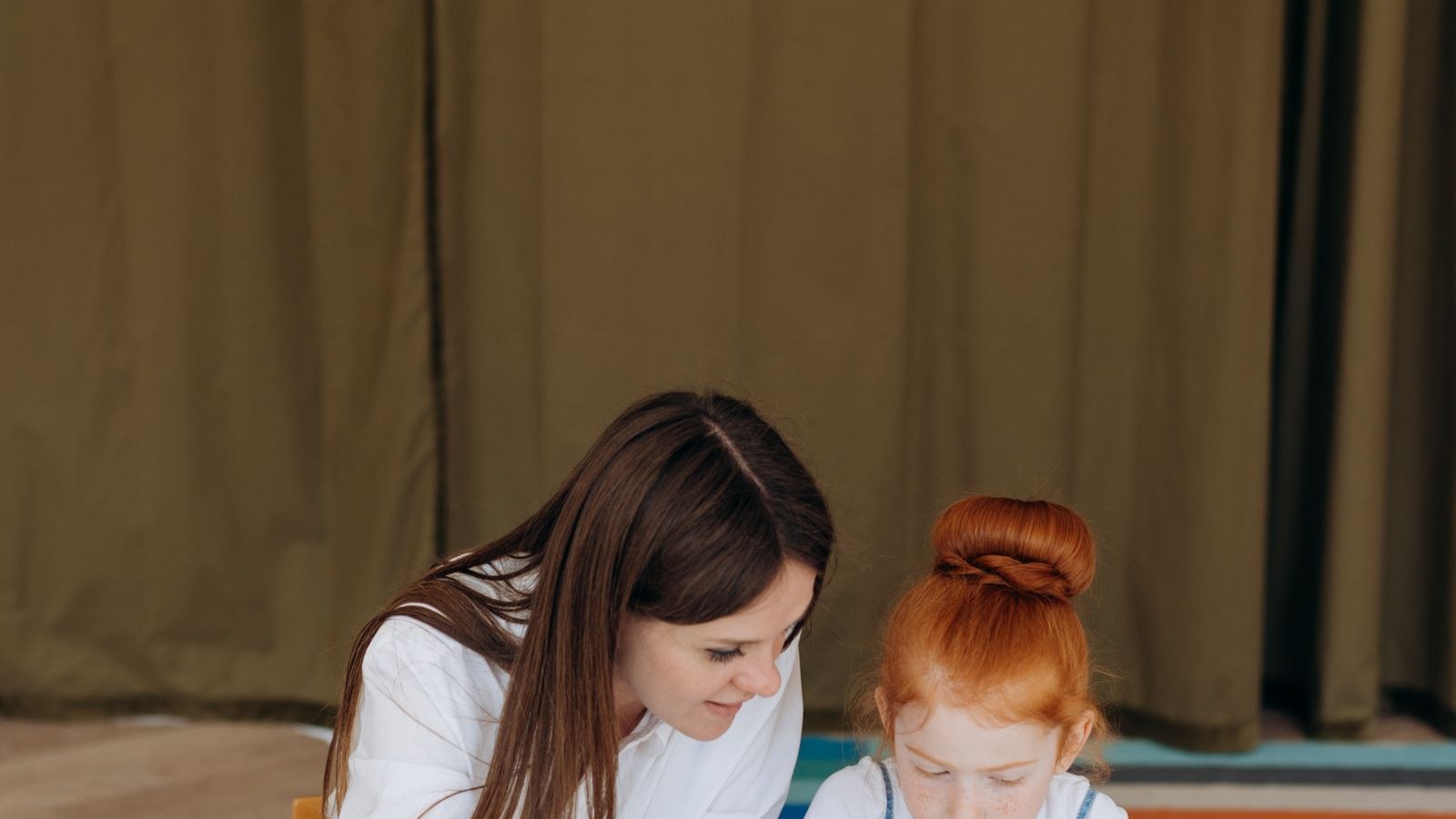
The Stroke Is the Skill: Four Rules That Change Everything
1. Stroke direction is gravity + growth. Every stroke follows the arc from root to tip, lifting the pencil OFF the paper at the end of each strand — a stroke that stops dead is a strand that ends mid-air, and it shows.
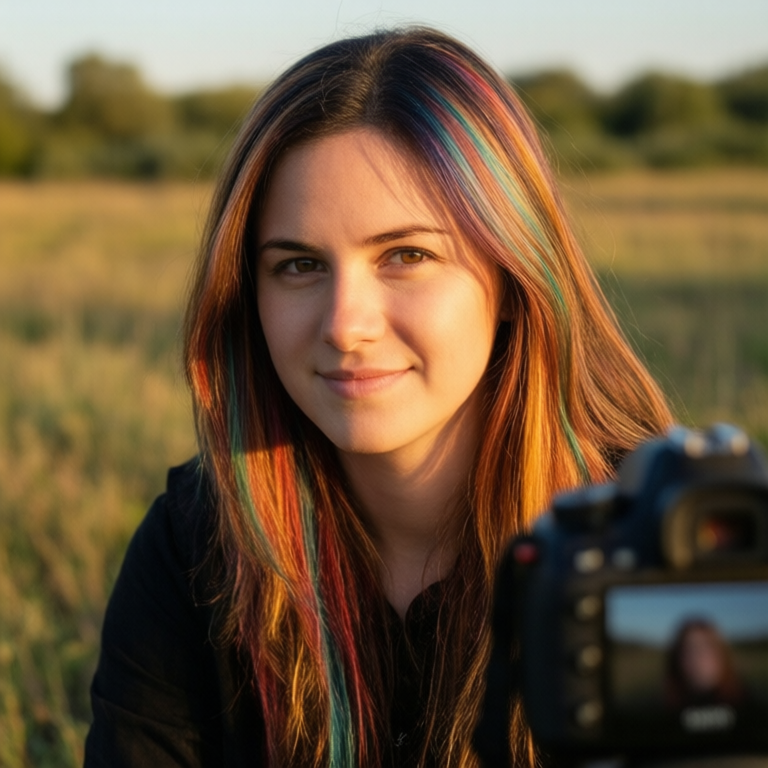
2. Taper your pressure like breathing out. Start medium at the root, taper to almost nothing at the tip. One-pressure strokes are the number-one cause of wirey, helmet-y hair. This is the single habit that separates a beginner page from an intermediate one.
3. Layer in threes. Dark base pass, midtone clumps pass, highlight pass. Three light layers beat one heavy one — same rule as skin, same rule as petals. The dark layer should be so light you’re tempted to go darker. Don’t, yet.
4. Leave paper where light lives. The white of the page IS the brightest highlight you have on white paper. Once you’ve covered it, no pencil brings it back — so protect the shine band and the flyaway edges as you build the mass.
Supplies That Pull Their Weight
The technique works with any soft pencil, but these are the ones that make it easier:
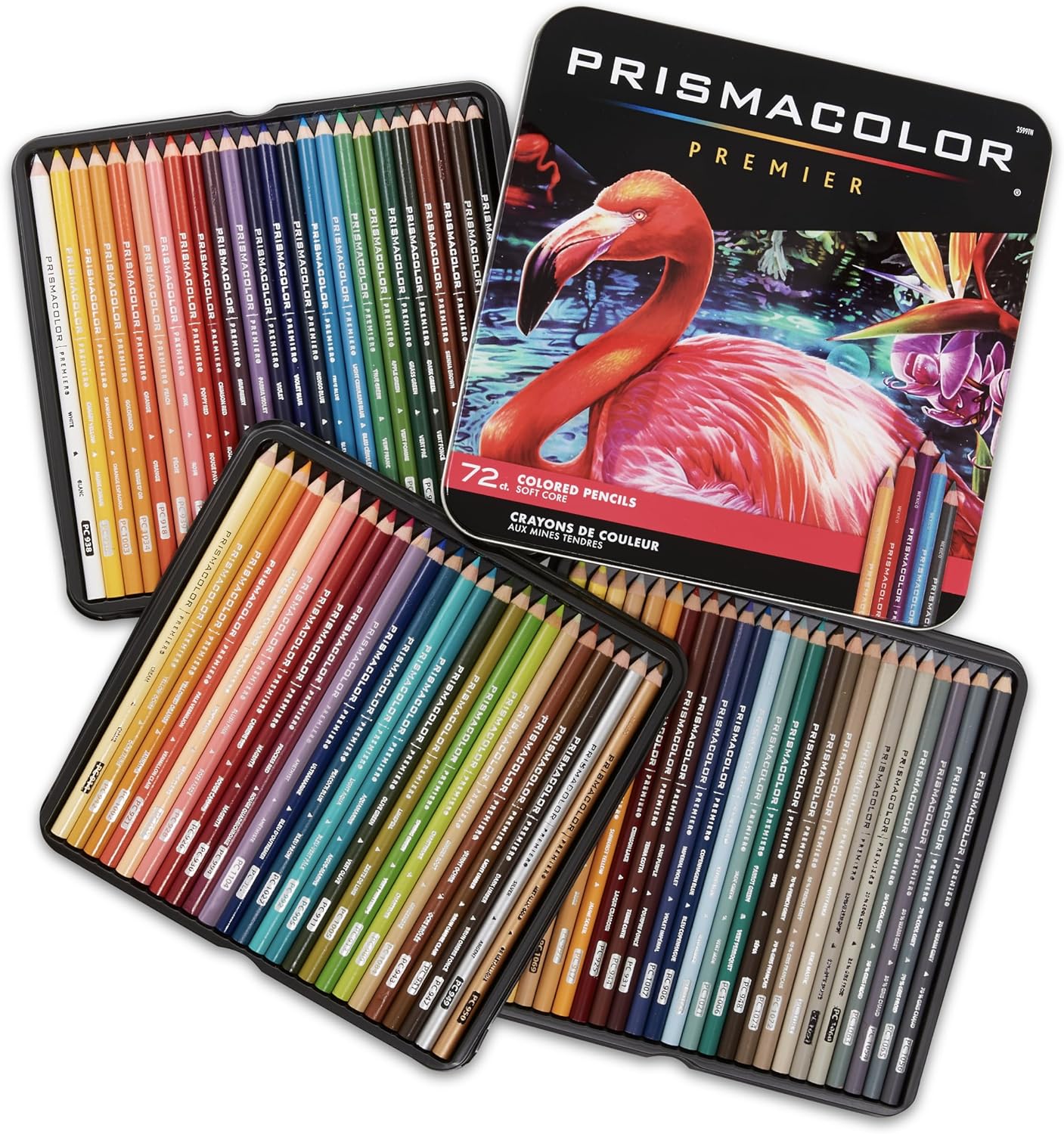
The Prismacolor Premier 72-pencil set (about $63.74 at current pricing, $0.89 a pencil) is the workhorse for one reason: it puts six usable browns and three warm golds in the same tin. Hair needs a FAMILY of darks — a warm dark brown, a cool dark, and a near-black — and budget sets give you two browns and a prayer. Soft cores also blend layers without wax fight.
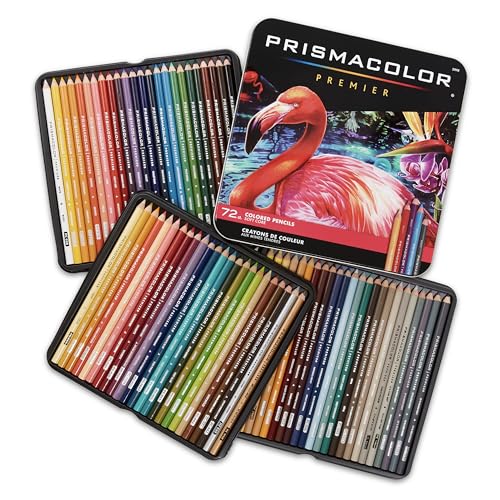
Con, honestly: Premier cores break if you drop them or sharpen past a certain pressure — the 72-set is not the set to learn heavy-handed sharpening on.
My take: if you color portraits more than once a month, the brown family alone justifies this tin.
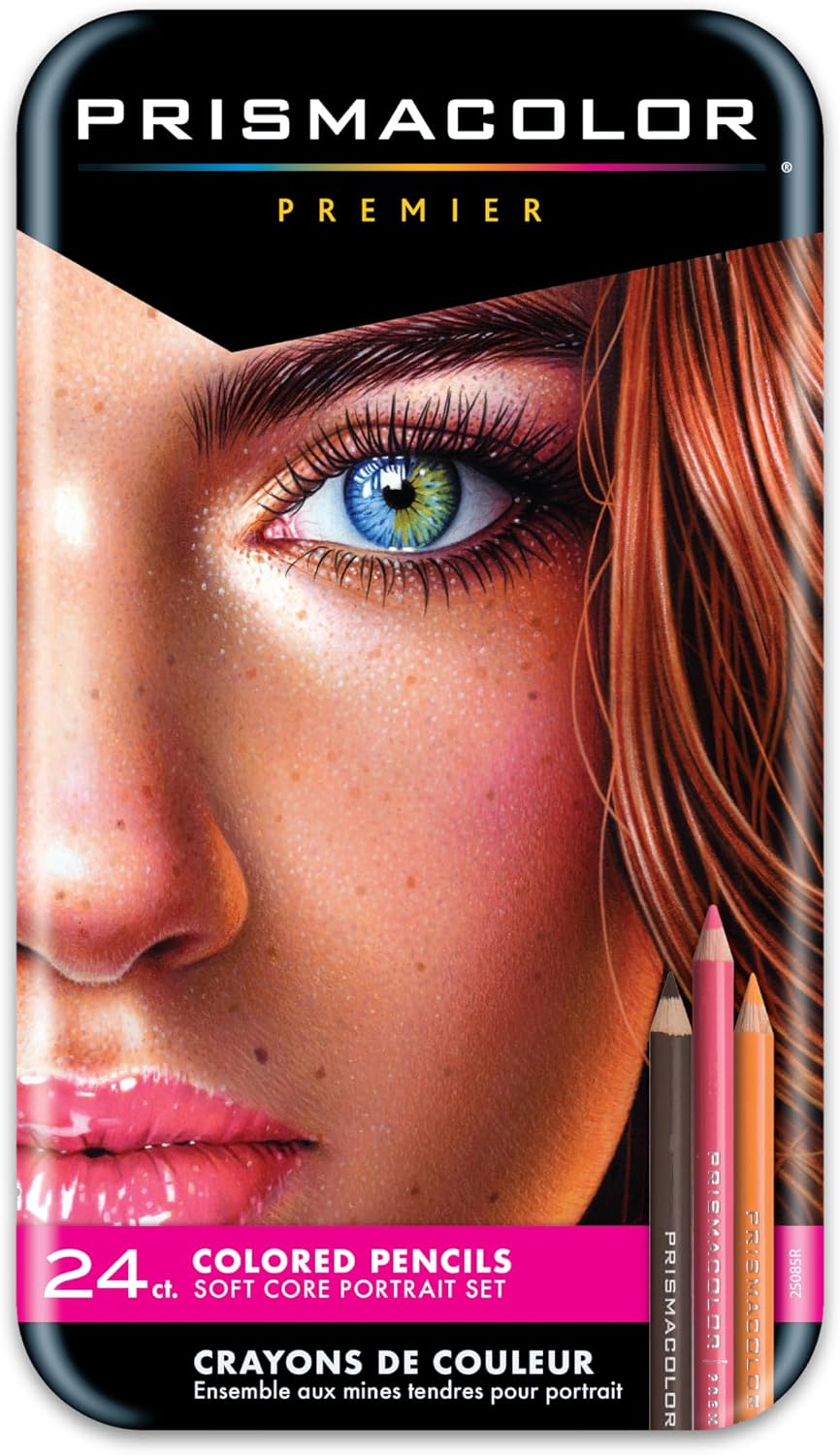
The Prismacolor Portrait Set, 24 pencils (about $27.63, $1.15 a pencil) is the budget shortcut: a curated palette built for skin AND hair — the browns, the warm terrortones, and the muted greys for shadow masses, pre-picked so you’re not guessing at a 72-color chart.
Con: 24 pencils runs out of room fast — you get the family but not the extended cousins (no true near-black for the deepest shadows, which you’ll supplement).
My take: the best under-$30 entry into portrait coloring, and a smarter first buy than a big generic set.
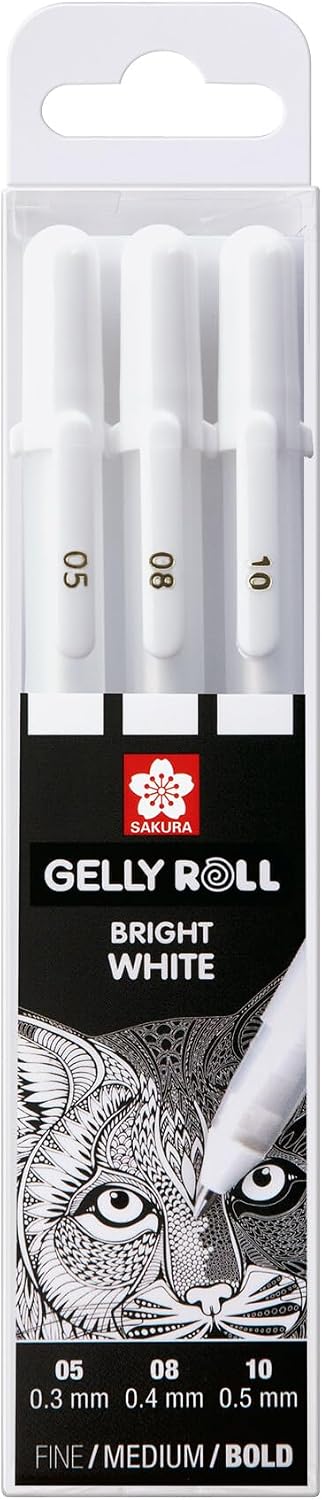
The Sakura Gelly Roll Classic White, 3-pack (about $5.99) is the flyaway secret weapon. A white gel pen puts single bright strands on top of finished dark hair with more presence than any white pencil — use it for the shine band on a dark braid and the two or three escaping strands at the temple.
Con: gel ink sits ON the wax surface, so it can smudge until fully dry — work light-handedly and don’t stack pages wet.
My take: five dollars of gel pen does more for hair realism than fifty dollars of extra pencils. Buy it first.
Common Mistakes (And Ones That Don’t Matter)
The single-brown helmet: one pencil, one pressure, the whole head. If your hair looks like a painted cap, you skipped the dark-mass pass entirely.
Strokes that don’t taper: even pressure from root to tip reads as rope, not hair. Taper the end of every stroke.
Highlighting too early: shine bands and flyaways are the LAST five minutes of a page. First is when they get accidentally covered by the next dark layer.
Strand counting: you don’t need to draw every hair. A convincing head needs dozens of strokes, not thousands — the mass does the work, the strands sell it.
What doesn’t matter: expensive paper (mid-weight with moderate tooth holds up fine) and blending solvents (they turn hair to mush — keep strokes crisp).
Budget Note
The cheapest honest setup for portrait hair: the Portrait Set 24 plus the Gelly Roll 3-pack lands around $33.62 — you’ll color dozens of pages of hair with those two purchases alone. Add the 72-set when you find yourself hunting for a brown that isn’t there.
Keep reading: the eyes are the other half of a portrait — How to Color Realistic Eyes: The Four-Zone Method — and the skin underneath is How to Color Skin Tones: The Five-Layer Method. The right pencils for both live in Best Skin Tone Colored Pencils for Portraits.
Deep-focus coloring hits different with an audiobook — Audible’s free trial is here.
ColoredCalm is reader-supported. As an Amazon Associate, I earn from qualifying purchases. That means if you buy through one of the links above, I get a small commission at no extra cost to you. I only recommend supplies I actually color with.
Related guides
- Snow and Ice: The Light-First Winter Method
- Coloring Supply Storage Solutions: How to Organize Your Colored Pencils, Markers, and Books
- How to Color Fur and Texture with Colored Pencils: A Practical Guide
- Slow Living Coloring: How to Turn a Simple Coloring Session Into a Mindful Daily Ritual
- Coloring for Men: Why More Guys Are Picking Up Colored Pencils and Loving It
🎨 Get Your Free Stress Relief Coloring Guide
Join our newsletter and get this free printable plus weekly tips.
Frequently Asked Questions
Why does my colored pencil hair look like a helmet?
Because it was colored as one shape at one pressure. Real hair reads as a dark shadow mass with strands carved out of it. Put the darkest layer down first across the whole head, then add clumps, and save every highlight for last.
How many strands do I actually need to draw?
Far fewer than you think. A convincing head needs dozens of strokes, not thousands. The dark mass does most of the work, and a handful of well-placed flyaways and a shine band sell the illusion.
Which browns do I need for realistic hair?
A family, not a single pencil: a warm dark brown for the base mass, a cooler dark for depth, one midtone for the lit clumps, and a near-black only for the deepest shadows under the hairline and at the neck.
Can I fix hair that is already too dark?
Yes, mostly. A white gel pen or a sharp white pencil can carve flyaways and a shine band back out of a too-dark mass. If the whole head is one heavy dark value, an electric eraser or kneaded eraser lifts light strands without scrubbing the paper.
Does the paper matter for hair?
Less than for skin. Mid-weight paper with moderate tooth holds tapered strokes well; very smooth paper makes strokes slide into each other, and very rough paper breaks the taper. Blending solvents should be avoided on hair, since they turn crisp strands into mush.
Liked this guide? Get the next one in your inbox — the coloring starter checklist is free too.
✓ You're in — check your inbox.
No spam. Unsubscribe anytime. We never share your email.
Prices move fast. Start your Amazon trip from our Shop & Support page and your purchases support ColoredCalm at no extra cost to you.
Price Check
Prices verified via our product tracker. Updated Oct 17.
| Prismacolor Premier Colored Pencils, Soft Core, 72 Count | $74.49 | 4.8★ (29,632) |
| Prismacolor Premier Colored Pencils Portrait Set, Soft Cor | $27.69 | 4.8★ (4,030) |
| SAKURA Gelly Roll Classic White Gel Pen Set, Assorted Size | $5.99 | 4.4★ (17,921) |
As an Amazon Associate we earn from qualifying purchases.