This article contains affiliate links. We may earn a commission from qualifying purchases.
Some content on this site is AI-assisted and reviewed by our editorial team.
You bought the big 120-pencil tin because the swatch page looked like a candy store. Then you sat down to color a portrait and discovered the problem: forty different browns, and you have no idea which one is the shadow on a cheekbone and which one is the shadow under a jaw. A huge palette does not give you better skin tones — it gives you more ways to go wrong. Skin is not one color, and it is definitely not “flesh pink.” It is a stack of thin, translucent layers: warm lights, cool-leaning shadows, and a couple of strategic pops of color that trick the eye into seeing living skin.
The good news: you can paint a believable face with fewer pencils than you think, as long as they are the right pencils. This guide covers the shortlist worth buying, then the layering order that keeps skin from going muddy. (The technique itself — the five-layer method — gets its own walkthrough in our skin tones tutorial; here we focus on what to buy before you start.)
Prismacolor Premier Portrait Set (24 Count) — The Curated Shortcut
Check the price of the Prismacolor Premier Portrait Set on Amazon
About $25–30 · soft wax core · 24 portrait-curated colors
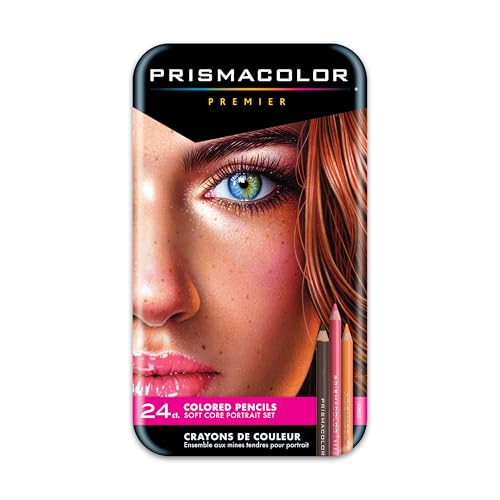
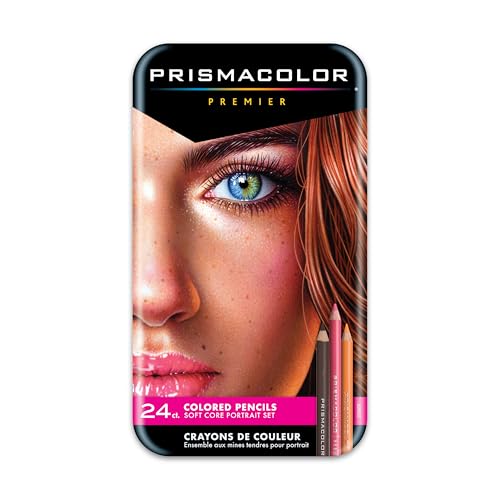
Prismacolor did the hardest part for you: this tin is hand-picked for faces, with colors like Cream, Blush Pink, Rosy Beige, Peach, Light Umber, Dark Umber and a spread of darks that cover deep, rich skin tones without you having to hunt through a 150-pencil display. The soft, waxy cores lay down creamy and blend into each other with minimal effort, which is exactly what you want when you are building the soft transitions skin demands. The set usually runs in the mid-$20s, which is less than most “portrait” online courses charge for an hour of video.
Con: it is a specialist set — you get almost no green, no bright blue, nothing for backgrounds. Plan on it being a companion to your existing set, not a replacement. The cores are also soft enough that they will snap if you drop the tin or sharpen them with a cheap sharpener (see our sharpener guide before you do).
My take: the fastest route from blank page to believable face. If portraits are the thing you want to color, buy this first and buy open-stock to fill gaps later.
Arteza 120-Pencil Professional Set — The Budget Palette With Range
Check the price of the Arteza 120 pencil set on Amazon
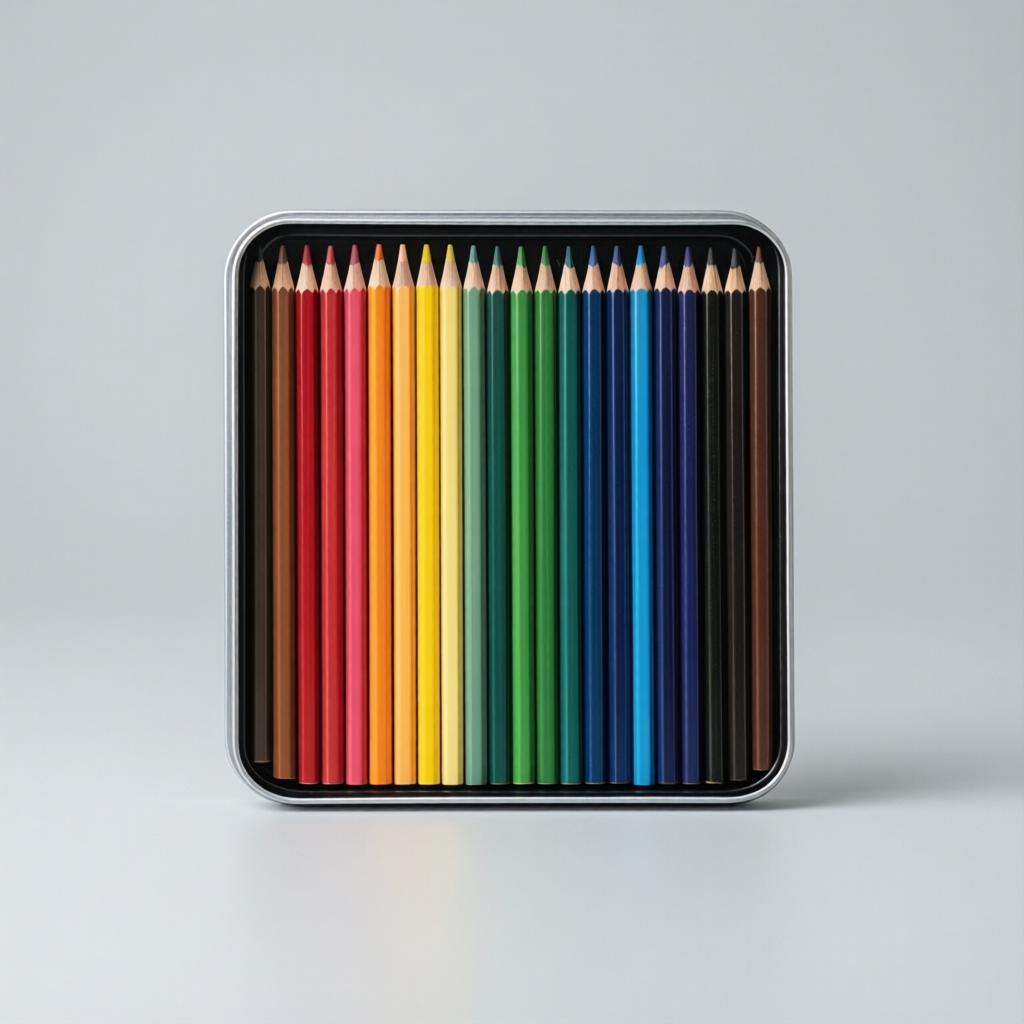
About $50–60 · wax-based core · 120 colors in a tin
If your budget is one bigger purchase instead of a curated specialist set, the Arteza 120 tin covers an enormous value range — multiple pinks, peaches, browns, umbers and siennas, plus the creams and greys you need for undertones. The cores are softer and a touch waxier than Prismacolor’s, they arrive pre-sharpened, and the price per pencil is a fraction of artist-grade open stock. For the money, nothing else gets a beginner this many skin-adjacent options to experiment with.
Con: wax-based cores bloom faster under burnishing (a white-ish haze on heavy layers — we covered fixes in the wax bloom guide), and pigment density is a step down from Prismacolor’s soft core. Also worth knowing: the tin’s trays fit the pencils loosely, so shipping dents are common.
My take: the best range-per-dollar for experimenting. You trade a little softness for about triple the palette, which is a fine trade while you are still learning whose shadows go violet and whose go green.
Faber-Castell Polychromos 24-Count — The Oil-Based Upgrade
Check the price of the Faber-Castell Polychromos 24 tin on Amazon
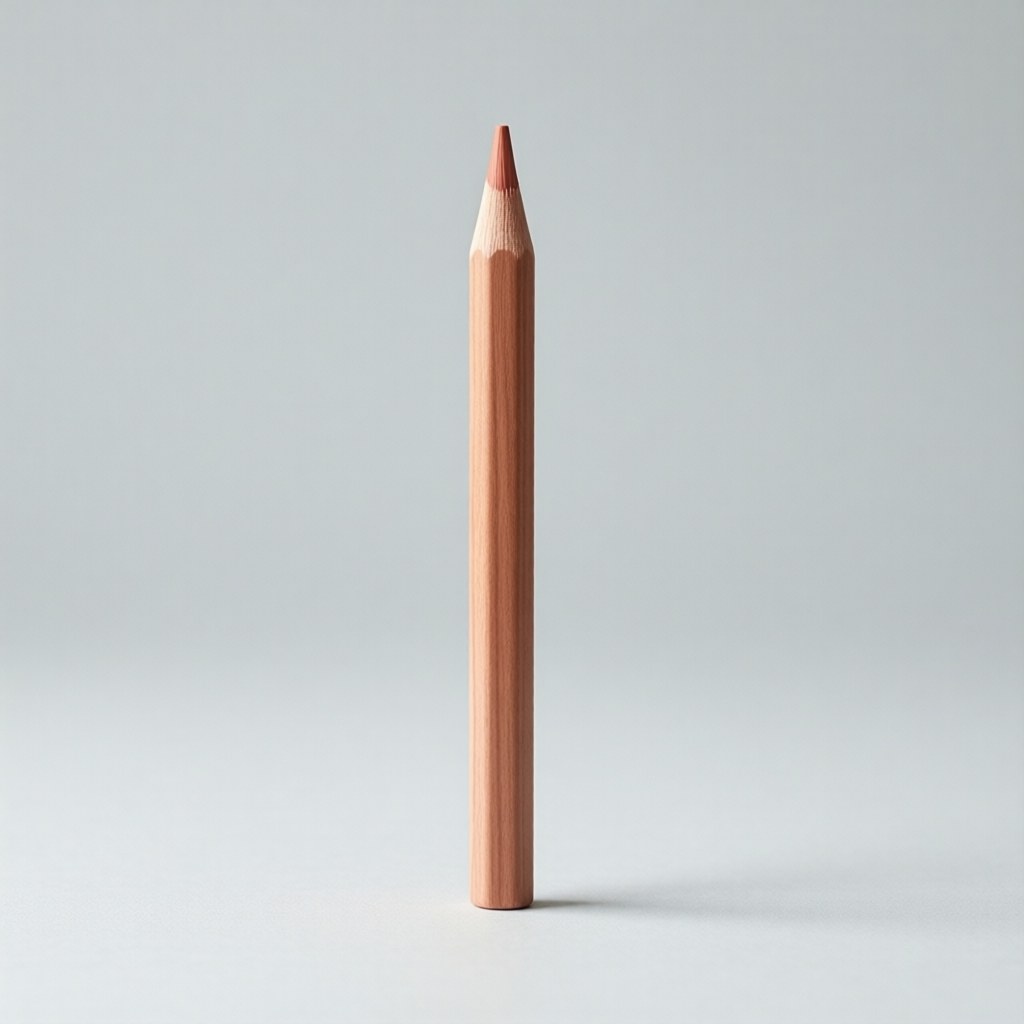
About $45–60 · oil-based core · 24 colors
Oil-based cores change the physics of skin: harder leads hold a razor point for tiny details (lashes, nostril edges, the catchlight line on an iris), they layer endlessly without turning greasy, and they barely bloom at all. The Polychromos line’s earth tones and terracottas are excellent for mid-tone and shadow work. Twenty-four colors will not cover a full portrait palette the way the Prismacolor Portrait tin does, but for line-crisp facial detail over a base built with softer pencils, nothing in this price class holds an edge better. (For a deeper head-to-head with Prismacolor’s flagship, see our Chromaflow vs Premier comparison — same soft-core category, different trade-offs.)
Con: harder cores take more pressure to lay down rich color, which is harder on the hand during long sessions, and the 24-tin’s palette leans general-purpose rather than portrait-curated — expect to buy a few open-stock browns eventually.
My take: the pencil you graduate to once your layering is controlled and detail work is the bottleneck. Not the first set I would buy for faces, but the one you graduate into.
Zebra Sarasa Clip Gel Pens, Milky Colors — For Finishing Highlights
Check the price of the Zebra Sarasa Clip gel pen packs on Amazon
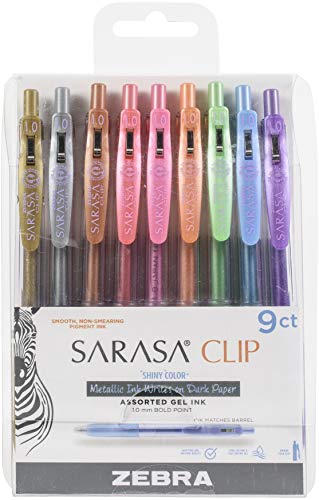
About $8–15 · 0.5–1.0mm gel tip · opaque pastel ink
The secret weapon most tutorials skip: a good opaque white pen turns a flat-looking portrait into a finished one. After your pencil layers are done, tiny touches — a dot of catchlight in each eye, a faint line along the lower lip, a highlight on the nose tip — create the “alive” effect that pure pencil struggles with, because pencil whites stay translucent no matter how hard you press. The Sarasa Clip line comes in dozens of colors including milky pastels, its ink is opaque, quick-drying and archival, and single pens cost around a dollar in multi-packs.
Con: gel ink sits on top of the wax layer and can smear if you go back over it with pencil, so it has to be the final step — and a 0.7mm tip is thicker than the ultra-fine 0.3–0.5mm tips some detail artists prefer.
My take: the highest impact-per-dollar item in this article. Ten dollars of gel pen will visibly improve more portraits than another 24 pencils.
Common Mistakes (And What to Do Instead)
- Starting with the darkest brown you own. Deep shadow built first pins you into a range. Map lightest-to-darkest in light passes first, then deepen only the true shadow cores.
- Using pure black or pure white in skin. Black flattens faces to gray; white pencil lifts but never brightens. Shadow = umber plus a violet or blue lean; light = cream or pale peach, then a gel pen highlight at the very end.
- Skipping the undertone layer. Skin is not one color with shading — the undertone pass (peach for warm skin, a rosier pink for cool tones) is what keeps the result from looking like a statue painted brown.
- Blending with the white pencil. It lightens, muddies, and fills the tooth that your next three layers need. Blend with a colorless blender or a neighboring tone, and save white for deliberate highlights only.
The Budget Note
Cheapest setup that still works: the Prismacolor Portrait 24 (about $25) on any decent drawing pad you already own, plus one Sarasa milky gel pen (about $2) for highlights. Under thirty dollars, and it is the combination that makes faces look finished. Add the Arteza 120 when you want to chase undertones across a wider range of complexions, and graduate to Polychromos when detail line work is the thing holding your portraits back.
ColoredCalm is reader-supported. As an Amazon Associate, I earn from qualifying purchases. That means if you buy through one of the links above, I get a small commission at no extra cost to you. I only recommend supplies I actually color with.
🎨 Get Your Free Stress Relief Coloring Guide
Join our newsletter and get this free printable plus weekly tips.
Frequently Asked Questions
Which colored pencils are best for skin tones?
You need a set with real peach, terracotta, and deep brown layers - not just 'flesh'. The four sets we recommend layer clean without going muddy, starting under 20 dollars.
How do you blend skin tones with colored pencils?
Layer light to dark in thin coats: base peach, shadow terracotta, then a cream burnish. Blend with a colorless blender pencil rather than a paper stump for the cleanest transitions.
Do I need a portrait set or can I use regular pencils?
A regular 24-36 set works if it includes 3-4 warm browns and a pale peach. Dedicated portrait sets mostly save you mixing time; they do not unlock anything impossible.
Price Check
Prices verified via our product tracker. Updated Sep 27.
| Amazon.com : Prismacolor Premier Colored Pencils Portrait | $27.69 | 4.8★ (4,030) |
| Amazon.com: Zebra Pen Sarasa Clip Retractable Gel Pen, Bol | $21.92 | 4.2★ (299) |
As an Amazon Associate we earn from qualifying purchases.