
This article contains affiliate links. We may earn a commission from qualifying purchases.
Some content on this site is AI-assisted and reviewed by our editorial team.
If you’ve stood in the coloring book aisle of a bookstore lately, you know the selection is overwhelming. Hardcovers, paperbacks, spiral-bound, pocket-sized, jumbo. And if you’ve browsed online, you’ve seen the other option: printable coloring pages, downloadable PDFs you print at home for a fraction of the cost. Both get you coloring. But which one actually makes sense for your budget, your space, and how you like to work?
There’s no universal right answer, but there are real trade-offs worth understanding before you commit to one approach. The cost difference is larger than most people realize, and the convenience factor cuts both ways.
The Cost Breakdown
A typical adult coloring book costs between $7 and $15. Printables usually run $2 to $5 per set, or you can find thousands of free options online. On paper, printables win easily. But the calculation changes when you factor in printing costs.

Printing a single coloring page at home on decent paper costs roughly $0.15 to $0.30 in ink and paper, depending on your printer and the paper quality you choose. A $10 coloring book with 40 designs comes out to $0.25 per page. So the per-page cost is surprisingly similar once you account for consumables.
Where printables pull ahead is selectivity. When you buy a book, you’re paying for all 40 designs, including the 12 you’ll never color. With printables, you only print what you actually want to color. Over time, that reduces waste and focuses your spending on pages you’ll use.
For a reliable printer that handles coloring pages well, the Epson EcoTank ET-2800 uses refillable ink tanks instead of cartridges, which drops the per-page printing cost to about $0.01 for black-and-white pages. If you’re printing coloring pages regularly, the upfront cost pays for itself in ink savings within a few months.
Paper Quality: The Hidden Factor
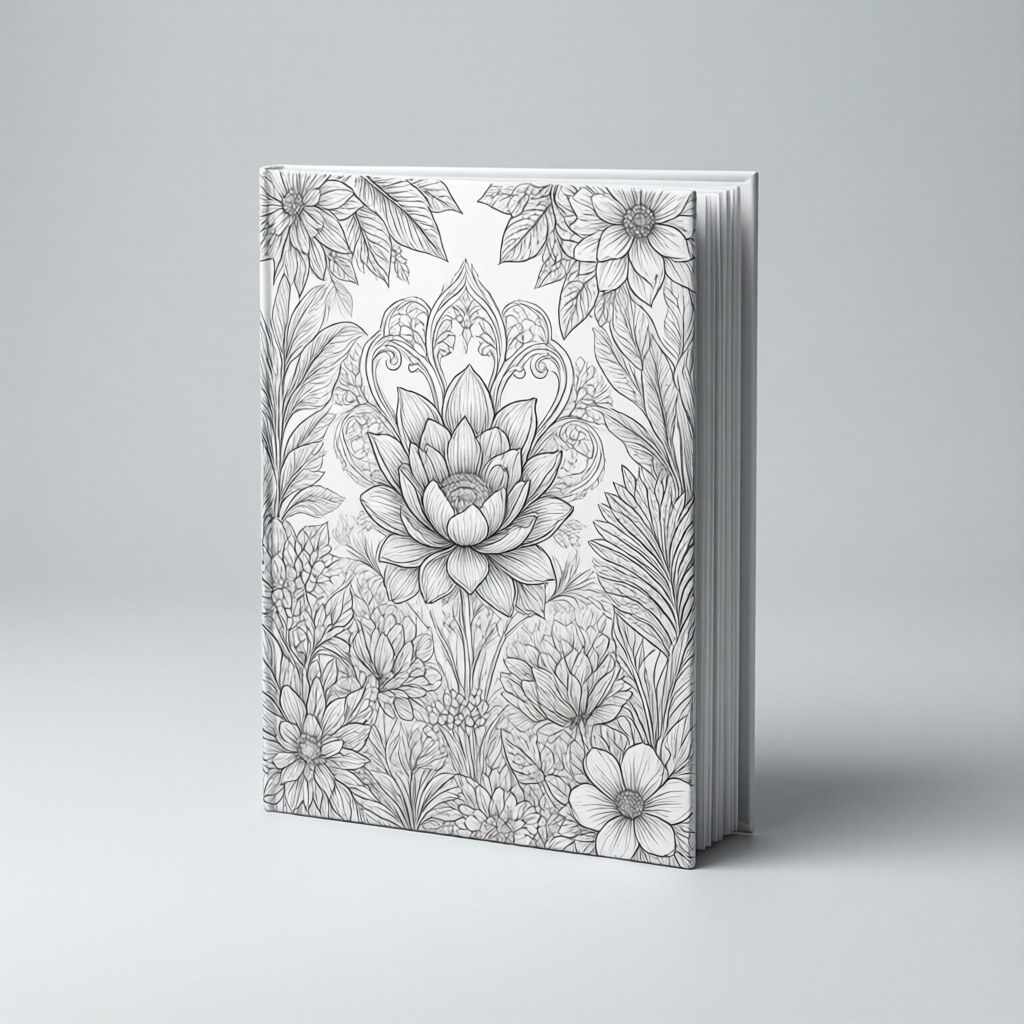
Here’s where books have a real advantage. Most published coloring books use paper stock between 70 and 120 lb weight, specifically chosen to handle colored pencils, gel pens, and light marker work. The paper in your home printer is probably 20 lb bond, which is fine for text but too thin for serious coloring. Markers will bleed through. Pencils will score the surface. Gel pens will ghost on the back of the page.
You can buy heavier paper for your printer. A ream of 32 lb laser paper, which handles colored pencils and gel pens reasonably well, costs about $15 for 500 sheets. That bumps your per-page cost by $0.03, still affordable. But even 32 lb paper doesn’t match the feel of a good coloring book’s 100 lb stock.
For printables, I recommend Hammermill 32 lb premium paper. It’s smooth enough for pencils and handles gel pens without feathering. Markers will still ghost unless you put a blank sheet behind your working page, which is a habit worth developing regardless.
Variety and Discovery
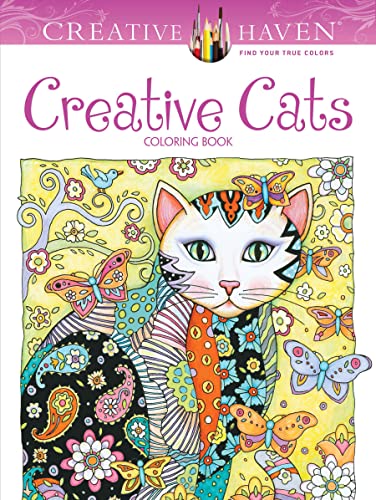
Books win on curation. A good coloring book is edited. Someone chose these designs, sequenced them, and matched the paper to the intended medium. When you buy a Dover Creative Haven book, you’re getting a thoughtfully assembled collection with consistent line weight and design complexity throughout. Printables are more of a grab bag. Quality varies wildly, even within the same Etsy shop or free resource site.
Printables win on specificity. If you want a coloring page of, say, a capybara in a sweater, you can find that in five minutes online. No book will give you that level of niche targeting. For themed coloring sessions, holiday-specific pages, or just scratching a very specific itch, printables are unmatched.

Storage and Organization
Coloring books are easy to store. They sit on a shelf. They don’t wrinkle. They travel well in a bag. A stack of printed coloring pages is a different story. Loose pages get creased, mixed up, and lost. You’ll need a binder or folder system to keep them organized, which adds a small cost and a small hassle.
That said, if you like to color the same page more than once, trying different color schemes, printables have a clear advantage. You print another copy. With a book, you get one shot per design unless you want to scan and copy it yourself, which most people don’t bother with. Reprinting also lets you track your progress over time. Print the same mandala in January and again in June, and you’ll see how your color choices and technique have evolved. That’s hard to do with a single copy in a bound book.
A simple three-ring binder with sheet protectors solves most of the storage problem for printables. Sheet protectors also let you store finished pages without smudging, which is harder to do with bound books.
When Books Make More Sense
If you’re new to adult coloring and figuring out what styles you enjoy, start with books. A curated collection gives you a range of designs to try without the decision fatigue of browsing thousands of printables online. Books also make better gifts. Nobody wraps up a PDF download.
Books are also better for social coloring. If you color with friends, at a meetup, or with your kids, passing around a book is simpler than printing multiple copies. And there’s something satisfying about a physical book with pages you’ve filled in. It sits on your shelf as a record of time spent. If you’re looking for social coloring ideas, our guide to hosting a coloring party covers setup, book selection, and supplies.
When Printables Make More Sense
If you already know what you like, printables let you skip the filler. You’re not paying for designs you’ll never touch. For people who color frequently and want fresh content regularly, printable subscriptions and free resource sites offer more variety per dollar than buying book after book.
Printables are also the better choice if you want to experiment with different papers. Maybe you want to try coloring on watercolor paper, or cardstock, or vellum. With a printable, you choose the substrate. With a book, you’re stuck with whatever the publisher chose. Some colorists print the same design on three different papers just to see how the same colored pencils behave on each surface. That kind of experimentation is basically free with printables and impossible with a bound book unless you want to tear pages out.
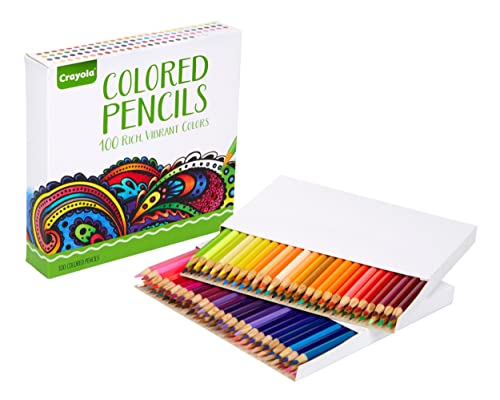
For colored pencils specifically, the Prismacolor Premier set works well on both book paper and most printable paper. For markers, which are more demanding about paper quality, books with thicker stock will give you better results than most home-printed pages. If you want to dive deeper into paper characteristics, our coloring book paper quality guide breaks down weight, texture, and binding options.
Read unlimited coloring books? With Kindle Unlimited, read as much as you want from 4M+ titles, including thousands of coloring and art books. Try Kindle Unlimited FREE for 2 months
Bottom Line
Books and printables serve different needs, and most colorists end up using both. Start with books if you’re new, want curated collections, or enjoy the physical object. Lean into printables if you color often, want specific designs, or like choosing your own paper. The cost per page is closer than it appears once you factor in printing, but printables win on zero waste and books win on paper quality. The best option is the one that removes friction between you and coloring, because the coloring itself is the whole point.
Affiliate disclosure: As an Amazon Associate, I earn from qualifying purchases. This doesn’t affect the price you pay, and I only recommend products I genuinely think will help.
🎨 Get Your Free Stress Relief Coloring Guide
Join our newsletter and get this free printable plus weekly tips.
Price Check
Prices verified via our product tracker. Updated Sep 27.
| Amazon.com: Faber-Castell Kneadable Eraser for Artists in | $35.00 | 4.7★ (21,212) |
| Amazon.com: Creative Haven Creative Cats Coloring Book (Ad | $7.99 | 4.8★ (5,312) |
| Amazon.com: Crayola Adult Colored Pencil Set (100ct), Prem | $24.08 | 4.7★ (55,736) |
| Amazon.com : Prismacolor Premier Colored Pencils, Soft Cor | $74.99 | 4.8★ (29,632) |
As an Amazon Associate we earn from qualifying purchases.