This article contains affiliate links. We may earn a commission from qualifying purchases.
Some content on this site is AI-assisted and reviewed by our editorial team.
When pain becomes a daily companion, finding something that pulls your attention away from it, even for 20 minutes, can feel like a small miracle. Coloring books are not a cure for chronic pain. But for a growing number of people living with fibromyalgia, arthritis, migraines, and other persistent conditions, sitting down with colored pencils and a design to fill in has become one of the most accessible tools in their self-management kit.
Unlike medication or physical therapy, coloring doesn’t require a prescription, a copay, or a drive across town. You can do it in bed, in a waiting room, or at the kitchen table at 2 a.m. when sleep won’t come. The barrier to entry is a book and a handful of pencils.
Why Coloring Helps With Chronic Pain
The mechanism behind coloring and pain relief comes down to attention. Your brain has a finite capacity for processing sensory input. When you’re deep in coloring, choosing colors, staying inside lines, watching a page transform from black-and-white to vivid, your brain dedicates more of that capacity to the visual and motor tasks in front of you. Pain signals don’t disappear, but they get less processing bandwidth. The result is a reduction in pain perception that researchers call “attentional analgesia.”
A 2018 study published in the Journal of Pain Research found that adult coloring produced measurable reductions in pain intensity ratings among chronic pain patients. The effect wasn’t massive, but it was real, and it came without side effects. The study also noted improvements in anxiety and depressive symptoms, which frequently accompany chronic pain conditions.
There’s also a mindfulness component. Pain tends to pull people into cycles of rumination, thinking about how long it will last, what might be causing it, whether it will get worse. Coloring anchors your mind in the present moment in a way that’s more structured than traditional meditation. You have a task. You have a goal. The page in front of you gives you something concrete to focus on instead of abstract worries.
Getting Started: What You Actually Need
One of the frustrating things about chronic pain is how it limits your options. Some days, getting to a yoga class is impossible. A long walk might be out of the question. But coloring adapts to where you are. You can set up a lap desk in bed, or bring a small book and a pouch of pencils to a doctor’s appointment.

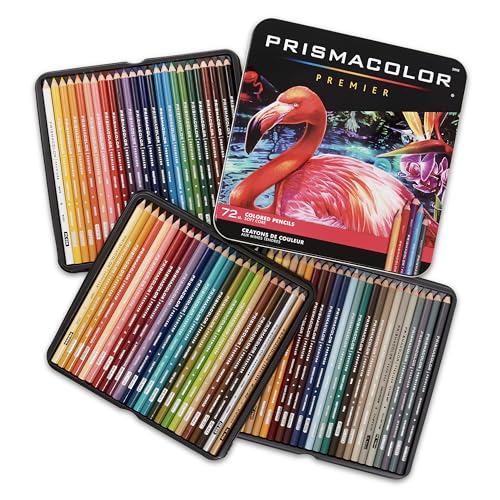
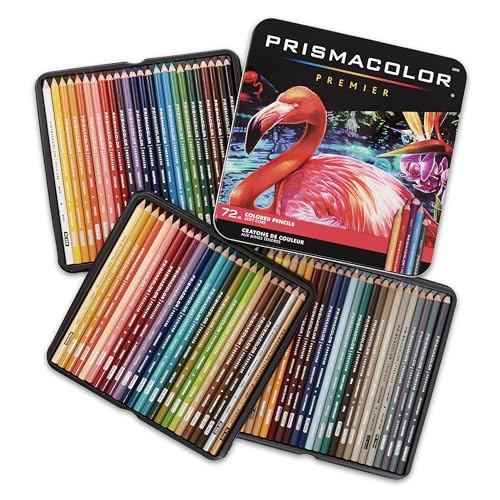
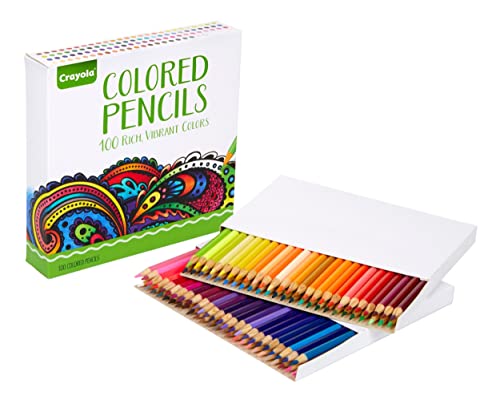
If grip strength is an issue, and it often is with arthritis, look for colored pencils with thicker barrels. The Prismacolor Premier Colored Pencils have a standard barrel that works for most hands, but if you need something thicker, Crayola Colored Pencils are wider and easier to hold without fatigue. You can also add foam pencil grips to any pencil to reduce the pressure needed to maintain control.
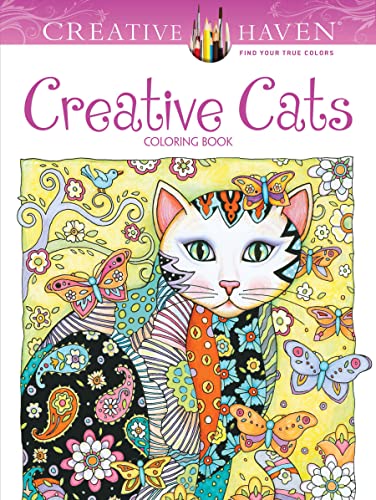
For coloring books themselves, what matters most is choosing designs that don’t require fine motor precision if your hands are having a bad day. Bold, large-scale designs with wider coloring areas are more forgiving than intricate mandalas with tiny spaces. Creative Haven Bold and Easy Coloring Book is designed exactly for this, with thicker lines and larger spaces that are easier on stiff hands. If you’re also dealing with joint inflammation, our guide to coloring with arthritis covers adaptive tools and grip aids in more detail.
Building a Pain Management Coloring Routine
The most consistent feedback from pain patients who use coloring is that it works best as a regular practice, not a crisis tool. If you only pick up a coloring book when pain spikes to a 9, you’re asking it to do too much. But if you color for 20 to 30 minutes most days, you build a habit that keeps your baseline anxiety lower and gives you a familiar tool to turn to when things flare.
Here’s what a simple routine looks like. Pick a time of day when your pain is typically manageable. For many people, that’s mid-morning after medications have kicked in, or evening when the day’s demands are winding down. Set up your supplies in a way that doesn’t require bending or reaching. Keep everything in a pencil case or organizer that sits on your lap or next to your chair.
Set a timer for 20 minutes. Not because you have to stop, but because having an endpoint removes the pressure to “produce” something. You’re not making art for a gallery. You’re giving your brain a different channel to tune into. If 20 minutes feels good and you want to keep going, great. If you need to stop after 10, that’s fine too.
Adapting for Flare Days
On high-pain days, standard coloring might be too much. Your hands shake. Your grip gives out after two minutes. The mental effort of choosing colors feels overwhelming. That doesn’t mean coloring is off the table.
Try switching to colored pencils over markers, since pencils require less pressure. Or try a bold and easy coloring book with large spaces that don’t demand precision. Some people switch to watercolor pencils on flare days, using a wet brush to spread color without needing to fill in every edge by hand.
Another option on the worst days: just pick colors. Open your book to a page, lay out your pencils, and choose which colors you’d use for each section. You don’t have to actually color. The act of looking at the page, thinking about color combinations, and planning the final result still engages the same attentional networks. This kind of mindful color planning pairs well with the techniques in our color theory guide, where you can practice palette-building without needing to fill in a single shape.

What the Research Says and Doesn’t Say
The research on coloring for pain management is promising but not conclusive. Most studies have small sample sizes, and the effects, while measurable, are modest. Coloring is not a replacement for medical treatment, physical therapy, or pain psychology work. What it is, though, is a low-cost, low-risk, widely accessible complementary tool.
The strongest evidence is for coloring’s effect on anxiety, which is closely linked to pain perception. When anxiety drops, the fight-or-flight response that amplifies pain signals also dampens. Coloring gives the nervous system a signal that says “we’re safe, we’re focused on something pleasant, we can stand down.” For someone whose pain is constantly triggering that alarm system, 20 minutes of that signal is valuable.
A guiding mindfulness book can complement the practice by offering short readings to pair with your coloring sessions, giving you both a cognitive framework and a hands-on activity.
Coloring in the Gap
Living with chronic pain means living with gaps. Gaps between what you want to do and what your body lets you do. Gaps between treatments and relief. Gaps in the night when you’re awake and there’s nothing to do but wait for morning. Coloring fills some of those gaps. Not perfectly, not completely, but in a way that feels like yours.
The pages you finish aren’t the point. The 20 minutes where your brain was busy with color instead of pain is the point. That’s the whole practice.
Want to learn more about mindfulness and pain management? Try Audible Premium Plus FREE for 30 days and get 1 free audiobook on chronic pain, mindfulness, or stress relief. Start your free trial
Bottom Line
Coloring won’t stop chronic pain, but it gives you a reliable, affordable way to redirect your attention and lower the anxiety that makes pain worse. The best approach is to make it a regular habit before a flare hits, keep your supplies accessible, and adapt the complexity of your coloring to match what your hands and mind can handle on any given day. Twenty minutes, a few colored pencils, and a book with designs you enjoy. That’s the whole prescription.
Affiliate disclosure: As an Amazon Associate, I earn from qualifying purchases. This doesn’t affect the price you pay, and I only recommend products I genuinely think will help.
🎨 Get Your Free Stress Relief Coloring Guide
Join our newsletter and get this free printable plus weekly tips.
Price Check
Prices verified via our product tracker. Updated Sep 27.
| Amazon.com : Prismacolor Premier Colored Pencils, Soft Cor | $74.99 | 4.8★ (29,632) |
| Amazon.com: Kum AS2, Two Hole Automatic Long Point Pencil | $8.10 | 4.5★ (1,942) |
| Amazon.com: Creative Haven Creative Cats Coloring Book (Ad | $7.99 | 4.8★ (5,312) |
| Amazon.com: Crayola Adult Colored Pencil Set (100ct), Prem | $24.08 | 4.7★ (55,736) |
| Amazon.com: The Mindfulness Coloring Book: Relaxing, Anti- | $9.95 | 4.3★ (1,329) |
| Amazon.com: World of Flowers: A Coloring Book and Floral A | $16.95 | 4.8★ (6,166) |
As an Amazon Associate we earn from qualifying purchases.