This article contains affiliate links. We may earn a commission from qualifying purchases.
Some content on this site is AI-assisted and reviewed by our editorial team.
The Claim Versus the Evidence
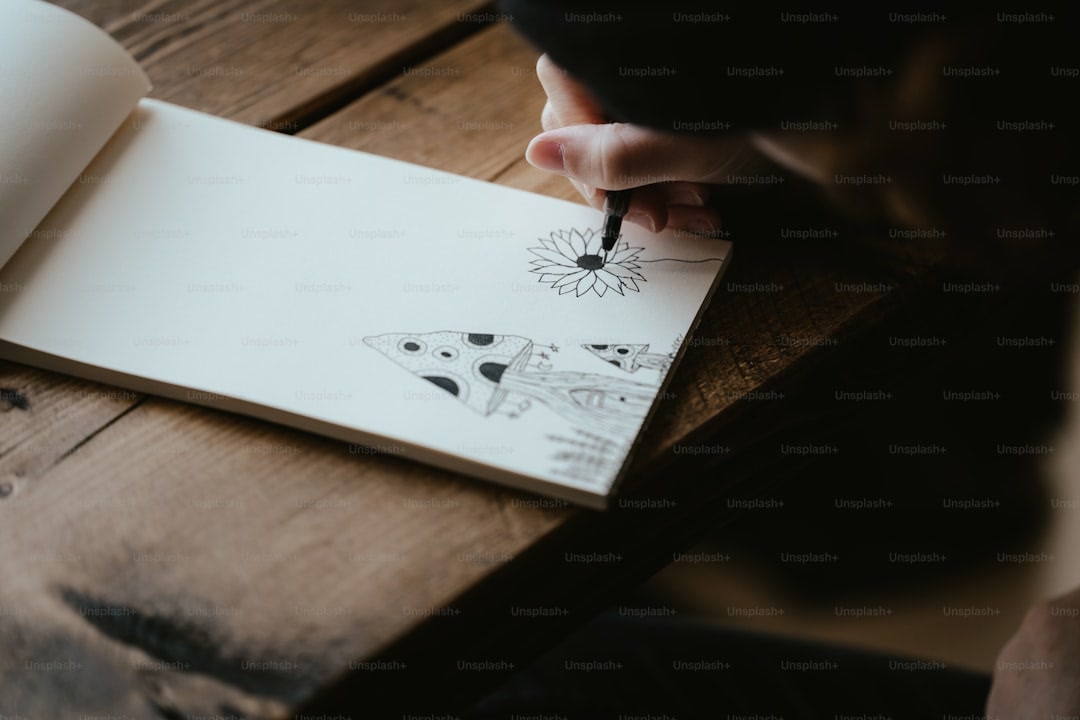
Walk into any bookstore and you will see adult coloring books marketed as stress relief, mindfulness tools, and anxiety reducers. The claim is everywhere. But does coloring actually lower anxiety in a measurable way, or is it just a pleasant distraction? Recent research gives a clearer answer than you might expect, and it is more nuanced than the marketing suggests.
Disclosure: As an Amazon Associate, ColoredCalm earns from qualifying purchases. This post contains affiliate links, which means we may earn a commission if you click through and make a purchase, at no additional cost to you.
A 2026 study published in Frontiers in Public Health tested digital mandala coloring against traditional paper-based coloring with 60 university students. After anxiety induction, participants colored for 30 minutes. Both methods reduced self-reported anxiety, but the digital format produced stronger physiological calming, measurable drops in heart rate and skin conductance. The mechanism was not just distraction. It was flow.
Why Flow Matters More Than Distraction
The Frontiers study found something that previous research missed: flow state fully mediated the relationship between coloring and anxiety reduction. Flow is that absorbed, lose-track-of-time state where your attention is completely engaged in the task at hand. When coloring triggers flow, anxious thoughts do not just get pushed aside temporarily, the mental loop that sustains anxiety actually breaks.
This matches what Girija Kaimal, chair of creative arts therapies at Drexel University, told Time in April 2026: coloring occupies just enough of your attention to absorb you without demanding so much that it stresses you. It is absorbing without being demanding. That sweet spot is what makes coloring different from, say, scrolling your phone, which also distracts you but rarely produces flow.
The practical takeaway: the way you color matters more than whether you color. A coloring session where you pick colors deliberately, focus on staying inside the lines, and let the rhythm of filling spaces pull you in, that session reduces anxiety. A session where you absentmindedly scribble while half-watching television probably does not, at least not in the same way.
What the Research Actually Shows
Here is what the evidence supports as of 2026:
- Mandala coloring reduces state anxiety. Multiple studies, including the 2026 Frontiers paper and earlier work by Kaimal’s team, confirm that coloring structured patterns, especially mandalas, lowers self-reported anxiety in the short term. The effect holds across age groups.
- Flow is the active ingredient. The Frontiers study demonstrated that flow state fully mediates anxiety reduction. Without flow, coloring is just pleasant. With flow, it becomes therapeutic.
- Digital coloring works differently but effectively. Digital mandala coloring with simple, fluid interactions produced equal anxiety reduction to paper, with stronger physiological calming effects. The real secret is interaction fluency, smooth, uninterrupted actions that maintain flow.
- Caregivers show measurable benefits. Kaimal’s earlier research found that caregivers who colored for 30 minutes showed significant reductions in stress biomarkers, not just self-reported mood.
- Structured patterns outperform free-form coloring for anxiety. Open-ended creative tasks can actually increase anxiety for some people. The structure of a pre-drawn design removes the pressure of deciding what to create, which is part of why coloring works for people who find traditional art making stressful.
How to Color for Anxiety Relief, Not Just Fun
Knowing that flow drives the anxiety-reducing effect changes how you approach a coloring session. These are not hacks or tricks, they are ways to set up the conditions for flow to happen:
Pick Designs That Match Your Skill Level
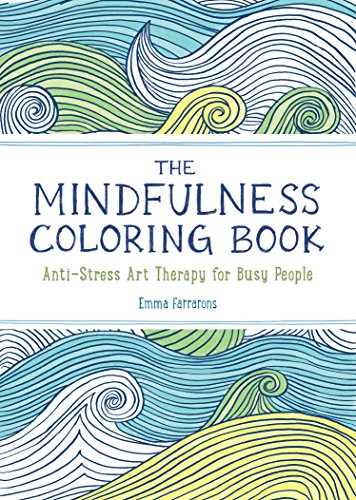
Flow happens in the zone between boredom and frustration. Too simple and your mind wanders back to anxious thoughts. Too complex and you feel overwhelmed. If you are new to coloring, start with larger spaces and simpler patterns. The Mindfulness Coloring Book by Farrarons hits that balance, structured enough to engage you, open enough to keep you relaxed.
Color for at Least 20 Minutes
The Frontiers study used a 30-minute coloring session. Flow takes time to build. If you only color for five or ten minutes, you might enjoy it, but you likely will not reach the absorbed state where anxiety reduction kicks in. Set a timer, put your phone on do not disturb, and give yourself at least 20 uninterrupted minutes.
Limit Your Color Choices
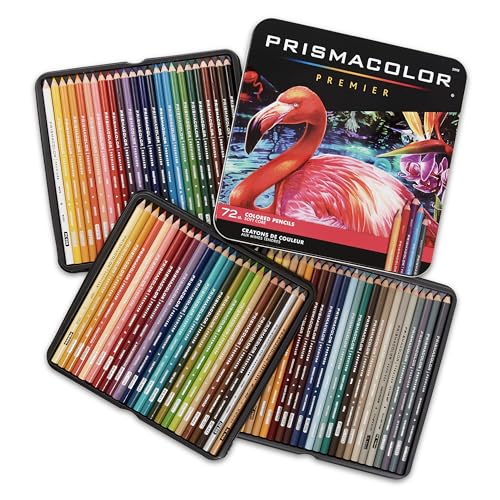
Decision fatigue kills flow. Instead of picking from a full 72-pencil set every time you fill a new section, pull out 8 to 12 colors that work together before you start. A limited palette forces you to be creative within constraints, which actually enhances flow rather than limiting it. The Prismacolor Premier 72-Color Set gives you the full range to choose from, but try selecting a subset before each session.
Try a Mandala First
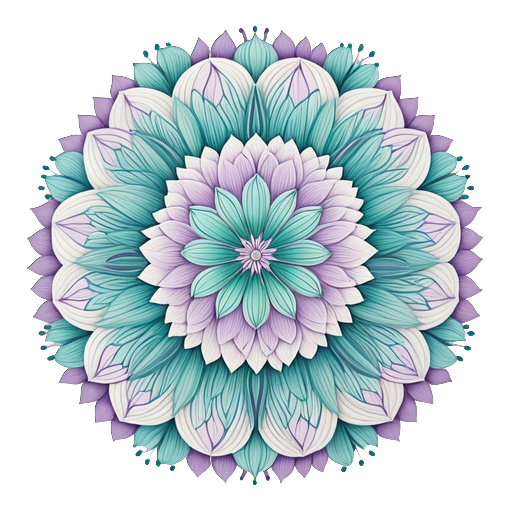
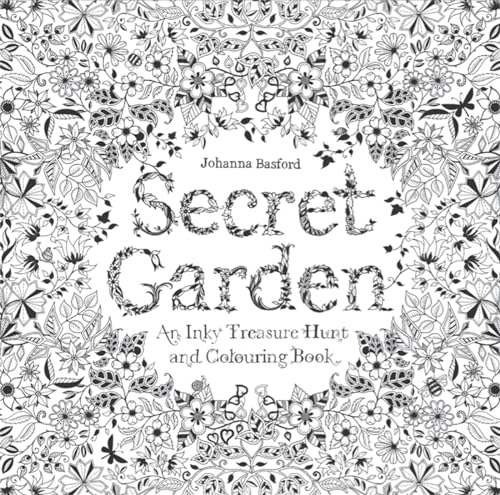
The research specifically studied mandala coloring for anxiety, and the results are consistent: structured, symmetrical patterns with repeating elements are the most effective design type for reducing anxiety. If you want to test whether coloring helps with your stress, start with a mandala rather than a landscape or character-based page. Secret Garden by Johanna Basford includes mandala-inspired circular designs within its garden scenes.
Digital Versus Paper: Does It Matter?
The 2026 Frontiers study found that digital mandala coloring reduced anxiety just as effectively as paper-based coloring, with stronger physiological effects. But there is a catch: the digital tools that worked best used simple, fluid interactions, sliding a finger to fill sections, for example. Digital apps that add game mechanics, timers, or complex menus actually reduced flow and weakened the anxiety-reducing effect.
If you prefer paper, paper works. If you prefer a tablet, choose an app with minimal interface and smooth interactions. What matters is not the medium but whether it lets you stay absorbed. The research is clear: optimize for flow, not for features.
What Coloring Cannot Do
Being honest about the limits matters as much as understanding the benefits. Coloring reduces state anxiety, the temporary, situational kind. It does not treat clinical anxiety disorders, and it is not a replacement for therapy or medication. If you experience persistent anxiety that interferes with your daily life, coloring can be a helpful complement to professional treatment, not a substitute for it.
Coloring also does not work equally well for everyone. Some people find repetitive tasks boring rather than absorbing, and boredom does not produce flow. If coloring feels like a chore rather than an escape, it might not be the right mindfulness tool for you, and that is fine. The same flow state can come from knitting, cooking, gardening, or any activity that absorbs you without overwhelming you.
Read unlimited books? With Kindle Unlimited, read as much as you want from 4M+ titles, including thousands of coloring and art books. Try Kindle Unlimited FREE for 2 months
Bottom Line
Coloring reduces anxiety, and the science now explains why: it triggers flow state, which breaks the mental loop of anxious rumination. The effect is real and measurable, not just a marketing story. But the benefit depends on how you color. Structured designs, focused attention, and enough time to reach flow are what make the difference. A coloring book on its own is just paper and ink. A coloring session done right is a legitimate tool for managing everyday anxiety.
Start with a mandala. Give it 20 minutes. Put your phone away. Let the page pull you in.
n
🎨 Get Your Free Stress Relief Coloring Guide
Join our newsletter and get this free printable plus weekly tips.
Price Check
Prices verified via our product tracker. Updated Sep 27.
| Amazon.com: The Mindfulness Coloring Book: Relaxing, Anti- | $9.95 | 4.3★ (1,329) |
| Amazon.com : Prismacolor Premier Colored Pencils, Soft Cor | $74.99 | 4.8★ (29,632) |
| Secret Garden: An Inky Treasure Hunt and Coloring Book for | $15.95 | 4.7★ (16,080) |
As an Amazon Associate we earn from qualifying purchases.