
This article contains affiliate links. We may earn a commission from qualifying purchases.
Some content on this site is AI-assisted and reviewed by our editorial team.
Zen Tangle Coloring: How Structured Doodling Became the Most Meditative Form of Coloring
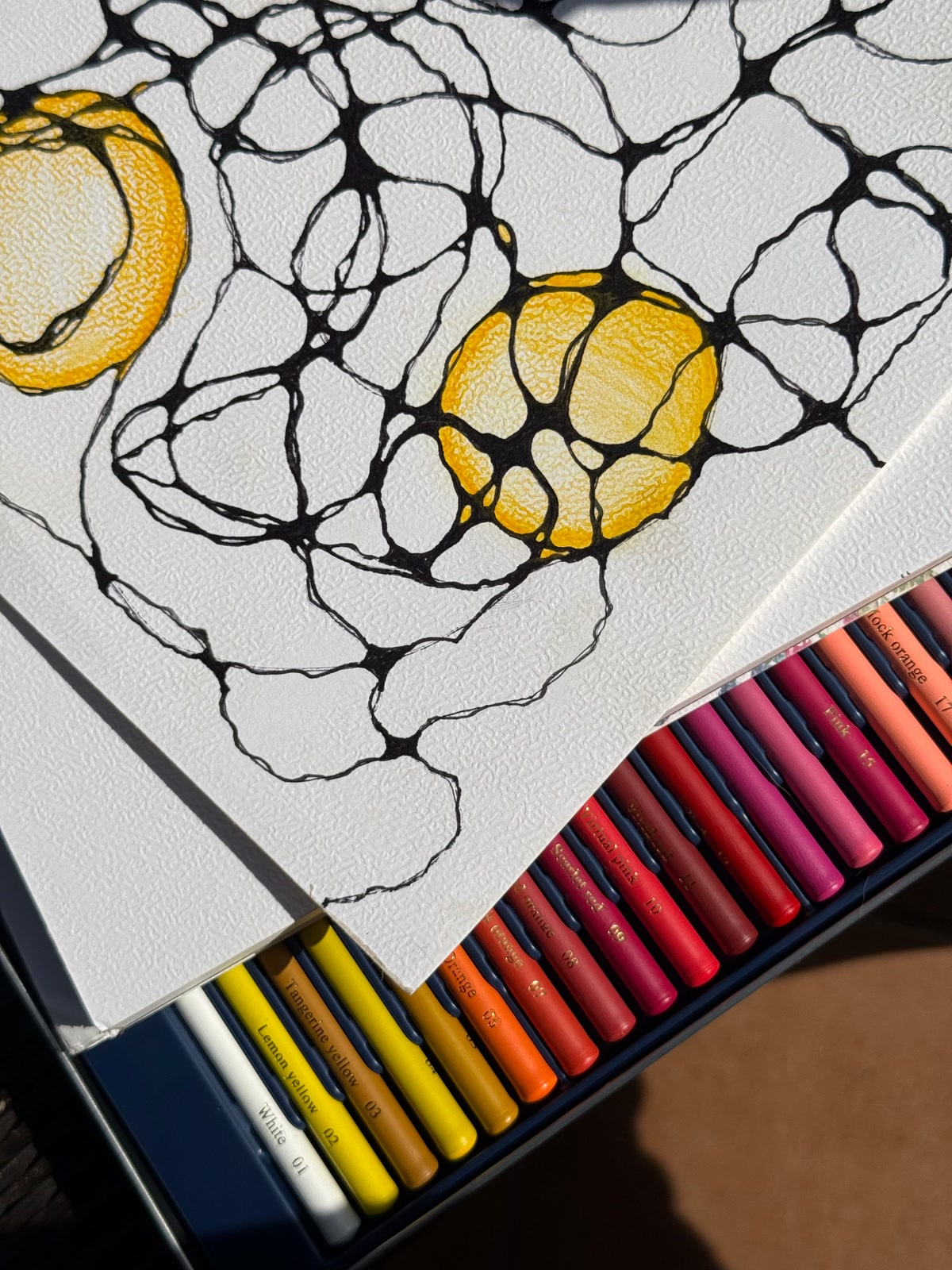
You have probably seen zen tangles without knowing what they were. They are the coloring pages that look like organized doodles, patterns within patterns, repeating shapes nested inside each other, geometric forms that seem to shift and flow across the page. They look like the kind of thing you doodle in the margins of a notebook during a long meeting, except elevated to an art form and organized into a deliberate composition.
The zen tangle method was developed as a structured meditation practice, a way to achieve a calm, focused state of mind through repetitive, deliberate drawing. But you do not need to draw your own tangles to get the benefits. Coloring pre-drawn tangle designs offers the same meditative quality, with one major advantage: you skip the part where you have to come up with the patterns yourself.
What Is Zen Tangle Coloring?
A zen tangle is a structured pattern drawing made up of small, repetitive shapes called tangles. Each tangle is a simple pattern, loops, lines, dots, curves, grids, that is repeated to fill a section of the page. When multiple tangles are combined on a single page, the result is a complex, abstract design that looks intricate but is actually made of very simple parts.
Coloring zen tangle designs is different from coloring other subjects because the patterns themselves provide the structure. You are not deciding how to fill a large blank petal or sky. You are coloring small, defined sections, a square here, a circle there, a row of triangles. This makes zen tangle coloring unusually low-pressure. Each section is small enough to finish in under a minute, which means you get constant, rapid satisfaction of completion. Finish a section, move to the next, finish that, move again. The rhythm is inherently soothing.
Why Zen Tangle Coloring Is Deeply Meditative
The Power of Repetition
The human brain responds to repetition with calm. This is why knitting, rosary beads, chanting, and drumming are all relaxing, they all involve doing the same simple action over and over. Zen tangle coloring works the same way. Color a section, move to the next identical section, color it the same way, move to the next. The repetition puts your brain into a low-frequency state that is associated with relaxation and reduced anxiety. It is the same mechanism that makes mandala coloring calming, but zen tangles offer more variety in each page, which keeps the mind from wandering.
No Creative Pressure
One of the barriers to meditation and mindfulness practices is that they require you to sit still and think about nothing, which is famously difficult. Zen tangle coloring gives your hands something to do while your mind settles. You do not have to clear your thoughts, you just have to color the next section. The focus required is gentle, not intense. Your mind can wander and come back, wander and come back, and each time it comes back, there is a clear, simple task waiting for it. This is the same principle behind worry stones and fidget toys, but with the added satisfaction of creating something beautiful.
Zero Decision Fatigue
Many coloring books require creative decisions: what color for this flower, how to shade this sky, whether to blend or layer. These decisions are part of what makes coloring fun, but they can also be mentally taxing, especially after a long day. Zen tangle coloring eliminates most decisions. The patterns tell you exactly where each color goes. You can use as few as two colors for an entire page, alternating them in sections, and the result looks designed and intentional. This makes zen tangle coloring the perfect end-of-day activity when your brain is too tired for creative choices.
How to Color Zen Tangle Pages
The Two-Color Method
For the simplest, most meditative experience, choose two contrasting colors, one dark, one light, and alternate them across sections. Black and gold. Navy and cream. Deep green and light yellow. The contrast makes the pattern visible and satisfying, and the simplicity keeps you in a repetitive flow state. This method is particularly good for evening coloring when you want minimum cognitive load.
The Gradient Method
Choose three to five colors that form a gradient, for example, light blue to dark blue, or yellow through orange to red. Assign each color to a section based on its position on the page, creating a smooth color transition across the entire design. This requires slightly more thought than the two-color method but produces a striking, polished result that looks like a single unified piece rather than a collection of individual sections.
The Pattern-Color Method
Instead of coloring by position, color by pattern type. If the page has three different tangle patterns, say, loops, grids, and dots, assign one color to all loops, another to all grids, and a third to all dots. The result is a page where the underlying structure becomes visible through color, and the design reveals itself in a new way. This method is more analytical and engaging, good for when you want a bit more mental involvement.
The Jewel Tone Method
For maximum visual impact, use four to six jewel-toned colors, emerald, sapphire, amethyst, ruby, topaz, and onyx. Assign colors to sections randomly or in a pattern that pleases you. The rich, saturated tones make even simple tangle patterns look luxurious and ornate. This is the method to use when you want a finished page that looks impressive enough to frame.
Best Supplies for Zen Tangle Coloring
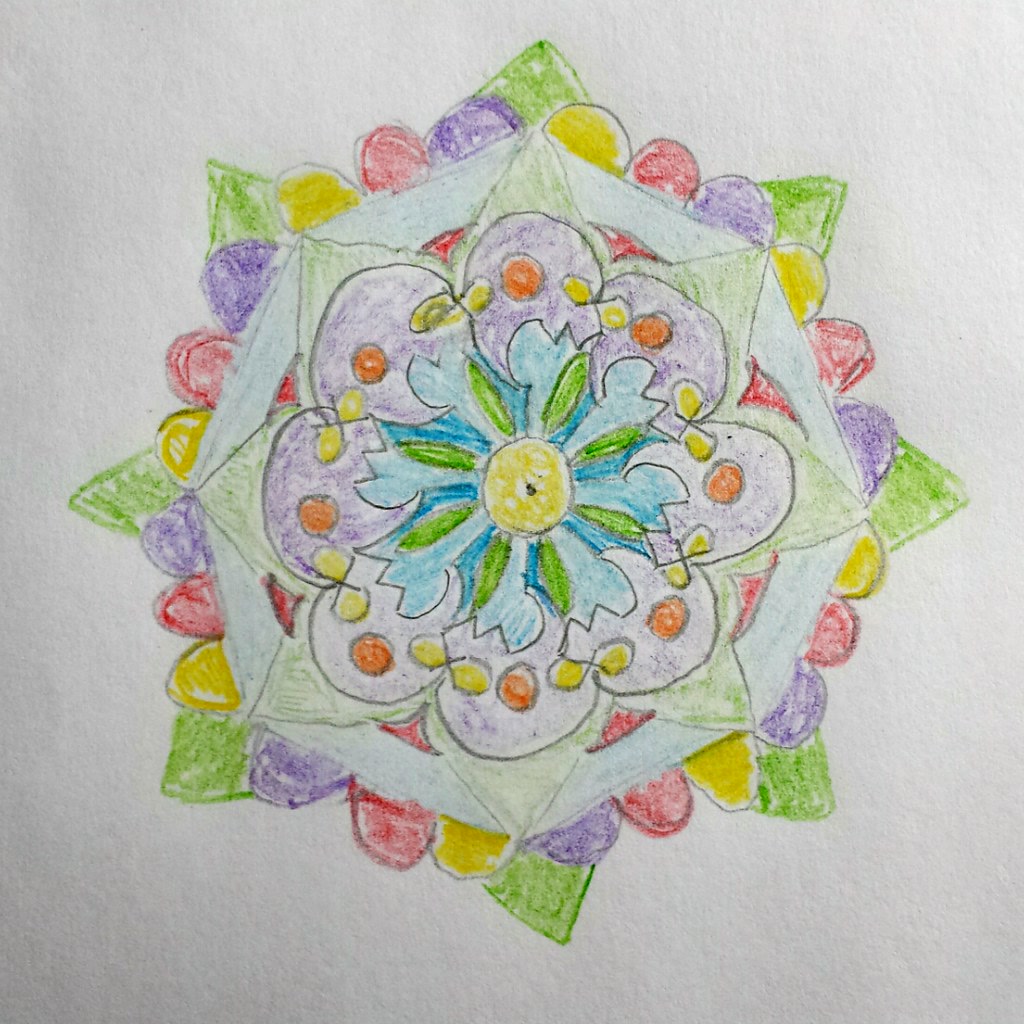
Zen tangle designs are typically printed with fine, thin lines, and the sections are small. This means you need tools that can deliver precise color in tight spaces:
- Faber-Castell Polychromos, hard, precise lead that holds a sharp point for coloring tiny sections without smudging adjacent areas
- Crayola Colored Pencils, budget option that still delivers fine tips and smooth color for small sections
- Sakura Pigma Micron Fineliners, for coloring the very smallest sections that even colored pencils cannot reach, or for adding your own tangle patterns to blank areas
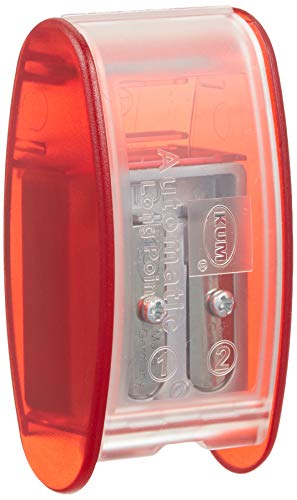
- Quality Pencil Sharpener, essential for maintaining fine tips on your pencils while working on detailed tangle pages
When to Choose Zen Tangle Coloring Over Other Types
| You want… | Best choice |
|---|---|
| Deep meditation and flow | Zen tangle (repetitive, low-decision) |
| Creative expression | Floral or fantasy (color choice matters) |
| Quick sessions (10 minutes) | Zen tangle (finish multiple sections fast) |
| Impressive finished results | Stained glass or fantasy (bold, visual) |
| End-of-day relaxation | Zen tangle (zero decision fatigue) |
| Social coloring with friends | Any type (coloring is social by nature) |
Bottom Line
Zen tangle coloring is the most meditative, lowest-pressure form of Adult Coloring. The repetitive patterns, small sections, and minimal decision requirements make it ideal for stress relief, end-of-day unwinding, and achieving a flow state quickly. You do not need to be artistic. You do not need to make creative decisions. You just need to color the next small shape, then the next, then the next, and somewhere in that rhythm, the noise in your head goes quiet.
If you have tried mandalas and found them too repetitive, or tried floral designs and found them too demanding, zen tangle coloring is the middle ground: structured enough to be calming, varied enough to be interesting, and simple enough that you can start reaping the meditative benefits within the first five minutes.
🎨 Get Your Free Stress Relief Coloring Guide
Join our newsletter and get this free printable plus weekly tips.