This article contains affiliate links. We may earn a commission from qualifying purchases.
Some content on this site is AI-assisted and reviewed by our editorial team.
Anxiety has a way of making your mind race in loops. Your thoughts spiral, your chest tightens, and focusing on anything feels impossible. What if there were a simple, accessible tool that could interrupt that spiral in just ten minutes? Coloring does exactly that, and the science behind it is more convincing than you might expect.
Disclosure: As an Amazon Associate, ColoredCalm earns from qualifying purchases. This post contains affiliate links, which means we may earn a commission if you click through and make a purchase, at no additional cost to you.
Coloring for anxiety relief is not about creating art. It is about giving your brain a structured, predictable Activity That gently pulls your attention away from anxious thoughts and into the present moment. The repetitive motion, the color choices, the boundaries of the page, they all work together to create a calming effect that is measurable, immediate, and surprisingly powerful.
What Anxiety Does to Your Brain
When anxiety kicks in, your brain shifts into threat-detection mode. The amygdala, your brain’s alarm system, fires off signals that prepare your body for danger. Your heart rate increases, your breathing gets shallow, and your prefrontal cortex, the part responsible for rational thinking, gets sidelined. This is the fight-or-flight response, and it is exhausting when it activates too often or too intensely.
The key insight from neuroscience is that you cannot simply think your way out of anxiety. Telling yourself to calm down does not work because the anxious brain is not in a state where rational self-talk gets through. You need an activity that engages your senses and your hands, something that requires just enough focus to redirect your attention without demanding complex problem-solving.
Why Coloring Works: The Science
Research on coloring as an anxiety intervention has grown significantly over the past decade. A 2020 study published in the journal Creativity Research Journal found that coloring geometric mandalas for just 20 minutes significantly reduced anxiety levels compared to free-drawing or reading. The structure of the coloring page, defined boundaries, repeating patterns, appears to be a key factor.
Here is what happens in your brain when you color. The repetitive motion of filling in shapes activates what psychologists call flow state, a state of focused absorption where time seems to slow down and self-conscious thought fades. Your breathing naturally slows. Your heart rate decreases. The structured nature of coloring, choosing a color, staying within the lines, completing a section, gives your mind a gentle, predictable task that crowds out anxious rumination.
Coloring also engages your visual and motor cortex simultaneously, which means your brain is too busy coordinating hand and eye to keep running anxious thought loops. Think of it as a traffic detour. You are not erasing the anxiety pathway. You are routing traffic down a calmer street until the congestion clears.
Choosing the Right Coloring Pages for Anxiety
Not all coloring pages are equally calming. When you are anxious, the goal is to reduce cognitive load, not add to it. Here is how to choose pages that help rather than frustrate.
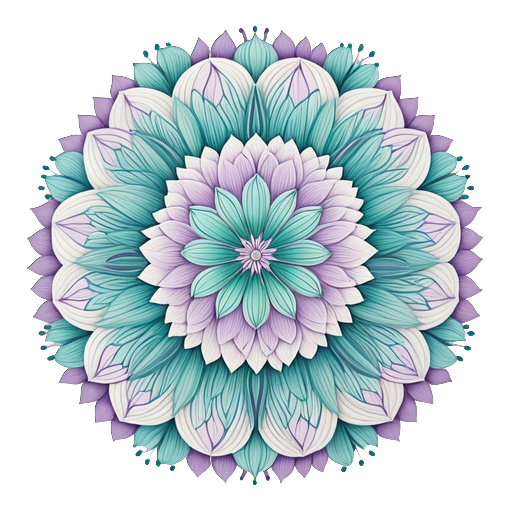
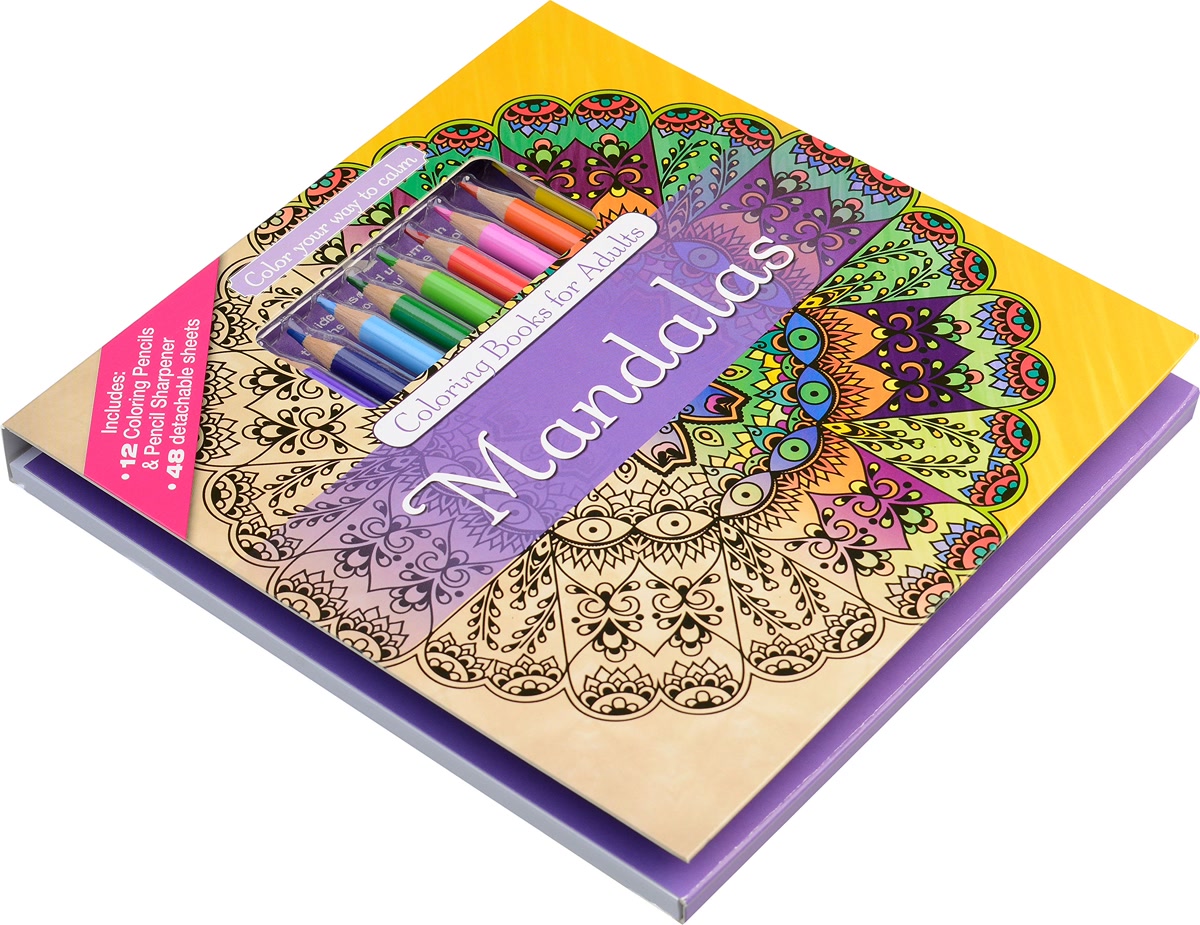
Start with moderate detail. Pages with too little detail (large blank areas) leave too much room for anxious thoughts to creep back in. Pages with too much detail (tiny intricate patterns) can feel overwhelming and trigger perfectionism. A mandala with 10 to 20 sections hits the sweet spot. Nature scenes with organic shapes, flowers, leaves, waves, also work well because the flowing lines feel soothing rather than rigid.
Avoid pages with complex perspective, human faces, or realistic shading requirements. These demand more from your visual processing and can create frustration instead of calm. Simple, symmetrical, and moderately detailed is the formula.
Good options include Secret Garden by Johanna Basford for its flowing nature patterns, The Mindfulness Coloring Book by Emma Farrarons for simple, calming designs, and Enchanted Forest by Johanna Basford for a slightly more detailed escape.
Top Pick: Check Price on Amazon →
The 10-Minute Anxiety Coloring Protocol
You do not need an hour to feel the benefits. Here is a simple ten-minute routine designed specifically for anxiety relief.
Minute 1 to 2: Pick one color. Do not deliberate. Grab the first color that draws your attention. Start filling in any section. The point is to start, not to plan. Perfectionism is anxiety in disguise, so choosing quickly breaks that pattern.
Minute 3 to 5: Settle into a rhythm. Let your hand move at a comfortable pace. Notice the texture of the pencil on paper. Feel the slight resistance as you fill in each area. If your mind wanders to anxious thoughts, gently redirect your attention to the color you are applying and the sensation in your hand.
Minute 6 to 8: Broaden your awareness. Notice the colors already on the page. See how they relate to each other. Make your next color choice based on what the page needs, not what your anxious mind is telling you. This shifts you from reactive to creative mode.
Minute 9 to 10: Slow down and finish the section you are working on. Do not rush to complete the page. The goal is not a finished product. It is a calmer mind. When you feel ready, set the pencil down and take three slow breaths.
Color Choices That Support Calm
The colors you reach for when anxious are not random. Color psychology research suggests that cool tones, blues, greens, and soft purples, activate the parasympathetic nervous system, which counteracts the fight-or-flight response. Warm earth tones like terracotta, sage, and sand create a grounded, safe feeling.
This does not mean you should force yourself to use only calming colors. If you feel drawn to bright reds or deep blacks, use them. Sometimes anxiety expresses itself through intense color choices, and that expression is part of the release. What makes the difference is letting your color choices flow naturally rather than overthinking them.
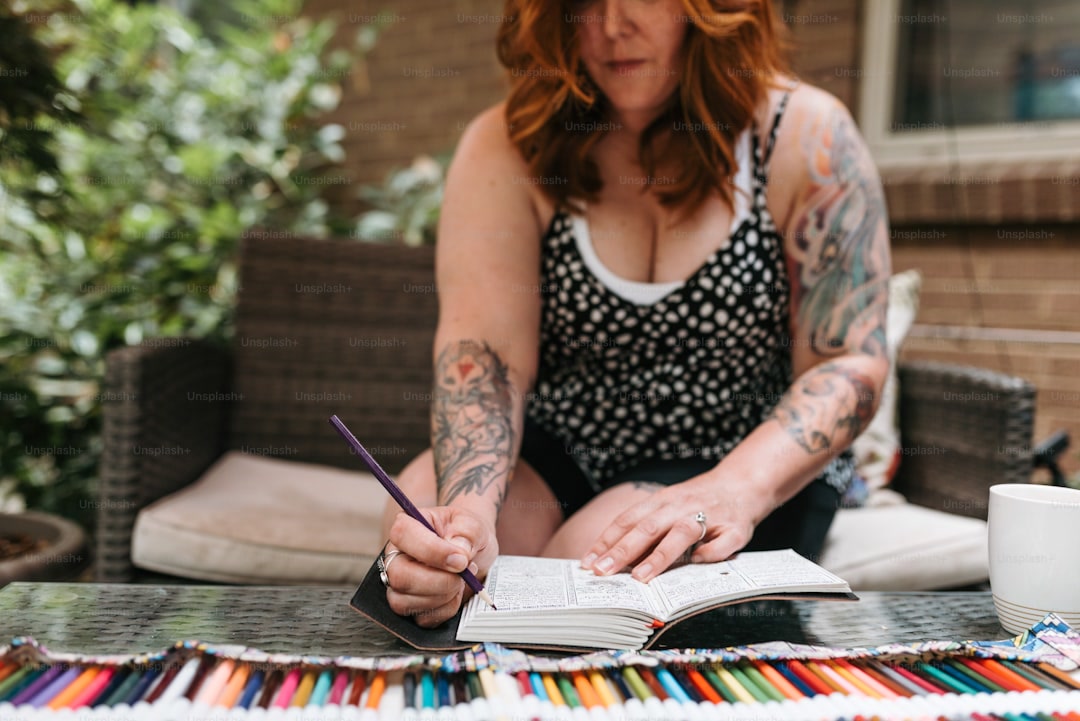
A good colored pencil set gives you the range to follow your instincts. Prismacolor Premier 72-Color Set provides soft, blendable cores in a wide spectrum, and Faber-Castell Polychromos 60-Color Set offers vibrant, oil-based color that glides smoothly without pressure.
Top Pick: Check Price on Amazon →
Coloring vs Other Anxiety Techniques
You might wonder how coloring compares to other anxiety management tools. Meditation is excellent, but it requires training and can feel impossible when anxiety is peaking. Your mind simply will not stay still. Coloring offers similar benefits with a lower barrier to entry because your hands are occupied and your attention has a gentle anchor.
Deep breathing exercises work well for acute anxiety, but they address the body, not the racing thoughts. Coloring addresses both. Your breathing naturally slows as you focus, and the cognitive engagement redirects the thought patterns that breathing alone cannot reach.
Journaling is powerful for processing anxious thoughts, but it can also amplify them. Writing about your worries sometimes intensifies them before relief comes. Coloring sidesteps this by giving your mind something else to focus on entirely, creating distance from the anxious content without suppressing it.
Building a Daily Coloring Practice
The benefits of coloring for anxiety compound over time. A single session helps in the moment, but a daily practice retrains your nervous system. Start with just ten minutes, ideally at the same time each day. Morning works for some people because it sets a calm baseline for the day. Others prefer evening as a way to decompress before sleep, as described in our guide to coloring for better sleep.
Keep your supplies accessible. If your pencils and book are buried in a drawer, the friction of getting them out will stop you before you start. A simple pencil roll on your nightstand or a desktop organizer within arm’s reach removes that barrier entirely.
Top Pick: Check Price on Amazon →
Track how you feel before and after each session, even if it is just a mental note. Most people notice a shift after the first few sessions, and that positive feedback loop makes it easier to keep going. Over time, your brain starts to associate the act of sitting down to color with a transition into calm, making the practice more effective each time.
When Coloring Is Not Enough
Coloring is a powerful complement to other anxiety management strategies, but it is not a replacement for professional help. If your anxiety is persistent, interfering with daily life, or accompanied by panic attacks, a therapist can help you develop a comprehensive treatment plan. Coloring fits beautifully alongside therapy, medication, or other interventions, think of it as one tool in your kit, not the whole toolbox.
Want to listen to books on the go? Try Audible Premium Plus FREE for 30 days and get 1 free audiobook on mindfulness, creativity, or anything else. Start your free trial
Bottom Line
Coloring for anxiety relief works because it gives your overactive brain a simple, structured task that naturally interrupts anxious thought patterns. You do not need artistic skill, expensive supplies, or a lot of time. Ten minutes with a moderately detailed page and a set of colored pencils can shift your mental state from anxious and overwhelmed to calm and present. The science supports it, the practice is simple, and the barrier to starting is almost zero. Pick up a pencil and give it a try the next time anxiety shows up uninvited.
ColoredCalm reviews coloring supplies and mindfulness tools and shares practical guides for adult coloring enthusiasts. Learn more at coloredcalm.com/about/.
🎨 Get Your Free Stress Relief Coloring Guide
Join our newsletter and get this free printable plus weekly tips.
Price Check
Prices verified via our product tracker. Updated Sep 27.
| Secret Garden: An Inky Treasure Hunt and Coloring Book for | $15.95 | 4.7★ (16,080) |
| Amazon.com: The Mindfulness Coloring Book: Relaxing, Anti- | $9.95 | 4.3★ (1,329) |
| Amazon.com: Enchanted Forest: An Inky Quest and Coloring b | $8.68 | 4.8★ (8,477) |
| Amazon.com : Prismacolor Premier Colored Pencils, Soft Cor | $74.99 | 4.8★ (29,632) |
| Amazon.com: Polychromous Colored Pencil Set In Metal Tin 6 | $79.56 | 4.8★ (4,529) |
| Amazon.com: BTSKY Portable Canvas Zippered Colored Pencil | $13.99 | 4.7★ (1,254) |
As an Amazon Associate we earn from qualifying purchases.