This article contains affiliate links. We may earn a commission from qualifying purchases.
Some content on this site is AI-assisted and reviewed by our editorial team.
Wax vs Oil vs Watercolor Pencils: Which Type Fits Your Coloring Style
After a year of coloring with the wrong pencil type, I figured out why I was frustrated. I was using oil-based Polychromos on a coloring book with thin paper, and the hard cores kept indenting the pages. The problem wasn’t the pencils. The problem was the match between the pencils and how I like to color.
Disclosure: As an Amazon Associate, ColoredCalm earns from qualifying purchases. This post contains affiliate links, which means we may earn a commission if you click through and make a purchase, at no additional cost to you.
Most coloring guides talk about brands. But the more useful question is about core type. Wax-based, oil-based, and watercolor pencils each behave differently on paper, and the right choice depends on how much pressure you use, whether you blend, and what kind of designs you color.
Wax-Based Colored Pencils
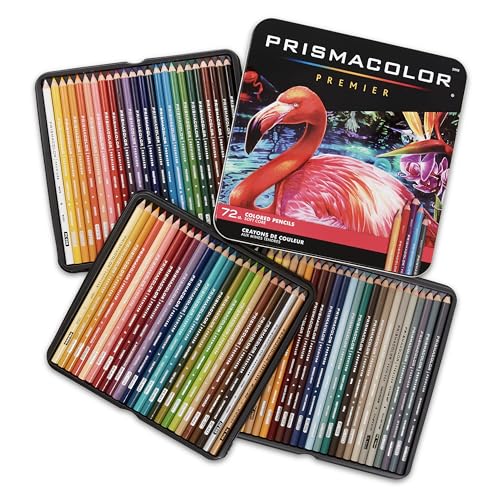
Wax-based pencils have soft cores that lay down color with very little pressure. The wax binder holds pigment in a creamy consistency that blends easily. Think of them as the butter of the colored pencil world.
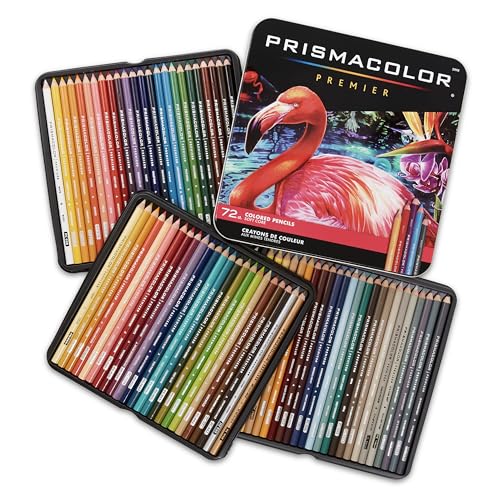
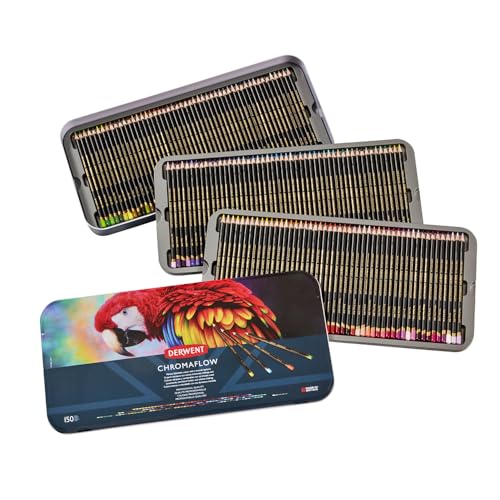
Prismacolor Premier is the most well-known wax-based pencil. Derwent Chromaflow is a newer alternative with a similar soft core at a lower price.
Wax-based pencils are ideal for:
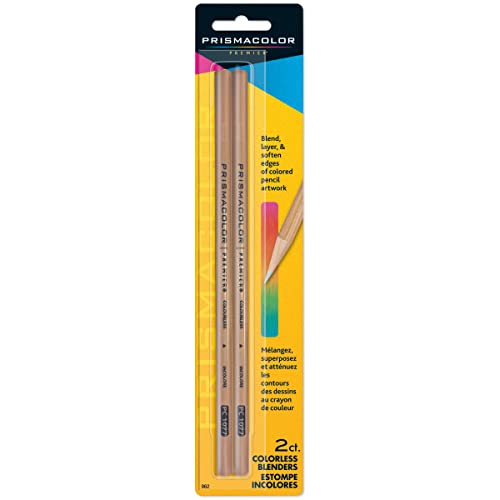
- Colorists who blend frequently with a colorless blender or by layering
- People who color with medium to heavy pressure
- Coloring books with thick paper (200gsm or heavier)
- Designs with large areas of solid color
The downside: wax cores break more easily, they wear down fast, and the points don’t hold up for fine detail work. You’ll also encounter “wax bloom,” a cloudy white film that appears on heavy layers of dark colors after a few days. It wipes off but can be annoying.
Oil-Based Colored Pencils
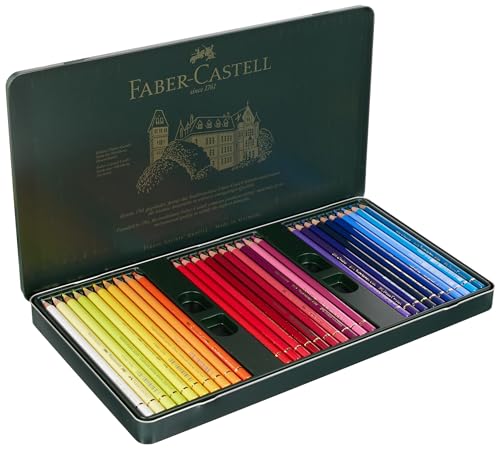
Oil-based pencils have harder cores that hold a sharp point longer. The oil binder makes the pigment more transparent, which means colors layer differently: you can see through the top layer to the color beneath, creating optical mixing instead of covering everything.
Faber-Castell Polychromos is the standard for oil-based pencils. The cores are durable, the colors are precise, and they last forever. For a full comparison, see our Prismacolor vs Polychromos guide.
Oil-based pencils are ideal for:
- Colorists who work on fine details and intricate designs
- People who color with light pressure and multiple thin layers
- Coloring books with thin paper (oil cores are less likely to indent)
- Designs with small spaces and sharp color transitions
The downside: oil-based pencils don’t blend as smoothly as wax-based ones. You need more layers to get saturated color, and blending requires solvents or a blender pencil rather than just smearing with pressure. They also cost more than most wax-based alternatives.
Watercolor Pencils
Watercolor pencils have water-soluble cores. You can use them dry (they behave like regular colored pencils) or activate them with water to create painted effects. They’re two tools in one.
The Ohuhu Honolulu 80-set is a budget watercolor option. For higher quality, Faber-Castell’s watercolor pencil line is excellent. See our full watercolor pencil guide for more options.
Watercolor pencils are ideal for:
- Colorists who want painted-looking results without buying paints
- People who already have watercolor techniques they want to apply to coloring
- Coloring books with thick, watercolor-friendly paper (250gsm or heavier)
- Designs where you want smooth color washes, not pencil texture
The downside: if your coloring book paper is thin (which most are), water will warp it. You need to check your paper weight before using water with these pencils. They also require a brush and water, which adds a step to your process.
Not a Prime member yet? Get FREE 2-day shipping on millions of items, plus access to Prime Video, Prime Music, and Prime Reading. Start your 30-day Prime free trial
How to Decide
If you mostly color for relaxation, use medium pressure, and want smooth blended gradients: get wax-based pencils. The Prismacolor Premier 72-set is the safest choice. Add a colorless blender and you’re set.
If you color intricate designs, prefer fine details, and want pencils that hold their point: get oil-based. Polychromos 60 will last you years.
If you want to experiment with painted effects or already love watercolor: get watercolor pencils and make sure your coloring book paper is thick enough to handle water.
And if you’re not sure, start with a small wax-based set (24 to 36 pencils) from Prismacolor Scholar or browse our under 50 dollars guide for more options.
One last thing: you don’t have to pick just one. Many experienced colorists keep two sets on their desk: a wax-based set for large areas and smooth gradients, and an oil-based set for details and sharp lines. The two types work well together because their binders don’t interfere with each other. If your budget allows for two mid-range sets instead of one premium set, that’s often the better investment.
Bottom Line
There’s no single best pencil type for coloring. There’s the best type for how you color. Match the core to your style, and your results will improve immediately, regardless of brand. For more guidance, browse our complete colored pencil guide or our recommendations under 50 dollars.
🎨 Get Your Free Stress Relief Coloring Guide
Join our newsletter and get this free printable plus weekly tips.
Price Check
Prices verified via our product tracker. Updated Sep 27.
| Amazon.com : Prismacolor Premier Colored Pencils, Soft Cor | $74.99 | 4.8★ (29,632) |
| Amazon.com : Derwent Chromaflow Pencils, Set of 150 in Tin | $149.99 | 4.5★ (3,059) |
| Amazon.com: Polychromous Colored Pencil Set In Metal Tin 6 | $79.56 | 4.8★ (4,529) |
| Amazon.com: Ohuhu Alcohol Markers 80 Colors Brush& Fine fo | $39.99 | 4.5★ (405) |
As an Amazon Associate we earn from qualifying purchases.