This article contains affiliate links. We may earn a commission from qualifying purchases.
Some content on this site is AI-assisted and reviewed by our editorial team.
Stained Glass <a href="https://coloredcalm.com/fix-<a href="https://coloredcalm.com/summer-Coloring-setup-how-to-create-the-perfect-outdoor-and-travel-coloring-station/”>Coloring-mistakes-without-starting-over-2/”>Coloring Books: How to Create Window-Worthy Art With Just Colored Pencils
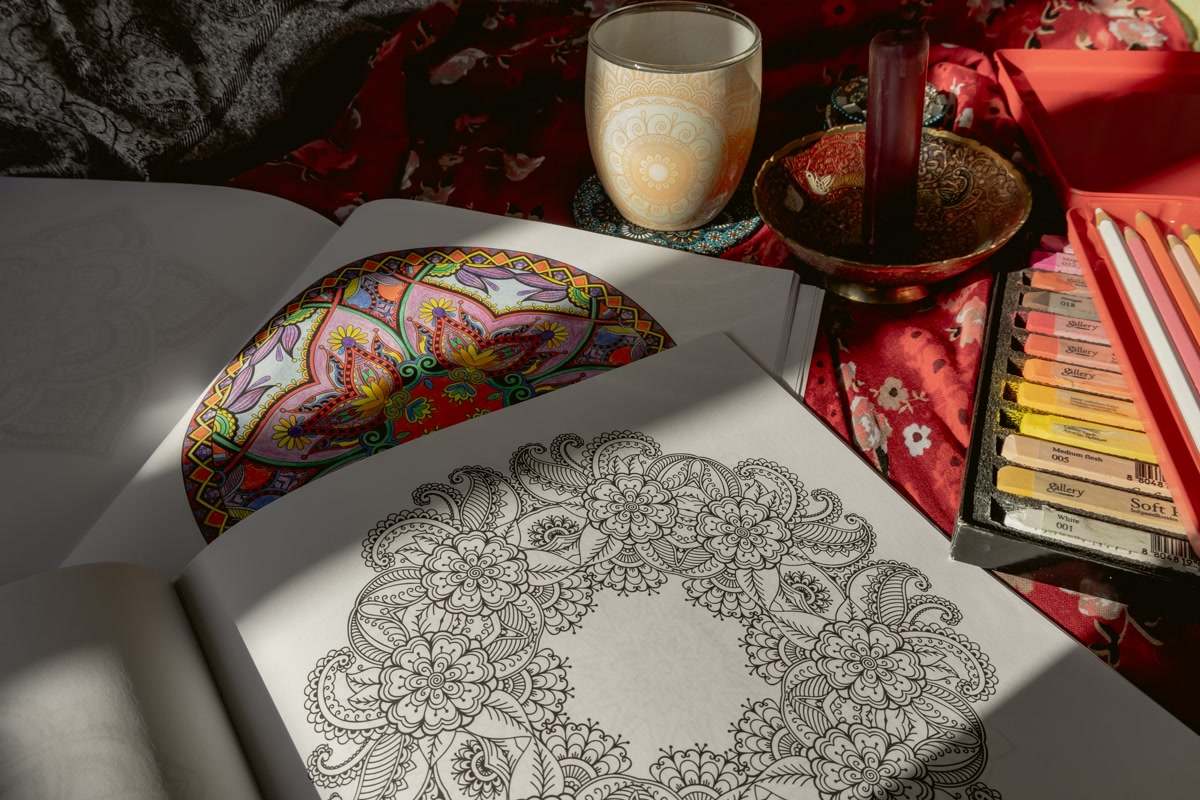
There is something magical about stained glass. The way light passes through colored panels, the bold black lines framing each section, the way a simple window becomes a glowing work of art. You cannot exactly install a stained glass window in your living room on a coloring budget, but you can create something surprisingly close with a stained glass coloring book and the right technique.
Stained glass coloring books are one of the most satisfying niches in adult coloring, and they require a completely different approach than regular coloring books. The results, when done right, are genuinely display-worthy. Here is everything you need to know to get started.
What Makes Stained Glass Coloring Books Different
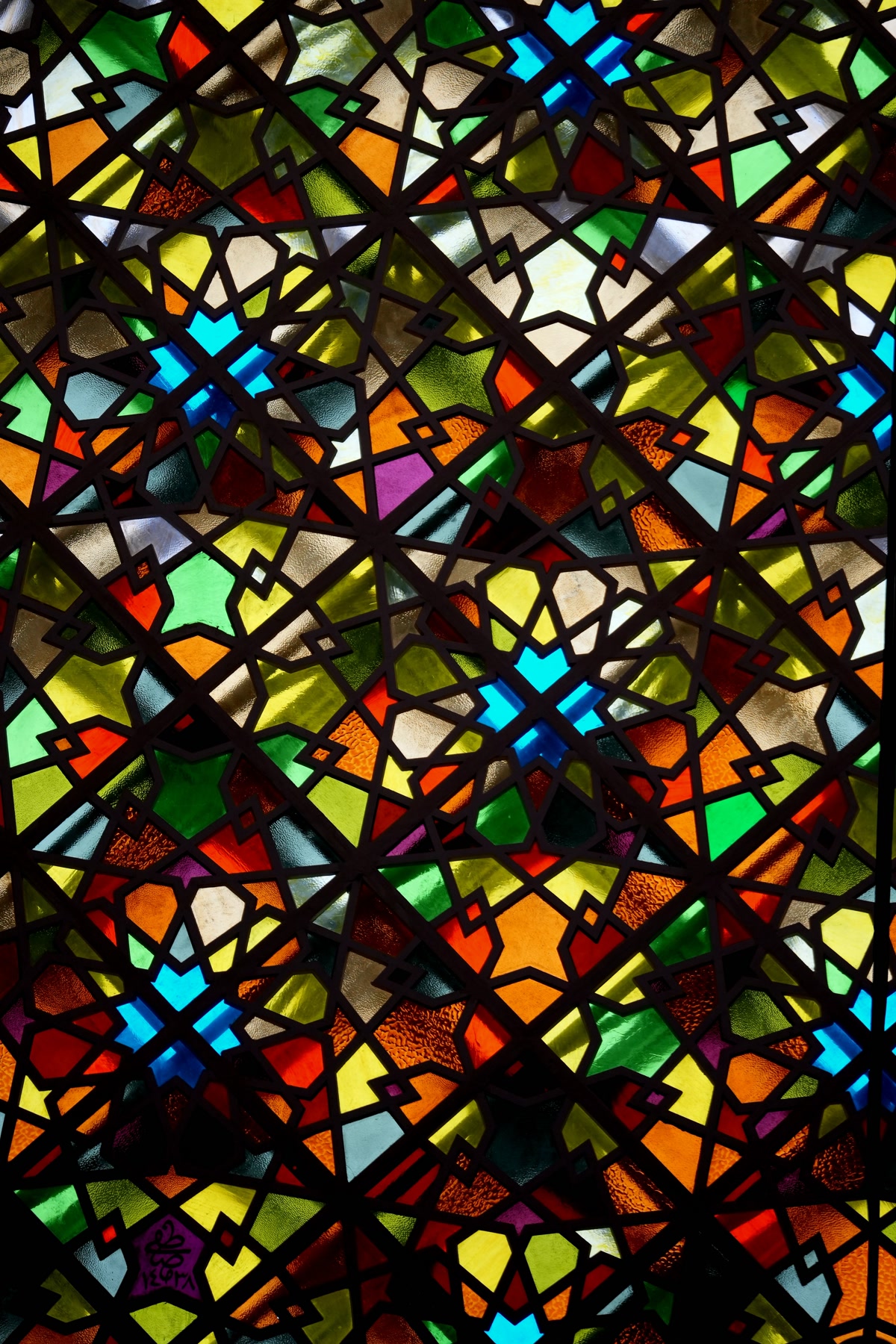
Stained glass coloring books do not look like regular coloring books. Instead of organic, flowing illustrations, they feature geometric designs with bold, thick black lines separating each section, just like real stained glass. The sections are often smaller and more numerous than in regular coloring books, and the overall effect is meant to mimic the look of a glass panel.
The key difference is in how you approach color. In regular coloring, you are trying to create realistic shading and depth. In stained glass coloring, you want flat, vibrant, translucent color, exactly what real stained glass looks like. This means different techniques, different supplies, and a different mindset.
The Window Trick: What Makes Stained Glass Coloring Special
Here is the secret that makes stained glass coloring books so rewarding: if you color them on thin paper with translucent media and hold the finished page up to a window, the light shines through the colored areas and it genuinely looks like stained glass. The bold black lines create the lead framework, and the light passing through your color creates the glass effect.
This is why stained glass coloring books often use thinner paper than regular coloring books, the translucency is the point. Some books even print on vellum or translucent paper specifically for this purpose. It transforms the finished page from a flat piece of colored paper into something that glows.
Not every stained glass coloring book is designed for this, but the best ones are. Dover’s Fanciful Butterflies Stained Glass Coloring Book is the classic example, printed on translucent paper specifically so you can display finished pages in windows. Dover has been making these for decades, and their stained glass series remains the gold standard.
Choosing a Stained Glass Coloring Book
For the Window Effect: Translucent Paper Books
If you want the full stained glass experience, coloring pages that glow in a window, look for books printed on translucent or vellum paper. The Dover Fanciful Butterflies book is the best-known example, but Dover also offers stained glass books with geometric patterns, floral designs, and holiday themes.
For Bold Designs: Regular Paper Books
If you do not plan to display pages in windows and just want the stained glass look on regular paper, there are many excellent options. The Stained Glass Coloring Book for Adults: 50 Window Designs offers bold, satisfying patterns on standard paper. These are easier to color with a wider range of media since you do not have to worry about translucency.
For Large Print: Easier on the Eyes
Stained glass designs can be intricate, with many small sections. If you prefer larger spaces or have vision concerns, the Stained Glass Large Print Coloring Book offers the same bold aesthetic with bigger sections that are easier to fill. This is also a good choice if you have hand pain or arthritis, since larger sections require less precision.
The Best Supplies for Stained Glass Coloring
Colored Pencils: Your Primary Tool
For the stained glass look, you want vibrant, translucent color, not thick, opaque coverage. This makes colored pencils the ideal medium. The translucency of pencil pigment lets light pass through (important if you are using translucent paper), and you can build intensity with multiple layers.
The Crayola 100-Count Colored Pencils are excellent for stained glass coloring. They lay down translucent color that glows beautifully in light, and the 100-color range means you will always have the right jewel tone. For premium quality, use Faber-Castell Jumbo Grip pencils for their smooth, blendable laydown.
Gel Pens: For Opacity and Vibrance
Gel pens work beautifully on stained glass designs because their ink is more vibrant and saturated than colored pencil. They are particularly good for small sections where you want a punch of bright color. Use them on regular paper rather than translucent paper if you want to maintain the window-glow effect.
Alcohol Markers: Bold and Saturated
If you want the most vibrant, glass-like color, alcohol markers are the way to go. They saturate the paper with intense color that mimics the look of real stained glass. Be aware that they will bleed through most paper, so always use a backing sheet and choose single-sided books.
Techniques for Stained Glass Coloring
Use Flat, Even Color
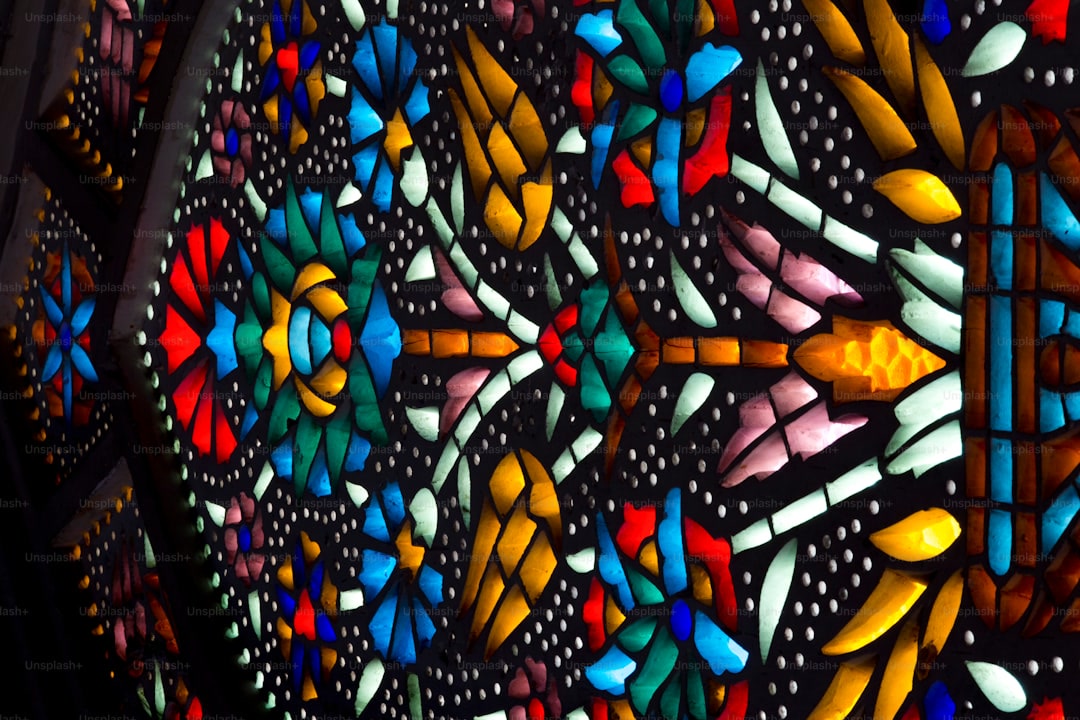
Real stained glass does not have gradients or shading within a single panel, each piece of glass is one solid color. Mimic this by applying flat, even color within each section. Do not vary your pressure or try to create depth. Just fill the space with consistent, uniform color. This is simpler than regular coloring techniques, which is part of what makes stained glass coloring so relaxing.
Choose a Jewel-Tone Palette
Stained glass traditionally uses rich, saturated jewel tones, deep blues, vibrant reds, emerald greens, royal purples, warm golds. These colors look the most authentic and create the most dramatic effect when held up to light. Save your pastels and muted tones for other books. Stained glass wants bold, confident color.
Color Each Section Completely
In regular coloring, you might leave areas lighter to create depth. In stained glass coloring, every section should be fully colored. The black lines provide all the contrast you need, your job is to fill each panel with complete, solid color. Partially filled sections look unfinished and break the stained glass illusion.
Use Multiple Shades of the Same Color
For a sophisticated look, use two or three shades of the same color in adjacent sections. For example, in a flower design, use light red, medium red, and dark red for different petals. This creates visual interest without breaking the stained glass aesthetic, and it mimics how real stained glass uses different textures and densities of the same color.
Display Your Finished Pages
This is the step that makes stained glass coloring truly rewarding. If you used translucent paper, tape your finished page to a window that gets natural light. The transformation is stunning, what looked like a nice colored page on your desk becomes a glowing piece of art in the window. If you used regular paper, display your pages in a bright frame or on a light box.
Stained Glass vs Regular Coloring: What Is Different?
| Aspect | Stained Glass Coloring | Regular Coloring |
|---|---|---|
| Line style | Bold, thick black lines | Thin outlines, often organic |
| Color approach | Flat, even, no shading | Layered, shaded, dimensional |
| Best palette | Jewel tones, saturated colors | Any palette, including muted |
| Display option | In a window (translucent paper) | Framed or in a book |
| Difficulty | Beginner-friendly (no shading needed) | Varies by design complexity |
A Stained Glass Starter Kit
- Dover Fanciful Butterflies Stained Glass Book, translucent paper for the window effect
- Stained Glass Coloring Book: 50 Window Designs, regular paper for bold designs
- Crayola 100-Count Colored Pencils, translucent, vibrant, wide jewel-tone range
Under 35 dollars for a coloring experience that produces art you can display in your windows.
Bottom Line
Stained glass coloring is the most display-worthy form of adult coloring. The bold lines, flat color approach, and jewel-tone palette make it beginner-friendly and visually stunning. And the window trick, holding a translucent finished page up to the light, transforms your coloring from a hobby into genuine home decor.
Start with one Dover translucent book and the colored pencils you already own. Color one page, hold it up to a window, and watch it glow. That moment, when the light turns your coloring into stained glass, is when you will understand why this niche has such devoted fans.
🎨 Get Your Free Stress Relief Coloring Guide
Join our newsletter and get this free printable plus weekly tips.