This article contains affiliate links. We may earn a commission from qualifying purchases.
Some content on this site is AI-assisted and reviewed by our editorial team.
Reverse <a href="https://coloredcalm.com/fix-Coloring-mistakes-without-starting-over-2/”>Coloring Books: Why Drawing the Lines Instead of Filling Them In Is the Most Relaxing Thing You Will Try This Year
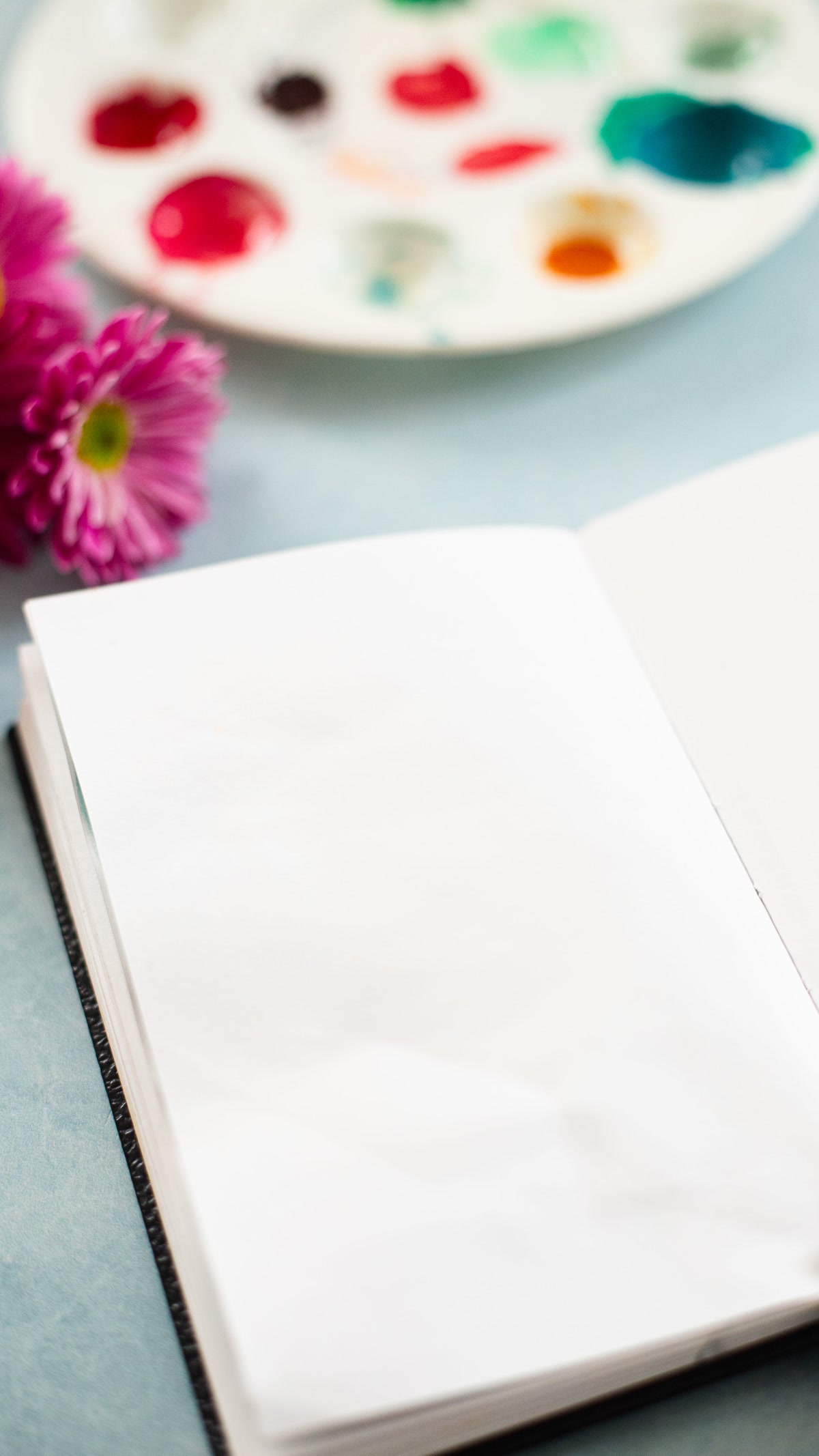
Coloring books have trained us to stay inside the lines. But what if the most relaxing thing you could do was draw the lines yourself? That is the premise of reverse coloring, a format that flips traditional coloring on its head. The page comes pre-painted with watercolor washes. Your job is not to fill in shapes but to draw outlines around them, turning abstract color into recognizable scenes, patterns, or pure abstract art.
Here is an excellent video walkthrough from Chloe Rose Art that tries a reverse coloring book for the first time and shows exactly how the process works, from pre-painted pages to finished artwork:
It sounds strange until you try it. Then it becomes addictive. Reverse coloring engages a completely different part of your brain than regular coloring, and for many people, it is even more relaxing. Here is everything you need to know to get started.
What Is Reverse Coloring?
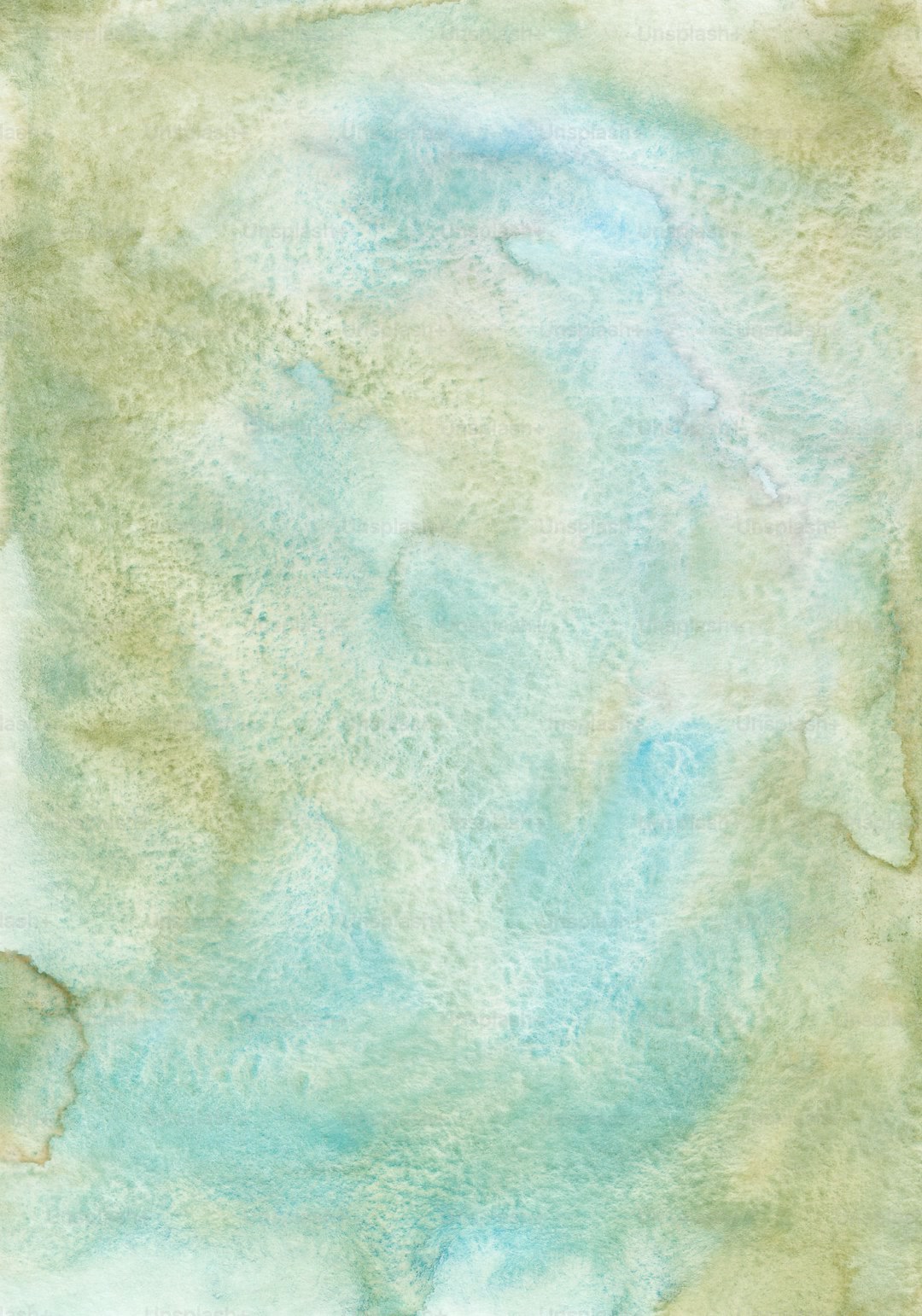
Reverse coloring was invented by artist Kendra Norton with her book The Reverse Coloring Book: The Book Has the Colors, You Draw the Lines. The concept is brilliantly simple: each page features a pre-painted watercolor background, washes of color with no outlines. You take a black pen and draw lines that define shapes, patterns, objects, or purely abstract designs on top of the color.
There are no wrong answers. You can draw a landscape that emerges from the watercolor shapes. You can draw geometric patterns over the color. You can draw doodles, zentangles, or organic shapes. The color is already there, you are just deciding how to frame it.
Why Reverse Coloring Feels Different
You Are Creating, Not Just Filling
Traditional coloring is essentially paint-by-numbers without the numbers, you fill in pre-defined spaces with color. It is relaxing, but it is not creative. You are executing someone else’s design.
Reverse coloring gives you actual creative agency. You decide what the lines look like. You decide where to draw a flower and where to draw an abstract swirl. This engages the creative parts of your brain in a way that regular coloring does not, which is both more stimulating and more satisfying. You finish a page feeling like you made something, not just colored something in.
No Staying Inside the Lines
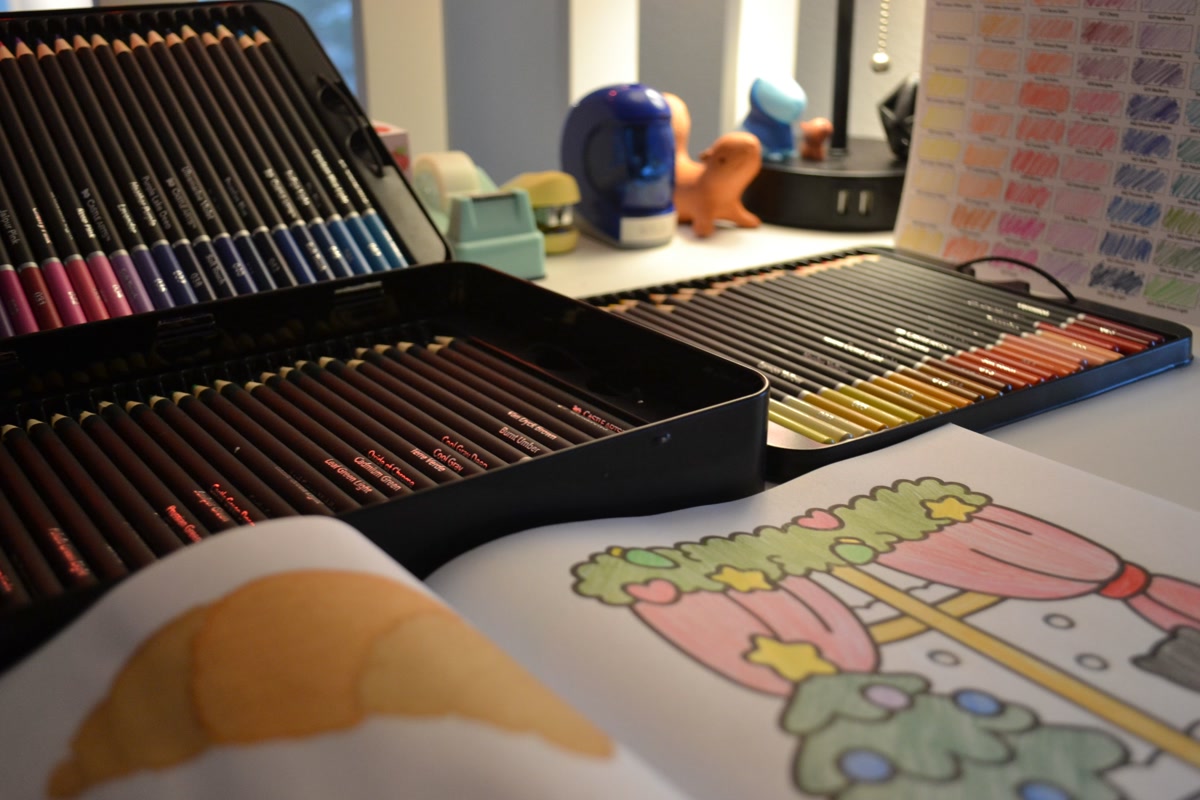
The most anxiety-inducing part of traditional coloring is the pressure to stay inside the lines. It is the first thing every colorist worries about, and it is the most common source of frustration. Reverse coloring eliminates this entirely because there are no lines to stay inside. You are drawing the lines. If a line goes somewhere you did not intend, you incorporate it into the design. Every mistake becomes a creative choice.
This makes reverse coloring especially good for perfectionists and people who feel anxious about making mistakes in regular coloring books. There is no way to do it wrong.
It Is More Meditative
Drawing lines is a slower, more deliberate act than coloring. When you fill in a section with colored pencil, your goal is to cover the area. When you draw a line, you are making a continuous, controlled motion that requires focus and presence. This puts you in a flow state faster and keeps you there longer.
The repetitive motion of drawing lines, curves, circles, patterns, is similar to the practice of zentangle or Structured doodling, which studies have shown reduces anxiety and improves focus. Reverse coloring combines that meditative line-drawing with the visual pleasure of working over beautiful watercolor backgrounds.
Choosing a Reverse Coloring Book
The Original: Kendra Norton
The original Reverse Coloring Book by Kendra Norton remains the best starting point. It features 40 pages of hand-painted watercolor washes in a variety of color palettes, some warm and sunny, some cool and moody, some vibrant and some muted. The paper is thick enough that your pen will not bleed through, and the pages are perforated so you can display your finished work.
If you get hooked, there is also a 3-book bundle that gives you 120 pages of watercolor backgrounds at a better per-page price.
For Nature Lovers
The Watercolor Wonders: A Reverse Coloring Book for Adults features watercolor backgrounds inspired by nature, forests, oceans, skies, and gardens. If you like drawing landscapes, plants, or animals over your color washes, this book gives you the perfect palettes for those subjects.
For Relaxation Focus
The Reverse Coloring Book for Adults: A Calming Escape features 40 watercolor designs specifically curated for relaxation, with softer, more muted color palettes that are easy on the eyes and conducive to a calm state of mind.
The Only Tool You Need: A Black Pen
Reverse coloring requires exactly one tool: a black pen. You do not need colored pencils, markers, or any other supplies. The color is already on the page, you just need something to draw lines with.
The Sakura Pigma Micron Black Ink Multi-tip Set (10-pack) is ideal. These archival fineliners come in multiple tip sizes, so you can use fine tips for delicate details and broader tips for bold outlines. The ink is waterproof and fade-resistant, meaning your lines will stay crisp and dark for years.
You can also experiment with other pens, gel pens, brush pens, or even fountain pens. Each pen type gives a different line quality, which is part of the fun. But if you are starting out, a set of Pigma Microns is all you need.
How to Reverse Color: Getting Started
Step 1: Study the Colors
Before you draw anything, look at the watercolor washes on the page. What shapes do you see in the color? Does that blue area look like a sky? Does that green patch look like a hill? Let the colors suggest the subject rather than forcing a subject onto the colors.
Step 2: Start With Light Lines
Draw very lightly at first. You can always go back and darken lines or add more detail. Starting light lets you experiment without commitment. If you draw a shape and do not like it, just leave it, it will become part of the background texture.
Step 3: Let Shapes Emerge Naturally
Do not try to draw a specific scene from the start. Instead, start drawing lines and let the scene emerge organically. A curve here might suggest a hill. A circle there might become a sun. A series of short lines might become grass or leaves. The joy of reverse coloring is in this process of discovery, you are not executing a plan, you are responding to what the colors give you.
Step 4: Add Patterns and Texture
Once you have some main shapes defined, fill in areas with patterns, dots, cross-hatching, swirls, parallel lines. This adds visual interest and turns a simple outline drawing into a rich, textured piece of art. Pattern sections are also the most meditative part of the process, the repetitive motion is deeply soothing.
Step 5: Step Back and Adjust
Every few minutes, step back and look at the whole page. You will see areas that feel finished and areas that need more work. Add lines where the page feels too empty. Leave areas alone where the watercolor is beautiful on its own. The goal is balance, not completeness, some of the best reverse coloring pages leave large areas of pure watercolor untouched.
Reverse Coloring vs Traditional Coloring
| Aspect | Reverse Coloring | Traditional Coloring |
|---|---|---|
| What you do | Draw lines over color | Fill in spaces with color |
| Creative control | Full, you design the image | Limited, you choose colors only |
| Mistakes | Impossible, every line is a choice | Possible, going outside lines |
| Supplies needed | One black pen | Multiple colored pencils or markers |
| Skill required | Basic drawing ability helps | None, just color inside lines |
| Best for | Creative expression, meditation, confidence | Relaxation, stress relief, beginners |
Reverse Coloring for Specific Goals
For Anxiety
Reverse coloring is particularly effective for anxiety because it occupies both your creative brain and your analytical brain simultaneously. You are making creative decisions (what to draw) while executing controlled motor movements (drawing lines), which leaves less mental bandwidth for anxious thoughts to intrude.
For Creative Confidence
If you have ever said “I cannot draw,” reverse coloring is the gentlest way to prove yourself wrong. The colors are already beautiful. Your lines just frame that beauty. Every finished page looks like art, which builds confidence in your ability to create, confidence that transfers to other creative pursuits.
For Evenings
Reverse coloring is ideal for evening sessions because it requires minimal setup and cleanup. One book, one pen, and a lamp. No pencil case, no sharpener, no color decisions. The slow, deliberate motion of drawing lines is naturally calming and pairs perfectly with a cup of tea and quiet music.
A Reverse Coloring Starter Kit
- The Reverse Coloring Book by Kendra Norton, the original and still the best
- Sakura Pigma Micron Black Multi-tip Set (10 pens), all the line weights you need
That is under 30 dollars for a creative practice that is part coloring, part drawing, part meditation, and entirely relaxing.
Bottom Line
Reverse coloring is the most innovative twist on adult coloring in years, and it might be the most relaxing thing you try all year. By flipping the formula, the page has the color, you draw the lines, it eliminates the pressure of staying inside the lines while giving you genuine creative agency over the result. Every page is a collaboration between the watercolor and your pen, and every result is uniquely yours.
If traditional coloring has started to feel repetitive, or if you have ever wanted to draw but felt you lacked the skill, reverse coloring is your bridge. One book. One pen. No rules. Just you, the colors, and the lines you choose to draw around them.
🎨 Get Your Free Stress Relief Coloring Guide
Join our newsletter and get this free printable plus weekly tips.