This article contains affiliate links. We may earn a commission from qualifying purchases.
Some content on this site is AI-assisted and reviewed by our editorial team.
<a href="https://coloredcalm.com/Coloring-for-anxiety-relief-the-science-and-practice-of-coloring-your-way-to-calm/”>Coloring With Arthritis: How to Keep Creating When Your Hands Hurt
If you love coloring but your hands ache every time you pick up a pencil, you are not alone. Arthritis, carpal tunnel, tendonitis, and general hand pain affect millions of adults, and many of them are colorists who refuse to give up the hobby they love.
The good news? With the right tools, a few simple adaptations, and some smart techniques, you can keep coloring comfortably for years to come. This guide covers everything from ergonomic pencils to pain-friendly techniques that let you create without paying for it the next morning.
Why Coloring Is Worth Fighting For (Even When It Hurts)
Coloring with arthritis is possible using thick-grip pencils, short sessions, compression gloves, and ergonomic setups that reduce hand strain while preserving the creative joy.
Before we get into the practical stuff, let’s talk about why this matters. Coloring is not just a hobby, for many people with arthritis and chronic pain, it is a lifeline. The repetitive, focused motion of coloring engages the same relaxation response as meditation. It lowers cortisol, reduces anxiety, and gives your hands something purposeful to do instead of focusing on pain signals.
Research published in art therapy journals shows that structured creative activities like coloring can improve fine motor function in people with rheumatoid arthritis and osteoarthritis. The gentle, controlled movements help maintain joint flexibility and hand strength, two things that arthritis actively works against.
In other words, coloring is not just something you do despite your arthritis. Done right, it is something that can actually help your hands.
Choosing the Right Tools When Your Hands Hurt
Thick-grip and triangular pencils, large-print coloring books, and gel pens require less pressure than standard pencils, making them the best tools for coloring with arthritis.
The single biggest factor in comfortable coloring with arthritis is your choice of tools. Standard colored pencils are thin, hard, and require significant pressure, exactly what painful hands do not need. Here is what to look for instead.
Thick and Triangular Pencils
Thick-grip pencils like STABILO Trio and Faber-Castell Jumbo reduce finger strain by distributing pressure across a larger surface, making them ideal for arthritic hands.
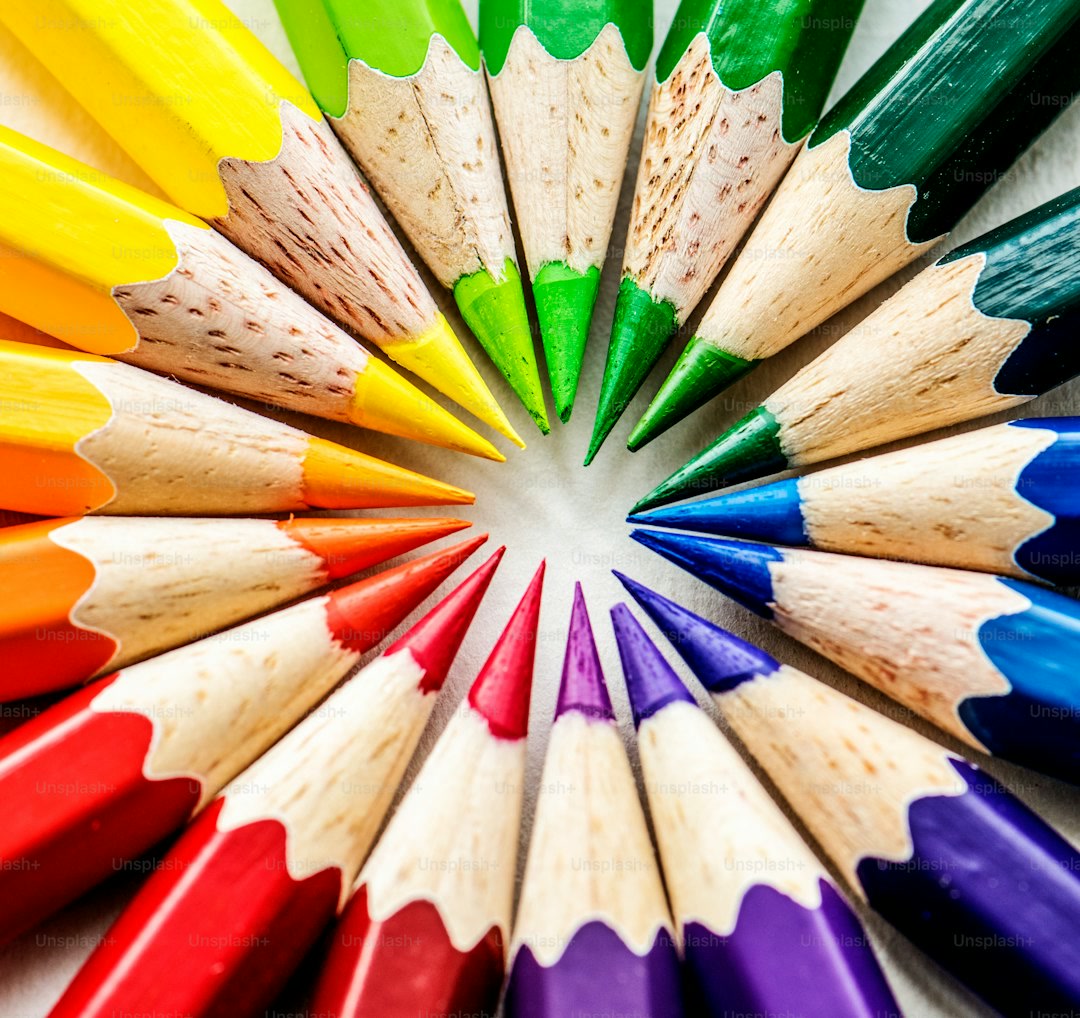
Thicker barrels mean less gripping pressure. Triangular shapes are even better because they naturally rest in your hand without requiring you to squeeze. Look for pencils marketed as “jumbo” or “triangular”, they are usually sold as children’s pencils, but there is nothing childish about using a tool that does not hurt your hands.
STABILO Trio thick pencils come in a triangular shape with a thick barrel that requires almost no pressure to grip. The 18-color set gives you plenty of options for most coloring pages, and the soft lead lays down color smoothly without forcing you to press hard.
Another excellent option is the Faber-Castell Jumbo Grip colored pencils. These have a thicker barrel than standard pencils with a soft, ergonomic grip zone. The 12-color set is a good starting point, and the thick core means less sharpening (which is also rough on arthritic hands).
Gel Pens and Markers as Alternatives
Gel pens and markers require less downward pressure than colored pencils, offering a comfortable alternative when gripping pencils becomes painful during coloring sessions.
If pencils are too painful even with ergonomic options, consider switching to gel pens or alcohol markers. Both require minimal pressure, you are essentially just dragging the tip across the page rather than pressing pigment into paper.
Gel pens are especially good because they come in hundreds of colors and the ink flows freely. Look for pens with thicker barrels, or add foam grips to thinner ones. Soft foam pencil grip sleeves can turn almost any pen or pencil into a thicker, more comfortable tool. A 60-piece set gives you plenty of grips for all your supplies.
Large-Print Coloring Books
Large-print coloring books with bigger designs and thicker lines require less precision, reducing hand fatigue and making coloring accessible when fine motor control is limited.
The designs you choose matter as much as the tools you hold. Intricate designs with tiny spaces force you to pinch your pencil tightly and make tiny, precise movements, the worst possible combination for arthritic hands.
Large-print coloring books feature simpler, bigger designs that let you color with broader strokes and looser grip. Easy Coloring Book: Large Print Designs for Adults and Seniors is specifically designed with this in mind, big, bold patterns that are satisfying to color without requiring fine motor precision.
Smart Techniques for Pain-Free Coloring
Color in short ten to fifteen minute sessions, use your whole arm instead of just fingers, wear compression gloves, and vary pressure to reduce joint strain while coloring.
Beyond your tools, how you color matters. These techniques can make a dramatic difference in how your hands feel during and after a Coloring Session.
Work in Short Sessions
Limit coloring sessions to ten to fifteen minutes with breaks in between, shorter sessions prevent joint stiffness and let you enjoy coloring without triggering flare-ups.
The most important rule: do not color for hours at a stretch. Twenty minutes is a good session length for most people with hand pain. Set a timer, color until it goes off, and then take a five-minute break to stretch your hands and fingers.
If twenty minutes is too long, start with ten. There is no minimum session length that “counts”, even five minutes of coloring gives you the mental health benefits, and your hands will thank you for keeping it short.
Use Your Whole Arm, Not Just Your Fingers
Move from the shoulder and elbow rather than the wrist and fingers, this distributes the workload to larger joints and reduces strain on arthritic hands during coloring.
Most people color by making tiny movements with their fingers and wrist. This puts all the strain on the small joints of the hand, exactly where arthritis does its damage. Instead, try to move from your elbow and shoulder. Keep your hand relatively still and use your larger arm muscles to guide the pencil.
This takes practice, but once you get used to it, it dramatically reduces hand fatigue. Think of it like painting on an easel rather than writing a letter, big, sweeping movements from the shoulder.
Try Compression Gloves
Compression gloves provide gentle pressure that reduces swelling and supports joints, making it easier to grip pencils and color for longer periods without hand pain.
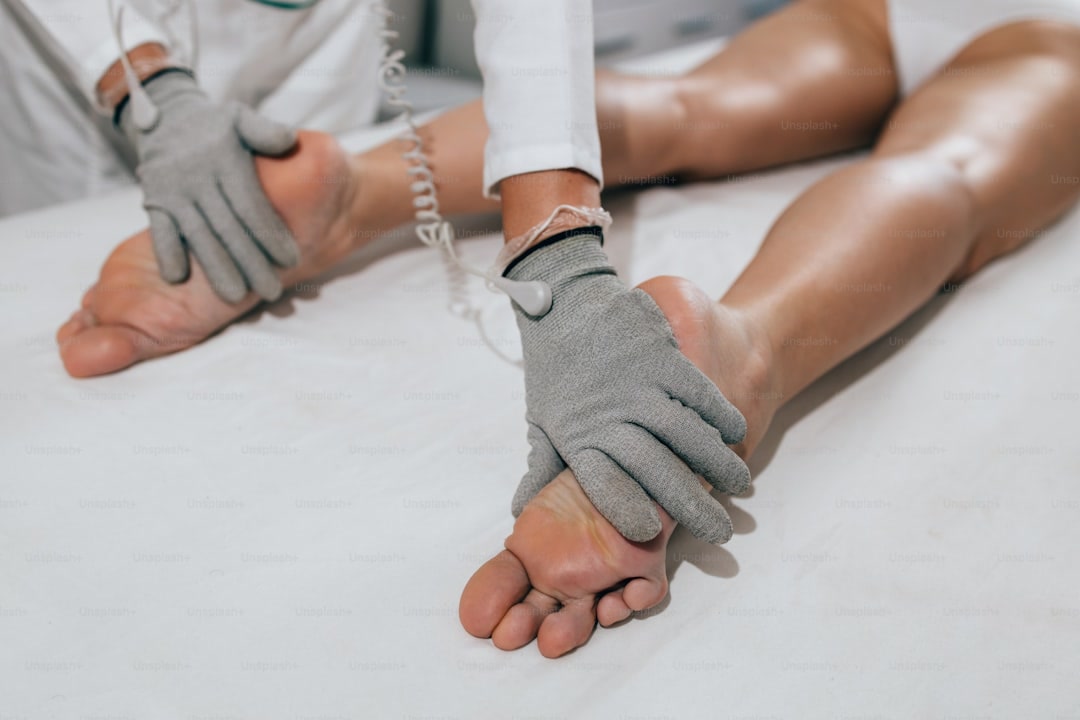
Many colorists with arthritis swear by lightweight compression gloves during coloring sessions. The gentle pressure provides joint support and improves circulation, which can reduce pain and stiffness. Copper compression arthritis gloves are a popular choice, they are fingerless, so you can still grip your pencils, and the compression is light enough for extended wear.
Vary Your Pressure
Alternate between light and firm pressure while coloring to avoid sustained grip tension, changing pressure gives your joints micro-breaks and prevents cramping.
You do not need to press hard to get vibrant color. With softer pencils (like the STABILO Trio or Faber-Castell Jumbo), light pressure lays down rich pigment. Experiment with building color gradually through multiple light layers rather than pressing hard in a single pass. This is not just easier on your hands, it also produces smoother, more professional-looking results.
The Tennis Ball Trick
Squeeze a tennis ball gently for thirty seconds before coloring to warm up hand muscles and joints, improving grip strength and reducing stiffness before you start.
This one sounds strange, but it works: poke your colored pencil through a tennis ball so the ball acts as a giant grip. You hold the tennis ball in your palm and guide the pencil without needing to pinch it with your fingers. This eliminates almost all small-joint strain. It is not elegant, but if you are having a bad hand day, it lets you keep coloring when nothing else works.
Setting Up a Hand-Friendly Coloring Space
Set up your coloring space at the right table height, use good lighting to reduce eye squinting, and warm your hands before starting to minimize joint stress.
Your environment plays a bigger role than you might think. A few adjustments can make coloring much easier on your hands.
Table Height and Angle
Use a table that sits at elbow height when seated, or try a tilted drawing board at 15 to 20 degrees, this position keeps your wrists neutral and reduces joint strain.
Color on a table that is the right height, your forearms should rest comfortably at roughly 90 degrees. If the table is too low, you will hunch forward and strain your wrists. If it is too high, you will be reaching up, which fatigues your shoulders and transfers tension down to your hands.
Better yet, use a slanted drawing board or lap desk. A slight angle (15 to 20 degrees) reduces the amount of wrist flexion needed to see your work, which means less strain on the carpal tunnel area.
Good Lighting
Position a daylight LED lamp directly on your coloring page, bright, even lighting reduces eye strain and the tendency to hunch forward, which aggravates neck and shoulder joints.
When you cannot see your coloring page clearly, you lean closer, hunch your shoulders, and grip your pencil tighter, all of which increase hand strain. A bright, adjustable desk lamp positioned directly over your work eliminates this. Look for a daylight-balanced LED lamp so colors render accurately and your eyes do not tire.
Warm Your Hands First
Soak your hands in warm water for two to three minutes or use a heating pad before coloring, warmth increases blood flow and joint flexibility, making gripping pencils easier.
Cold, stiff hands are painful hands. Before you start coloring, run warm water over your hands for a minute or two, or use a microwaveable hand warmer. Warm joints are more flexible and less sensitive to pressure. This simple step can add ten comfortable minutes to your coloring session.
A Simple Arthritis-Friendly Coloring Kit
An arthritis-friendly coloring kit includes thick-grip pencils, a large-print coloring book, compression gloves, a lap desk, and a tennis ball for hand warm-up exercises.
If you want to put together a starter kit that is gentle on your hands, here is what I recommend:
- STABILO Trio thick pencils (18-color set), triangular, thick, soft lead, minimal pressure needed
- Foam pencil grip sleeves, for any thinner pencils or pens you already own
- Easy Coloring Book: Large Print Designs, big patterns, no tiny spaces
- Copper compression gloves, fingerless support for your joints
- Faber-Castell Jumbo Grip pencils (12-color set), ergonomic alternative if you prefer traditional pencil shape
Total cost for the full kit is under 60 dollars, and every item is specifically chosen to minimize hand strain. You can start with just the STABILO pencils and the large-print book for under 30 dollars.
When to Take a Break
Stop coloring immediately if you feel sharp joint pain, numbness, or tingling, these signals mean your hands need rest, and pushing through risks worsening arthritis symptoms.
Listen to your hands. If coloring starts to hurt during the session, stop. Pushing through pain is not heroic, it leads to flare-ups that can take days to settle down. A sharp, sudden pain means stop immediately. A dull ache means you have maybe five more minutes before you should quit.
If you wake up with stiff, painful hands the morning after coloring, your session was too long or your grip was too tight. Reduce your time by five minutes next session and see if that helps. It is better to color for fifteen minutes every day than for an hour once a week and be unable to use your hands for two days afterward.
Bottom Line
Coloring with arthritis is achievable using thick-grip tools, short sessions, compression gloves, ergonomic positioning, and warm-up exercises that protect your hands while keeping creativity alive.
Arthritis does not have to end your coloring practice. The right tools, thick pencils, foam grips, large-print books, compression gloves, combined with short sessions and good technique can keep you creating comfortably for years. The mental health benefits of coloring are too valuable to give up, and with these adaptations, you do not have to.
Start small. Get one set of ergonomic pencils and one large-print book. Color for ten minutes. See how your hands feel. Adjust from there. Your coloring practice is worth preserving, and your hands deserve the care it takes to keep going.
🎨 Get Your Free Stress Relief Coloring Guide
Join our newsletter and get this free printable plus weekly tips.