This article contains affiliate links. We may earn a commission from qualifying purchases.
Some content on this site is AI-assisted and reviewed by our editorial team.
Derwent Chromaflow vs Prismacolor Premier: A New Challenger for the Crown
Derwent’s Chromaflow line is the newest challenger to Prismacolor Premier’s long reign as the go-to colored pencil for adult coloring. Launched as a modern alternative to Derwent’s ProColour line, Chromaflow promises the soft, blendable core that colorists love at a price that undercuts Prismacolor. But does it deliver, or is it just another student-grade pencil with premium marketing?
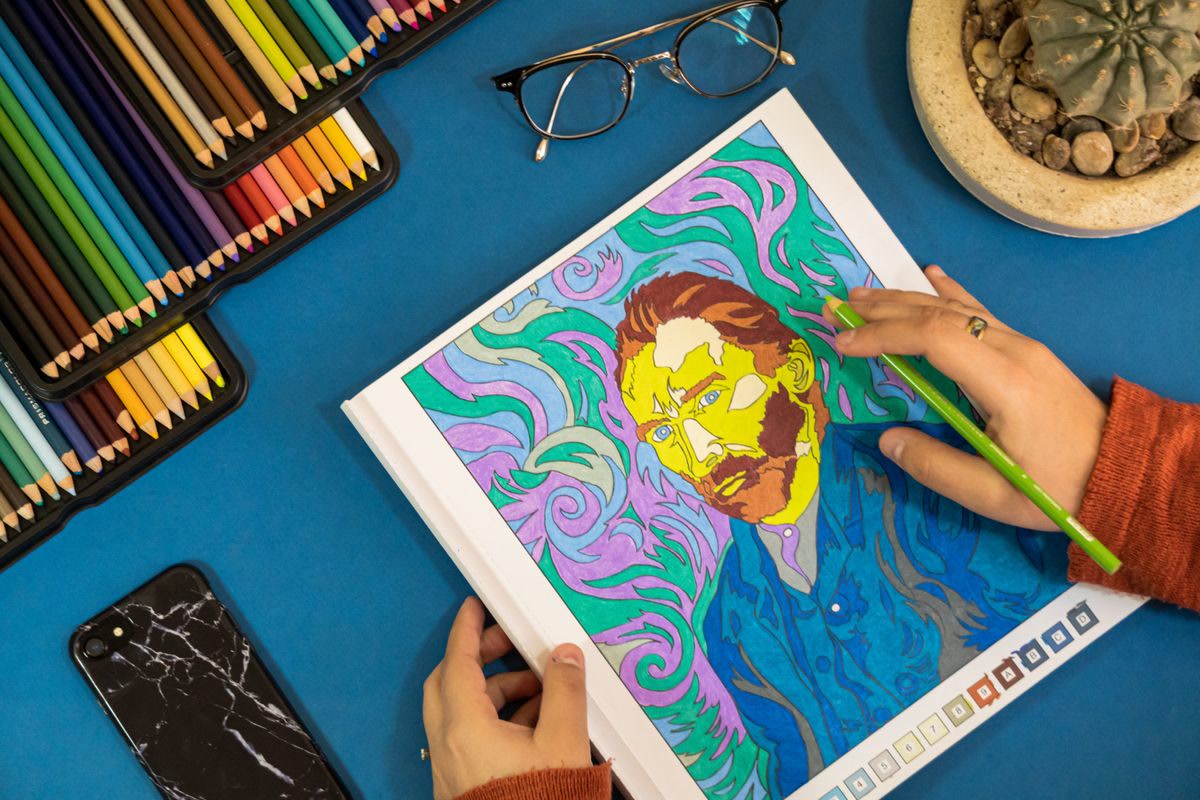
I tested the Derwent Chromaflow 72-color set against the Prismacolor Premier 72-color set across several coloring book pages, focusing on the things that matter most to adult colorists: blendability, pigment saturation, durability, and value.
The Quick Verdict
Chromaflow is a genuinely good pencil that competes with Premier on quality while beating it on durability and price. The cores are slightly harder than Premier, which means less breakage and sharper points, but also slightly less smooth blending. For colorists who are tired of Premier’s fragile cores, Chromaflow is the upgrade that trades a small amount of blendability for significantly better durability.
Blendability: Premier Still Wins, But Chromaflow Is Close
Prismacolor Premier remains the most blendable wax-based pencil on the market. The cores are so soft that layers dissolve into each other with minimal effort, creating seamless gradients that look painterly. A colorless blender pencil smooths transitions further, and the wax binder allows for burnishing that creates a glossy, saturated finish.
Chromaflow’s cores are soft but not quite as soft as Premier. The wax content is slightly lower, which means layers sit on top of each other a bit more rather than merging. You can achieve excellent blends with 3-4 layers and a blender pencil, but it takes slightly more effort than Premier.
For coloring book pages that rely on smooth gradients (skies, skin tones, floral petals), Premier has the edge. For designs with distinct color areas and less blending, the difference is negligible.
Pigment and Color Saturation
Both pencils lay down rich, saturated color with a single light pass. The Chromaflow pigments are slightly more transparent than Premier, which means the paper color shows through more on a single layer. This is not necessarily a drawback. Transparent pigments are valued in watercolor for their luminous quality, and the same effect works in colored pencil for creating depth and glow.
For opaque, full-coverage coloring, add a second layer. Chromaflow builds to full opacity with 2-3 layers, while Premier achieves it in 1-2. The difference is minor in practice.
The color range in the 72-color Chromaflow set covers the full spectrum with a good selection of earth tones, skin tones, and vibrant accent colors. Premier’s 72-color set has a similar range, though the specific shades differ. Neither set is notably better in color selection.
Durability: Chromaflow Wins Easily
This is where Chromaflow pulls ahead. The harder cores resist breakage far better than Premier. In my testing, I dropped pencils from desk height, sharpened aggressively, and applied heavy pressure. The Chromaflow cores survived all of it without internal breakage. Premier cores shattered inside the barrel twice during the same tests.
Premier’s fragility is well-known among serious colorists. Many users buy Premier sets knowing that several pencils will need replacement within the first few months. Chromaflow does not have this problem. The cores are durable enough for daily use without constant anxiety about breakage.
If you color on the go, transport your pencils frequently, or share supplies with family members, Chromaflow’s durability is a significant advantage.
Price: Chromaflow Undercuts Premier
Derwent Chromaflow 72-color set: Around $35-42
Prismacolor Premier 72-color set: Around $45-55
Chromaflow costs roughly $10-13 less than Premier for the same color count. That is a meaningful difference, about 20-25% savings. Over time, the durability advantage means fewer replacement pencils, which widens the gap further.
If budget is your primary concern, Chromaflow offers the best value among artist-grade wax-based pencils. You get 90% of Premier’s performance at 75% of the price, with better durability.
Sharpening and Point Retention
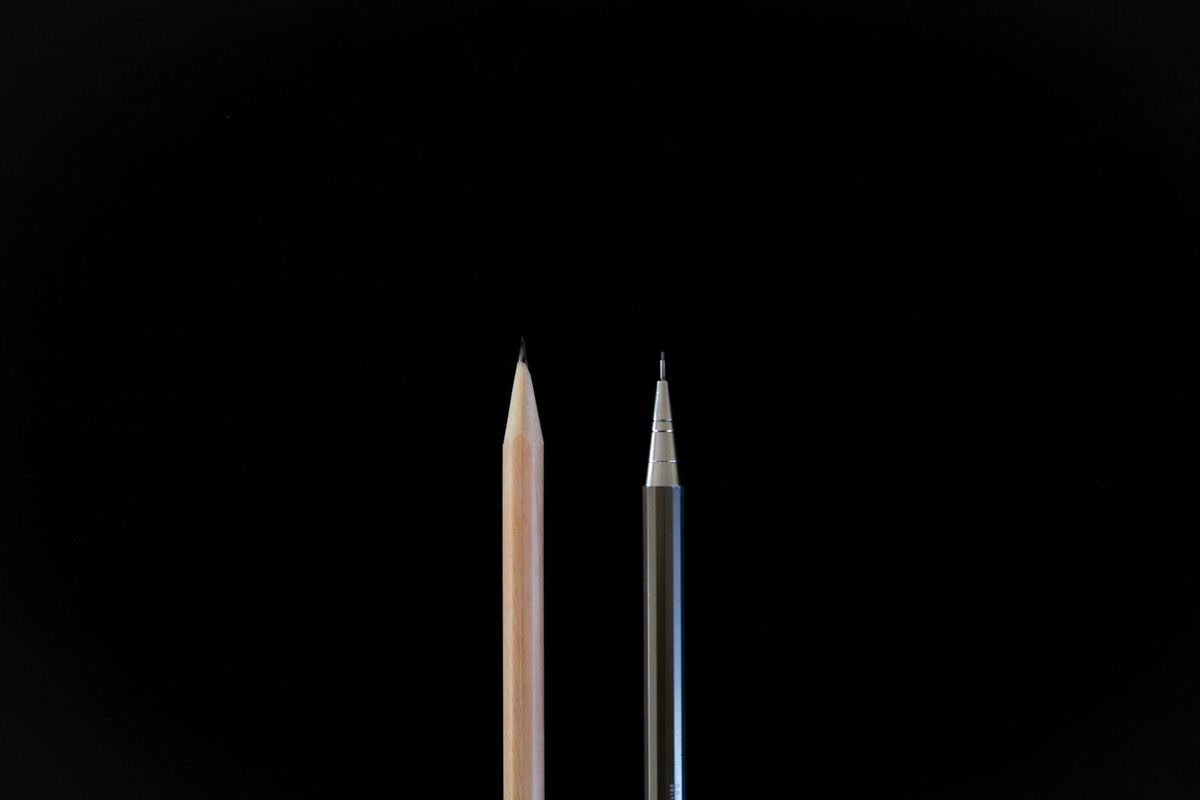
Chromaflow holds a sharp point longer than Premier, which is a direct result of the harder core. A fine point that lasts through 10-15 minutes of detailed coloring on Premier will last 20-25 minutes on Chromaflow before needing resharpening.
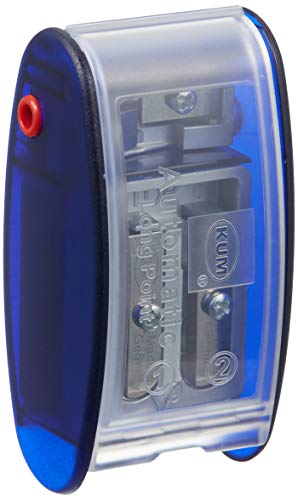
This matters for intricate coloring book designs with small details. Fewer sharpening interruptions mean more time coloring and less time maintaining your tools. Use a quality sharpener like the Kum long-point sharpener for the best results with either brand.
Which Should You Buy?
Choose Prismacolor Premier if: Blendability is your top priority. If you create smooth gradients frequently, burnish your work to a glossy finish, or want the softest possible core for layering, Premier remains the benchmark. Accept the fragility as the cost of maximum softness.
Prismacolor Premier 72-Color Set — around $45-55
Choose Derwent Chromaflow if: You want near-Premier blendability with better durability and lower cost. If you are tired of broken Premier cores, color on the go, or are buying your first artist-grade set, Chromaflow is the smarter investment.
Derwent Chromaflow 72-Color Set — around $35-42
Can You Use Both Together?
Yes. Both pencils use wax-based binders, so they are fully compatible on the same page. A common setup is to use Chromaflow for base layers and broad areas where durability matters, then switch to Premier for final blending and detail work where softness is key. This gives you the best of both brands without doubling your pencil count.
Love audiobooks? Get 3 months of Audible for just $0.95/month. Try Audible now
Read unlimited books? With Kindle Unlimited, read as much as you want from 4M+ titles, including thousands of coloring and art books. Try Kindle Unlimited FREE for 2 months
Bottom Line
Derwent Chromaflow is the first pencil in years that genuinely challenges Prismacolor Premier on quality. It does not quite match Premier’s blendability, but it comes close enough that most colorists will not notice the difference. Meanwhile, it beats Premier on durability, point retention, and price. For colorists buying their first artist-grade set or replacing a broken Premier set, Chromaflow is the smarter choice. For colorists who prioritize maximum blendability above all else, Premier still holds the crown.
Disclosure: As an Amazon Associate, ColoredCalm earns from qualifying purchases. This post contains affiliate links, which means we may earn a commission if you click through and make a purchase, at no additional cost to you.
🎨 Get Your Free Stress Relief Coloring Guide
Join our newsletter and get this free printable plus weekly tips.
Price Check
Prices verified via our product tracker. Updated Sep 27.
| Amazon.com: AS2M (1053121), Long Point Sharpener, sharpens | $8.14 | 4.6★ (2,983) |
| Amazon.com : Prismacolor Premier Colored Pencils, Soft Cor | $74.99 | 4.8★ (29,632) |
| Amazon.com : Derwent Chromaflow Pencils, Set of 150 in Tin | $149.99 | 4.5★ (3,059) |
As an Amazon Associate we earn from qualifying purchases.