You’re Standing in the Art Supply Aisle, Frozen
Markers or pencils? It’s the first real decision every new colorist faces, and somehow every article about it reads like it was written by someone who’s never actually colored a page in their life.
Here’s the truth: there’s no universal right answer. But there is a right answer for you — based on what you’re coloring, how you like to work, and whether you care more about bold color or peaceful layering.
I’ve used both extensively. Here’s the real breakdown.
The Short Version
Go with colored pencils if you want:
– Control, blending, and detail
– A meditative, slow-burn experience
– No bleed-through worries
– To work on both sides of a page
Go with markers if you want:
– Bold, vibrant, saturated color
– Fast coverage (fill large areas quickly)
– A smooth, paint-like finish
– Bold results that pop off the page
Go with both if you want:
– The best of both worlds (markers for backgrounds, pencils for details)
– The most versatile coloring setup
That’s the 30-second answer. The rest of this guide explains why — and helps you figure out which side you land on.
Coverage: How Fast Can You Fill a Page?
Markers win for speed. A decent alcohol marker covers a page in a fraction of the time it takes to layer colored pencils. If you’re coloring a page with big open areas — landscapes, large mandalas, abstract designs — markers will save you serious time.
Colored pencils win for patience. They require building up layers, which takes longer but creates depth that markers simply can’t match. A sunset done in colored pencils with 5-6 layers has a luminosity that a single-pass marker fill never achieves.
Verdict: If you want fast results, markers. If you enjoy the process as much as the result, pencils.
Blending: Which Medium Mixes Better?
The Prismacolor Premier 72-Color Set is the gold standard for pencil blending — soft wax cores that layer and blend beautifully.
This is where the two diverge dramatically.
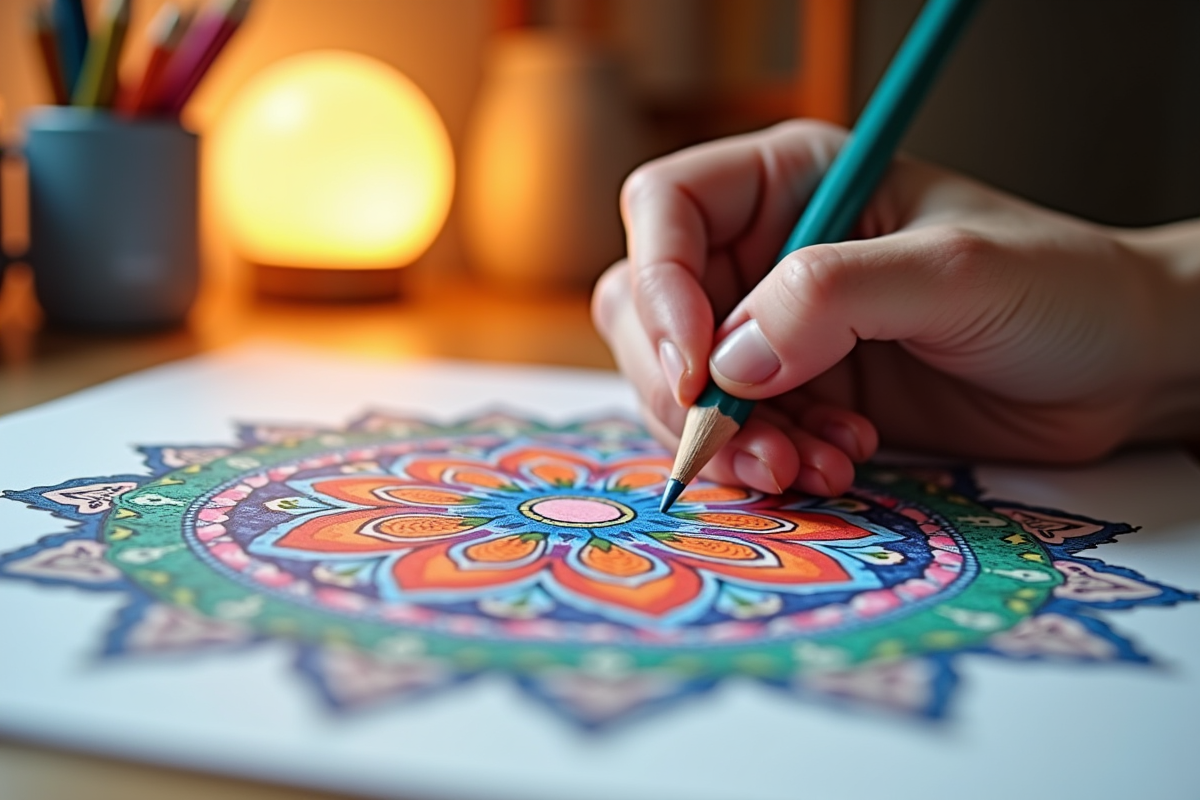
Colored pencils blend by layering. You put down a light base, add a mid-tone, then a dark, and the colors mix optically. With a colorless blender pencil or a bit of solvent (like odorless mineral spirits), you can get butter-smooth transitions that look like watercolor. This takes practice, but the ceiling is incredibly high.
Alcohol markers blend while wet. You lay down two colors next to each other and they melt together at the edges. It’s faster and more forgiving than pencil blending — but you need a color chart and you need to work quickly before the ink dries. Once it’s dry, it’s done. No going back.
Water-based markers barely blend at all. If you’re using Crayola or basic craft markers, blending is essentially not happening. They’re fine for flat color but don’t expect smooth transitions.
Verdict: Colored pencils give you more control and a higher blending ceiling. Alcohol markers are faster and more intuitive for simple blends. Water-based markers — don’t bother blending.
Bleed-Through: The Silent Page Killer
If bleed-through worries you, stick with pencils — Prismacolor Premier colored pencils never bleed through even thin paper.
This is the biggest practical difference and the one that catches beginners off guard.
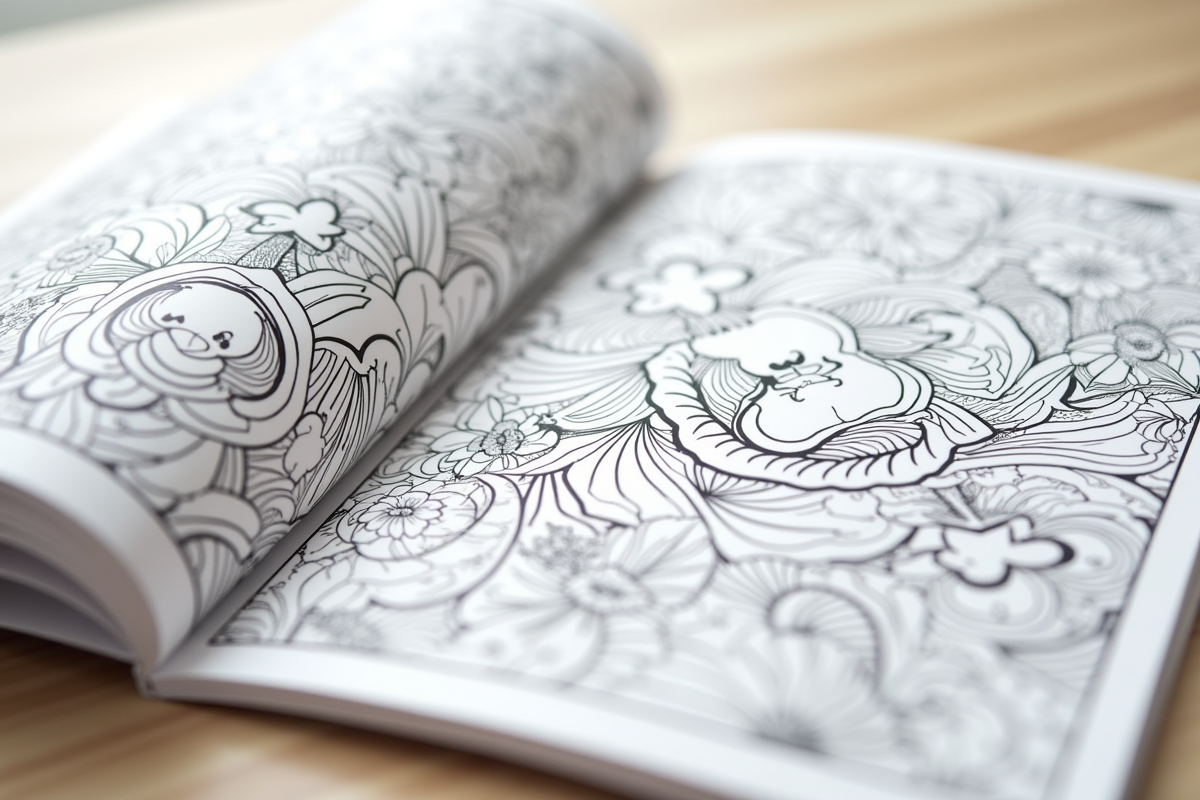
Colored pencils never bleed through. Even with heavy pressure on thin paper, you might get a slight indentation on the back, but the next page is perfectly clean. This means you can use both sides of a coloring book page, which effectively doubles the value of your book.
Alcohol markers bleed through almost everything. Even thick cardstock. Even marker paper (they’ll ghost on the back). If you use alcohol markers in a standard coloring book, you will see the color on the reverse side. This means:
– You can only use one side of each page
– You need a bleed-proof backing sheet (or the marker will ruin the page beneath it)
– Some coloring books are not marker-friendly at all
Water-based markers are less likely to bleed through, but on thin paper they absolutely can. Test on a blank page first.
Verdict: This alone makes colored pencils the safer choice for coloring books. If you use markers, accept that you’re getting half the pages.
Vibrancy: Which Looks Better on the Page?
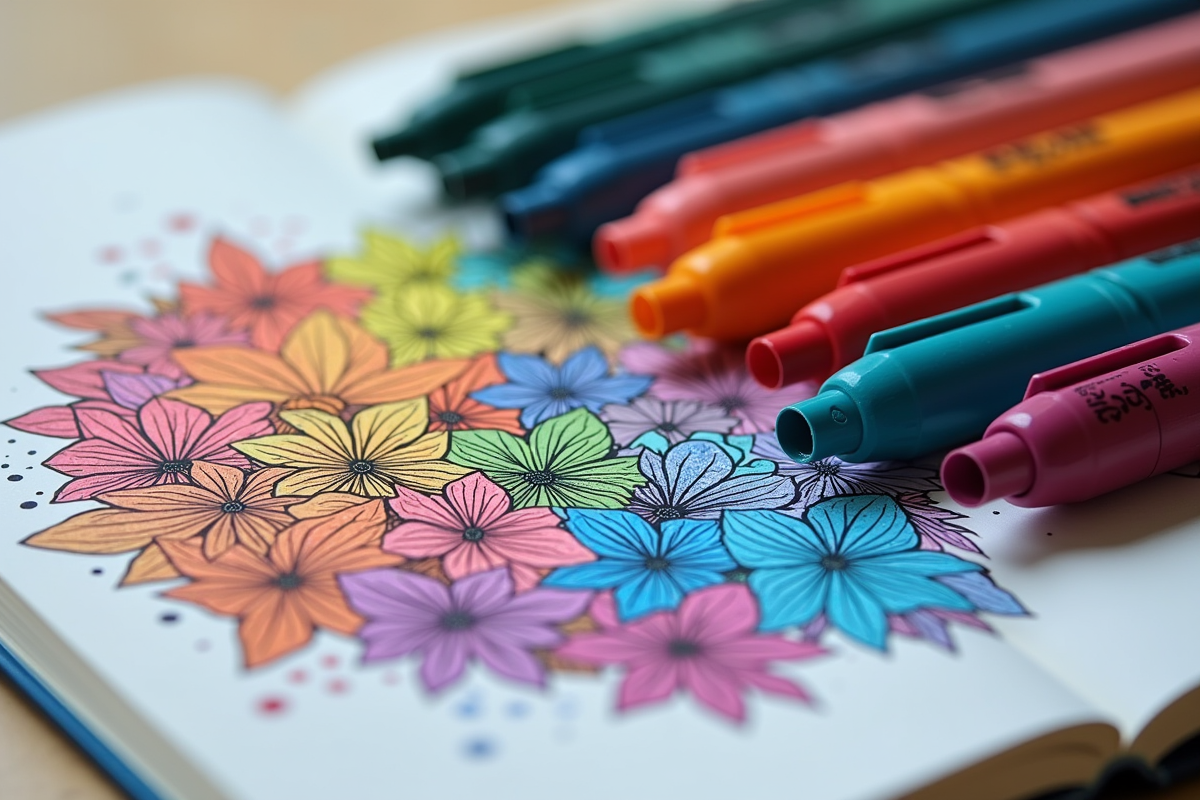
Markers win on pure color impact. A well-inked alcohol marker page looks like a stained glass window — vivid, saturated, glowing. Colored pencils, even at their best, have a softer, more matte quality.
But vibrancy isn’t everything. Soft, muted color has its own appeal, especially for nature scenes, portraits, and anything where subtlety matters. The gentle powdery look of colored pencil is part of its charm.
Verdict: Markers for bold. Pencils for nuance. Both are beautiful in different ways.
Detail Work: Which Handles Tiny Spaces?
For detail work, the Kum Long Point Sharpener keeps your pencil tips needle-fine for intricate spaces.
Colored pencils are the undisputed king of detail. A sharp pencil tip can fill a 2mm space with precision. You can add individual scales on a fish, texture on a leaf, or subtle shadow in a petal — things that are simply impossible with a marker tip.
Markers have fine tips (usually 0.5mm or smaller on the bullet end), but they still deposit a wet dot of ink that wants to spread. In tight spaces, you’ll get feathering and overflow. It’s manageable but limiting.
Verdict: If your coloring books have intricate designs (Johanna Basford, Mythographic), pencils are the clear winner. If your books have larger, bolder designs, markers work fine.
Cost: What’s the Real Price Difference?
Let’s be honest — both can get expensive. But the starting points are different.
Entry-level colored pencils: Crayola 50-count runs about $8. Arteza 72-color is around $20. That’s enough to start coloring immediately and get decent results.
Entry-level alcohol markers: A basic set of 12 Ohuhu markers is about $15. But 12 colors is very limiting — you’ll need blending sets and grays to get real variety. A usable starter kit is more like 36-48 markers ($30-60).
The real cost trap with markers is replacement. Individual markers dry out, get damaged tips, or run out of ink. Refills exist for some brands but add ongoing cost. Colored pencils just… get shorter.
Verdict: Colored pencils are cheaper to start and cheaper to maintain. Markers have a higher entry cost and ongoing consumable costs.
The Mindfulness Factor
This matters more than people think. Coloring is supposed to be relaxing — so which medium is actually more calming?
Colored pencils encourage slowness. The layering process forces you to slow down. Each stroke is deliberate. You build color gradually, like meditation in motion. The repetitive motion of layering is genuinely therapeutic — it occupies your hands and your attention without demanding complex decisions.
Markers are more immediate. You make a stroke and the color is there. It’s satisfying and fast, but it can feel more like completing a task than entering a flow state. For some people, that immediacy is exactly what they need — they want visible progress, not a slow build.
Verdict: Both can be mindful. Pencils lean meditative. Markers lean expressive. Choose based on how you want to feel.
Can You Use Both? (Yes, and You Should)
The best coloring pages often use both mediums together. Here’s how:
Markers first, pencils second. Lay down your base colors with markers for fast, even coverage. Then add detail, texture, and shading with colored pencils on top. The pencil grips the marker ink surprisingly well.
Markers for backgrounds, pencils for subjects. Color the sky, grass, or abstract backgrounds with markers for that bold, saturated look. Then switch to pencils for the intricate foreground elements where detail matters.
Pencils for shadows and depth over marker bases. A light gray or dark brown pencil over a marker fill creates instant dimension that markers alone can’t achieve.
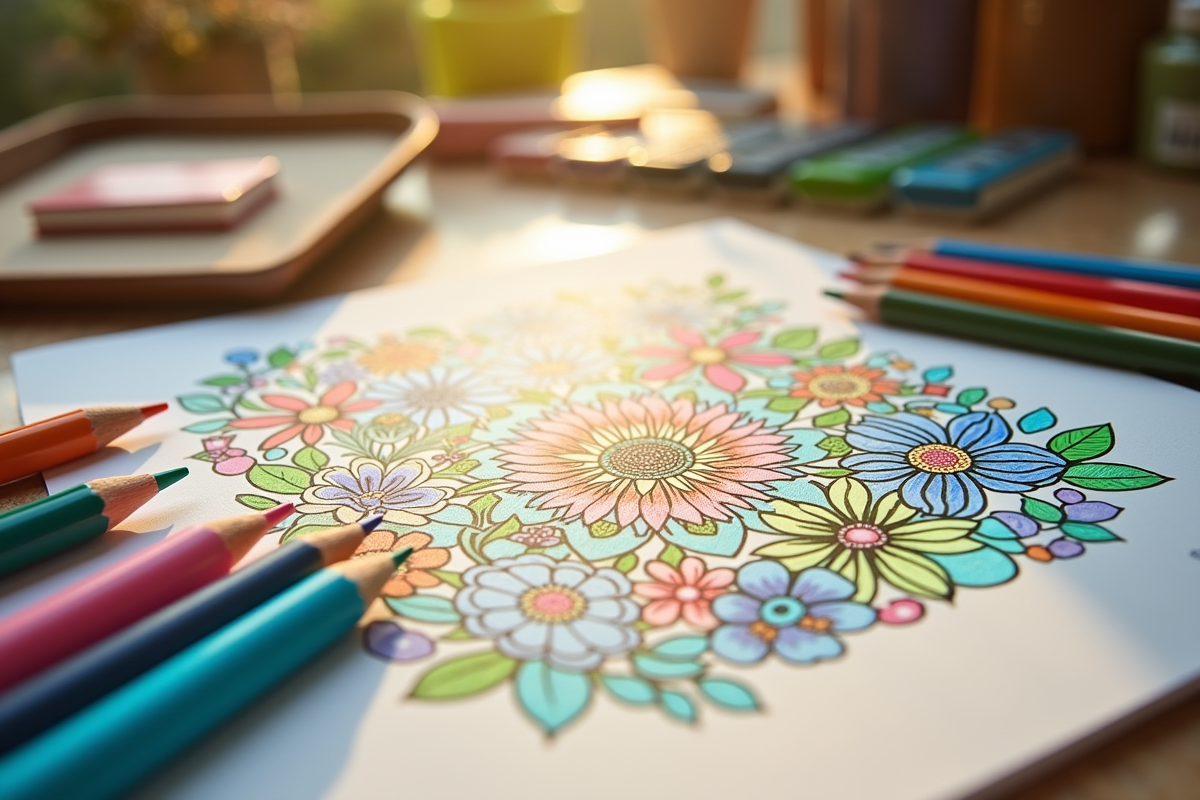
This combo approach gives you the vibrancy of markers and the detail of pencils. It does require books with thicker paper — but if you’re already bleeding through with markers, you’re only using one side anyway.
Paper Matters More Than You Think
Your coloring book’s paper determines what works:
- Thin paper (standard mass-market books): Colored pencils only. Markers will bleed through and may even tear the page.
- Medium paper (most “premium” coloring books): Colored pencils work great. Water-based markers might work. Alcohol markers will bleed through.
- Thick paper/cardstock (artist-grade books): Both work. Alcohol markers may still ghost on the back but won’t fully bleed.
Pro tip: If you love markers, look for single-sided coloring books or books printed on cardstock. They exist, and they’re worth the extra cost.
Quick Decision Guide
Still not sure? Answer these:
1. What do you color most?
– Intricate/detailed designs → Colored pencils
– Bold/large designs → Markers
– Mix of both → Both
2. How do you want to feel while coloring?
– Calm, methodical, meditative → Colored pencils
– Bold, creative, expressive → Markers
– Depends on my mood → Both
3. What’s your budget?
– Under $20 to start → Colored pencils
– Can spend $40-60 → Either works
– No limit → Both (obviously)
4. How much does bleed-through bother you?
– A lot → Colored pencils
– Not at all (I use backing sheets) → Markers
– I only use one-sided books → Markers are fine
Shop This Guide
- Prismacolor Premier 72-Color Set
- Kum Automatic Long Point Sharpener
- Kneaded Eraser
- Arteza Professional 72-Color Set
- Prismacolor Colorless Blender
Final Thoughts
Markers and colored pencils aren’t competitors — they’re teammates. The best colorists use both, choosing the right tool for each section of the page.
But if you’re just starting out and can only pick one: go with colored pencils. They’re more forgiving, cheaper to start, work in any book, and the learning curve rewards practice. Once you’re comfortable, add markers to your toolkit for backgrounds and bold coverage.
The right answer isn’t markers or pencils. It’s markers then pencils.
Happy coloring. 🎨