Coloring as Self-Care: Building a Practice That Nourishes You
Self-care has become one of those words that’s been stretched so thin it barely means anything anymore. Buy a bath bomb. Light a candle. You deserve it, queen. Meanwhile, you’re exhausted, anxious, and running on fumes — and a lavender-scented candle isn’t going to fix that.
Real self-care isn’t about buying things. It’s about regularly doing something that genuinely restores you — something that fills the tank instead of just changing the gauge. Coloring, when approached intentionally, can be exactly that.
This guide is about building a coloring practice that works as real self-care: not performative wellness, not another obligation to feel guilty about skipping, but a genuine act of self-nourishment that you actually look forward to.
Why Coloring Counts as Self-Care
Self-care doesn’t have to look like a spa day or a meditation retreat. At its core, self-care is any deliberate activity that protects or restores your physical, mental, or emotional well-being. Coloring qualifies — and here’s why it might work better than the obvious alternatives.
It’s Accessible
You don’t need a gym membership, a therapist’s appointment, or a weekend retreat. A coloring book and a set of pencils cost less than a single session of most wellness activities. You can do it anywhere — at your kitchen table, on your couch, even in a coffee shop. No commute, no scheduling, no barrier to entry.
It’s Low Demand
Many self-care activities require energy you might not have when you need self-care the most. Exercise? Too tired. Social connection? Too drained. Journaling? Can’t organize my thoughts. Coloring meets you where you are. You don’t need to be motivated, articulate, or energetic. You just need to open a book and pick up a pencil.
It’s Process-Oriented, Not Outcome-Oriented
One of the biggest problems with how we approach self-care is that we turn it into another performance. Exercise becomes about hitting a step goal. Meditation becomes about clearing your mind (which is not how meditation works, but that’s a different article). Even “relaxing” hobbies become about producing something shareable.
Coloring strips that away. Nobody’s grading your coloring. You’re not building a portfolio. The finished page goes into a book that sits on a shelf — and that quiet, private quality is exactly what makes it restorative. It’s for you and no one else.
For more on why process matters more than outcome, see our guide on coloring for mindfulness.
It Activates Your Parasympathetic Nervous System
When you’re stressed, your sympathetic nervous system runs the show — fight-or-flight mode, elevated cortisol, racing thoughts, tense muscles. Coloring activates the parasympathetic nervous system (your “rest and digest” mode) through a combination of repetitive motion, visual focus, and reduced cognitive demand.
Research published in Art Therapy found that 20 minutes of structured coloring reduced cortisol levels more effectively than 20 minutes of reading. Your body physically calms down while you color. That’s not wellness branding — that’s neurology.
Building Your Coloring Self-Care Practice
Step 1: Create Your Space
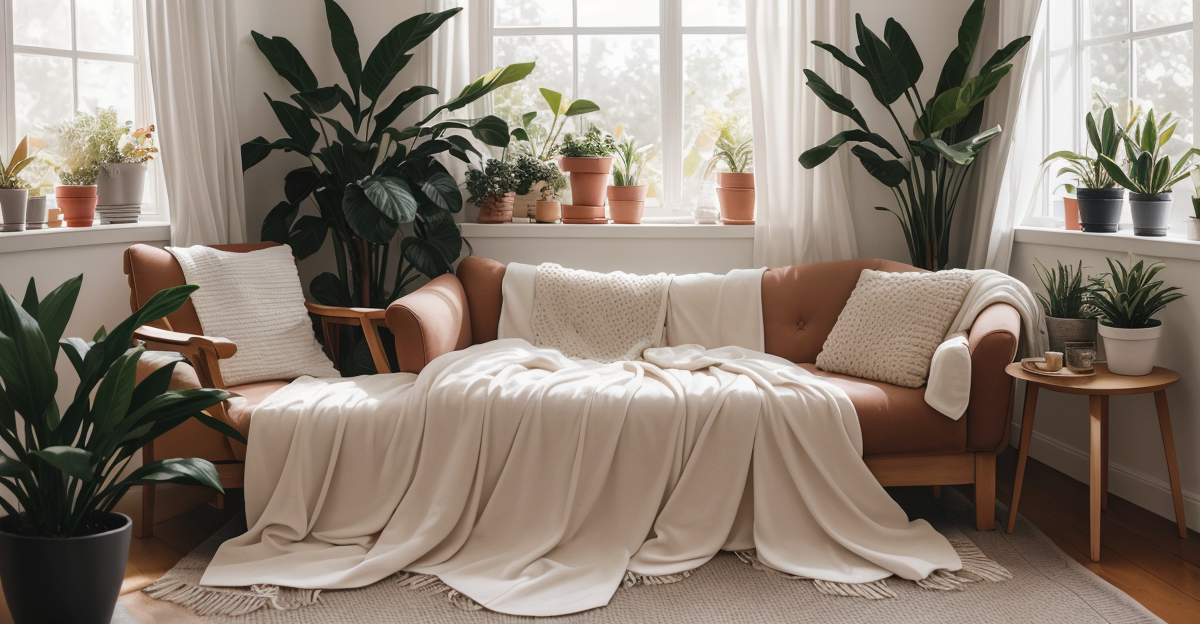
You don’t need a dedicated art studio. But you do need a space that signals to your brain: “This is different from work/chores/obligations.” Even a small corner of a table works if it’s consistently yours.
What to set up:
- A permanent coloring station — Leave your book and pencils out where you can see them. If you have to dig through a closet to find your supplies, you won’t do it. Visibility matters. For tips on setting up your workspace, check our guide to organizing your coloring supplies.
- Good lighting — A small desk lamp or daylight bulb reduces eye strain and makes the experience more pleasant. Harsh overhead lighting makes everything feel like a task.
- Comfort — A cushion on your chair, a blanket on your lap, whatever makes your body feel taken care of. Physical comfort isn’t frivolous — it’s part of the practice.
Step 2: Pick Your Ritual
Self-care works best when it’s ritualized — not rigidly scheduled, but given a consistent place in your day so it becomes automatic rather than optional.
Try one of these anchoring patterns:
Morning Pages (But Coloring) — Before you check your phone, before you look at email, sit down and color for 10 minutes. This starts your day with something that’s purely for you — not reactive, not productive, just present.
The Post-Work Transition — When you finish work, don’t immediately move to chores or screens. Take 15 minutes to color. This creates a boundary between “work mode” and “life mode” that many people desperately need.
The Sunday Reset — One longer session (30-45 minutes) at the end of the week. Review the week through the lens of what you colored — which pages you chose, what colors you gravitated toward. It becomes a low-pressure emotional check-in.
Step 3: Choose Books That Match Your Emotional State
This is where coloring as self-care goes from “something to do” to “something that meets a need.” Different emotional states need different types of coloring.
When you’re anxious or overwhelmed:
– Choose simple, repeating patterns (mandalas, geometric designs)
– Use familiar colors — reach for the pencils you always use
– Stick to pages you’ve already started (removes the decision burden)
When you’re sad or depleted:
– Choose nature scenes — flowers, gardens, underwater worlds
– Use warm, vibrant colors (oranges, yellows, pinks) to counteract emotional flatness
– Start a new page — the act of beginning something can be gently energizing
When you’re angry or frustrated:
– Choose detailed, intricate designs that require focus
– Use bold, saturated colors — let the intensity out through your pencil
– Press harder than usual — the physical release is part of the process
When you’re restless or bored:
– Choose a page with lots of small sections
– Use colors you rarely reach for — challenge your usual patterns
– Try a different technique: cross-hatching, color layering, or gradient fills
For a deeper dive into matching your coloring to your mood, see our guide on choosing a coloring book for your mood.
Step 4: Add Intentional Self-Compassion
This is the step most people skip, and it’s the one that matters most. Coloring becomes self-care — not just an activity — when you bring a specific quality of attention to it.
Before you start coloring, take 30 seconds to check in with yourself:
– What am I feeling right now?
– What does my body need?
– What color am I drawn to?
While you’re coloring, practice:
– Noticing without judging (“I went outside the lines” → observed, not “I messed up”)
– Letting your choices be valid (you picked orange for the sky? That’s fine. The sky can be orange.)
– Staying with discomfort (if a feeling comes up while you’re coloring, let it be there without fixing it)
After you finish, acknowledge:
– You took time for yourself
– You did something restorative
– That’s enough. You’re enough.
This isn’t therapy. But it is a form of self-compassion practice — and research consistently shows that self-compassion is one of the strongest predictors of emotional well-being.
The Self-Care Coloring Kit
You don’t need much. But having the right supplies makes the experience feel special instead of makeshift — and that matters, because “special” signals “this is for me” to your brain.
Essentials
Prismacolor Premier Colored Pencils — Soft, smooth, and rich. These feel good to use, and the physical pleasure of a smooth pencil on good paper is part of the self-care experience. When the tool feels good, the practice feels good.
Kum Long Point Sharpener — A sharp pencil is a satisfying pencil. The Kum sharpener gives you a long, precise point that makes coloring feel deliberate and cared-for. See our pencil sharpener guide for why this matters.
Kneaded Eraser — Not for fixing mistakes (there are no mistakes in self-care coloring). But a kneaded eraser is soothing to knead and shape while you’re thinking about what to color next. It’s like a fidget tool that lives in your art kit.
Books That Work for Self-Care
The Mindfulness Coloring Book — Specifically designed for meditative, self-care coloring. Simpler designs that don’t overwhelm. Perfect for days when your capacity is low.
Secret Garden by Johanna Basford — The original bestseller for a reason. Beautiful, detailed nature designs that feel immersive without being stressful.
Enchanted Forest by Johanna Basford — Slightly more whimsical than Secret Garden. Good when you want to feel transported rather than just calmed.
World of Flowers by Johanna Basford — Floral designs with enough variety to match different moods. Some pages are simple, others intricate — you can choose based on your energy level.
Worlds of Wonder — Imaginative, detailed scenes that reward longer sessions. Great for a Sunday Reset practice.
For more book recommendations, check our best adult coloring books for 2026 and best coloring books for beginners.
When Self-Care Feels Like Another Chore
This is the irony of self-care culture: the pressure to practice self-care can become another source of stress. If you find yourself feeling guilty about not coloring, dreading your “self-care time,” or pushing yourself to color when you genuinely don’t want to — stop.
Self-care coloring is optional. That’s the point.
If it becomes another should on your to-do list, it’s lost its purpose. Try these adjustments:
- Shorten your sessions — 5 minutes is fine. Even 2 minutes of picking up a pencil and choosing a color is enough.
- Skip days — Rest from your rest. Not everything has to be a habit.
- Change the activity — If coloring isn’t hitting the spot right now, it’s not a failure. Put the book away and try something else. Come back when it calls to you.
- Examine the resistance — If you consistently avoid your coloring practice, ask why. Is the space uncomfortable? Are the books too complex? Is the practice feeling like an obligation? Fix the obstacle, don’t force the behavior.
For more on making coloring feel good rather than forced, see our guide on how to start a coloring hobby.
Coloring Self-Care for Specific Situations
When You’re Grieving
Grief scrambles your ability to focus and saps your energy for complex tasks. Coloring gives you something to do with your hands and a small, manageable structure when everything else feels chaotic. Choose simple designs. Use whatever colors feel right — even if that’s all gray, all black, or nothing at all. The act of sitting down with the book is the self-care, not the result.
When You’re Burned Out
Burnout makes everything feel like too much effort. Skip intricate designs entirely. Go for broad, simple shapes that you can fill in quickly with minimal decision-making. Use markers or gel pens instead of pencils — they cover more area with less effort. See our gel pen guide for recommendations.
When You’re Lonely
Coloring is usually solitary, but it doesn’t have to be. Coloring alongside someone — even in silence — can be deeply connecting. Invite a friend over, go to a café, or join an online coloring group. The shared activity provides connection without the pressure of conversation.
When You’re in Therapy
If you’re working with a therapist, coloring can be a powerful between-session practice. Use your coloring time to process what came up in therapy, practice skills you’re developing, or simply decompress from emotionally heavy work. Some therapists even use coloring as an in-session tool. Ask yours if they’re open to it.
For more on the therapeutic benefits of coloring, see our guides on coloring for anxiety and coloring vs meditation.
The Science of Why This Works
If you’re skeptical that coloring can be genuine self-care, here’s the neurology in brief:
1. Cortisol reduction. Structured coloring has been shown to lower cortisol levels within 20 minutes. Cortisol is your primary stress hormone — when it drops, your body shifts out of threat mode and into repair mode.
2. Default Mode Network regulation. The DMN is the brain network active during mind-wandering and rumination. Overactive DMN is associated with depression and anxiety. Coloring gently engages the DMN without letting it spiral into negative thought loops.
3. Flow state access. Coloring can trigger a mild flow state — the psychological state of being fully absorbed in an activity. Flow is associated with increased well-being, reduced anxiety, and a sense of competence.
4. Tactile grounding. The physical sensation of pencil on paper provides sensory grounding — a technique used in anxiety treatment to help people stay present rather than dissociating or spiraling into worry.
For a deeper dive into the science, see our coloring and stress reduction guide.
Your 7-Day Self-Care Coloring Challenge
If you want to test whether coloring works as self-care for you, try this:
Day 1: Color for 5 minutes. Don’t think about it — just open a book and start.
Day 2: Before coloring, ask yourself: “What color do I need right now?” Use that color, even if it doesn’t “match.”
Day 3: Color in silence. No music, no podcast, no background TV. Just you and the page.
Day 4: Color with your non-dominant hand for one section. It’s awkward and imperfect — and that’s the point.
Day 5: After coloring, write one sentence about how you feel. Not a journal entry. Just one sentence.
Day 6: Color the same page you colored on Day 1, but use completely different colors. Notice what changes.
Day 7: Reflect. Did any of these days feel restorative? Which ones? What made the difference?
No grades. No right answers. Just data about what works for you.
The Bottom Line
Coloring as self-care isn’t about being artistic. It’s not about producing something beautiful. It’s about taking 15 minutes to be present with yourself, in your body, doing something that asks nothing of you except that you show up.
That’s real self-care. Not the Instagram version. The quiet, private, actually-helpful version.
Start with a book and a handful of pencils. Find a corner that’s yours. Give it five minutes. See what happens.