You Keep Seeing Adult Coloring Books Everywhere
Bookstore displays. Instagram posts. Your friend who won’t stop talking about how “relaxing” it is. And you keep thinking: That looks nice, but I wouldn’t know where to start.
Good news: that’s exactly where everyone begins. Coloring as a hobby has one of the lowest barriers to entry of any creative pursuit. You don’t need talent, training, or expensive supplies. You just need a book and something to color with.
Here’s everything you actually need to know to start — no gatekeeping, no judgment, and no $200 supply list.
Step 1: Pick One Book (Just One)
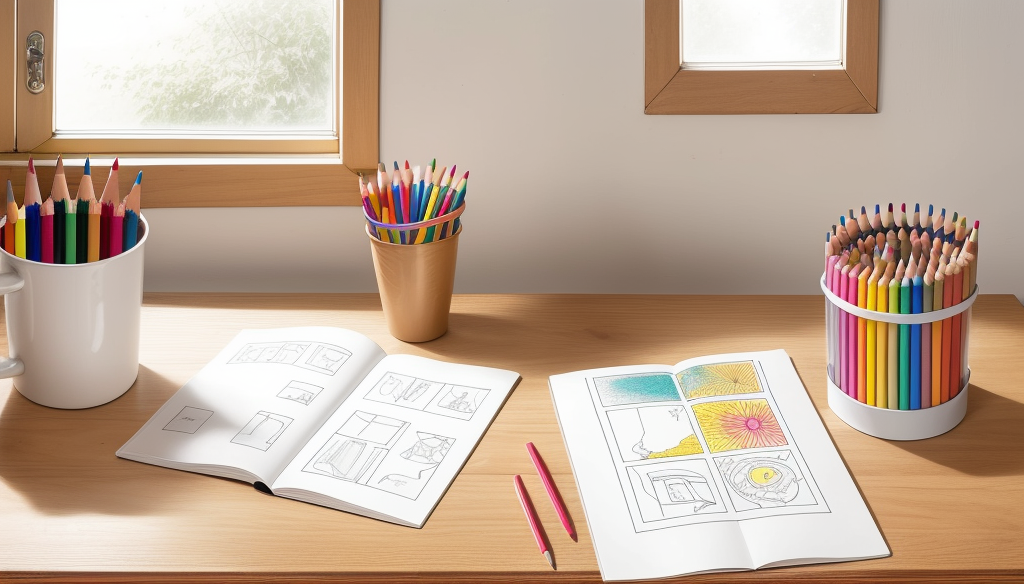
The biggest beginner mistake is buying five coloring books before you’ve finished a single page. Don’t do it. Pick one book that looks appealing and commit to coloring at least three pages in it before buying another.
How to choose your first book:
Look at the designs. Do you prefer:
– Nature scenes (flowers, gardens, forests) → Secret Garden by Johanna Basford — The classic. Detailed but forgiving. The OG of adult coloring.
– Bold, graphic patterns (geometric, tropical) → Tropical World by Marotta — Big spaces, bright colors, zero pressure.
– Simple, quick pages (when you want instant results) → The Mindfulness Coloring Book by Farrarons — Small, simple, finish a page in 15 minutes.
Still not sure? Our mood-based guide matches books to how you’re feeling, not just your skill level.
Step 2: Get Some Pencils (Not 200 of Them)
You need colored pencils. Not markers (they bleed). Not crayons (they’re waxy and imprecise). Colored pencils are the best starting medium for adult coloring because they’re forgiving, blendable, and don’t destroy your book’s pages.
The only three options that matter for beginners:
Best overall: Prismacolor Premier 72-Color Set — Soft, blendable, vibrant. The standard for adult coloring. If you can afford these, get them.
Best budget: Arteza Professional 72-Color Set — Solid quality at half the price of Prismacolors. Good pigment, decent blendability, great for beginners who aren’t sure they’ll stick with it.
Cheapest possible: Crayola 50-Count — Yes, really. They’re not as smooth or blendable as premium pencils, but they’re perfectly fine for your first 10 pages while you figure out if you actually enjoy coloring.
For a deeper comparison, check out our guide to the best colored pencils under $50.
Step 3: Get a Sharpener (Seriously, This Matters)
A bad sharpener will break your pencil tips, waste your cores, and make you think the pencils are the problem when they’re not.
Get the Kum Automatic Long Point Sharpener. It’s under $10, it sharpens to a long fine point that lasts, and it works with every pencil brand. This is not optional — it’s the single best $10 upgrade you can make.
Step 4: Start Coloring (Yes, Right Now)
You have a book and pencils. Don’t overthink this. Here’s your first session:
- Open to a page that looks interesting
- Pick 4-5 colors that look good together (don’t think about it too long)
- Color for 15 minutes
- Stop whenever you want
That’s it. No rules. No “right” way to color. No technique to master on day one. Just put pencil to paper and see what happens.
Common beginner fears — and why they’re wrong:
- “I’ll ruin the page.” — You won’t. And even if you pick a color you don’t love, it’s just one page. There are 40+ more in the book.
- “I don’t know which colors to use.” — Pick a color scheme: warm (reds/oranges/yellows), cool (blues/greens/purples), or nature (greens/browns/sky blue). Done.
- “My coloring won’t look like the pictures online.” — Those people have been coloring for years. You’re on page one. Comparison is the thief of joy and all that.
Step 5: Learn One Technique (Just One)
Don’t try to learn everything at once. After you’ve done 3-5 pages and feel comfortable, pick one technique to practice:
Start with layering. It’s the foundation of everything else. Put down a light layer of one color, then add a second color on top. The colors mix optically — blue over yellow makes green, red over yellow makes orange. This single technique opens up 90% of what you’ll ever n#eed
Our blending and shading guide covers layering and more, but don’t read it all at once. Learn layering first. Come back for the rest when you’re ready.
The Starter Kit (Under 35 Dollars)
If you want to keep it simple, here’s everything you need to start coloring today:
- One coloring book: Secret Garden by Johanna Basford — $12
- One pencil set: Arteza Professional 72-Color — $22
- One sharpener: Kum Automatic Long Point — $8
Total: under $42. That’s less than a movie and dinner, and it’ll give you hours of enjoyment.
Want even cheaper? Swap the Arteza set for Crayola 50-Count and the total drops to under $25. Here’s our full budget guide if you want more options.
How Often Should You Color?
Whenever you want. There’s no schedule, no streak to maintain, no minimum.
If you’re coloring for relaxation: 15-20 minutes, a few times a week. That’s enough to lower your cortisol and shift your nervous system into a calmer state. More on coloring for anxiety here.
If you’re coloring for fun: Whenever the mood strikes. Some people color daily. Some pick it up once a month. Both are fine.
If you’re coloring for mindfulness: Our mindfulness coloring guide has a structured 7-day practice. But even just 5 minutes of focused coloring counts.
The point is: coloring is a hobby, not an obligation. The moment it feels like homework, you’re doing it wrong.
What About Markers, Gel Pens, and Other Supplies?
Eventually you might want to expand. Markers vs pencils is the most common question — and the answer is pencils first, markers later.
But honestly? Don’t worry about it yet. Get comfortable with pencils first. After 10-15 pages, you’ll know whether you want to try something different. The hobby will tell you what it needs.
Final Thoughts
Starting a coloring hobby is simple: one book, one set of pencils, one sharpener. That’s it. Everything else — technique, supplies, style — comes later, and only if you want it to.
The hardest part isn’t the supplies or the technique. It’s giving yourself permission to start something new without being good at it immediately. Coloring doesn’t require skill. It just requires showing up.
So go pick a page, pick a few colors, and start. The rest will figure itself out.